

The integration of biometric authentication and third-party identity verification allows users to secure their digital wealth without sacrificing personal privacy. As Paraguay evolves into a prominent destination for international remote workers and technology entrepreneurs, the demand for sophisticated financial infrastructure has reached a critical tipping point in the local market. Peanut has officially entered this landscape by launching a non-custodial digital wallet that allows individuals to bridge the gap between global liquidity and local necessities. By prioritizing a user-friendly interface that masks the underlying complexity of blockchain protocols, the platform provides a solution for those who require immediate access to their funds without navigating the hurdles of traditional banking systems. This deployment represents a shift toward the normalization of digital assets in daily life, ensuring that decentralized finance becomes a practical tool for commerce rather than a speculative instrument reserved for a few experts.
Bridging Blockchain: Daily Commerce and Stealth Conversion
The primary appeal of this new financial tool lies in its ability to offer total sovereignty over assets while maintaining the ease of use typically associated with modern mobile banking applications. Unlike traditional custodial services where a central authority holds control over funds, this platform ensures that users retain their private keys, thereby protecting them from institutional insolvency or arbitrary account freezes. Individuals can easily fund their digital wallets using various supported cryptocurrencies or stablecoins, specifically the digital dollar, which provides a stable hedge against local currency fluctuations. This architecture empowers users to maintain a global balance that is decoupled from any single national economy, yet remains fully accessible for immediate spending needs. Such a design reflects a growing preference among the mobile workforce for financial tools that offer both high-level security and the flexibility to move between different asset classes without friction.
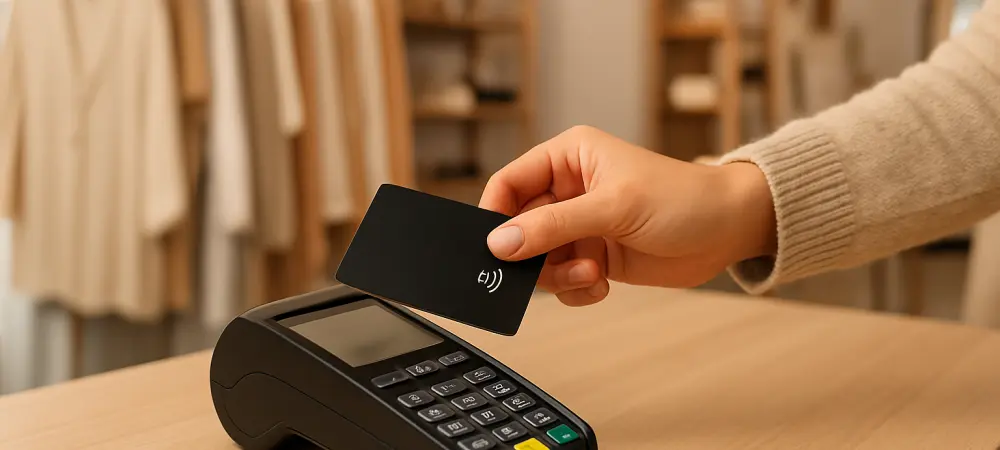
To facilitate a seamless transition from digital assets to local currency, the platform utilizes an innovative abstraction layer during the point-of-sale process. When a user initiates a payment for goods or services, such as a meal at a restaurant or a purchase at a grocery store, the system automatically converts the digital dollar balance into Paraguayan guaraníes in real time. This conversion occurs instantly and remains entirely transparent to the merchant, who receives payment through standard credit and debit card networks. By leveraging existing payment rails, the application removes the common friction associated with cryptocurrency adoption, as business owners do not need to install specialized hardware or understand blockchain mechanics to accept these payments. This stealth integration allows users to effectively spend their digital wealth in any establishment that accepts traditional card payments, making it an incredibly versatile tool for daily life in the heart of South America.
Market Entry: Targeting Nomads and Regional Interoperability
The strategic positioning of this digital wallet focuses on the specific needs of expatriates and international professionals who have relocated to Paraguay. These individuals often face significant challenges when attempting to open local bank accounts or transfer large sums across borders using traditional wire services, which can be both time-consuming and expensive. Practical evidence of the platform’s utility emerged during initial pilot testing phases, where it demonstrated remarkable efficiency in cross-border financial maneuvers. For instance, users from neighboring countries like Brazil were able to utilize the regional Pix payment system to transfer funds into the wallet, convert those assets into digital dollars, and subsequently spend them at Paraguayan retailers within a matter of minutes. This level of interoperability is essential for a region where economic activities are deeply interconnected yet often hindered by legacy banking systems, providing a lifeline to those with international ties.
Transparency serves as a foundational pillar for the platform’s entry into the competitive Latin American fintech market, with a fee structure designed to be straightforward and predictable. Unlike many traditional financial institutions that obscure their costs through hidden service fees or unfavorable exchange rates, this model generates revenue through a simple one-percent surcharge on top of the standard Visa exchange rate during transactions. There are no maintenance fees for holding assets in the digital wallet, and internal transfers between users remain free of charge, which encourages frequent use within the ecosystem. By aligning its profitability with the actual volume of spending, the company creates a sustainable business model that incentivizes providing a reliable and low-friction experience for its users. This clear approach to pricing helps build trust with a demographic that is increasingly skeptical of traditional banking practices and seeks more equitable ways to manage their international finances.
Pricing and Security: Safeguarding the Regional Expansion
The technical architecture of the wallet prioritizes long-term security and user autonomy through its non-custodial design, which is a significant departure from centralized exchanges. To meet Know Your Customer requirements without compromising the security of sensitive user data, the company utilizes a specialized third-party processor to handle all personal identification documents. This means that the core service provider never actually stores or even views the biometric data or legal identification papers of its customers, significantly reducing the risk of data breaches or identity theft. This separation of duties ensures that users can participate in the formal financial system while maintaining a high degree of anonymity regarding their personal details. Such privacy-focused measures are increasingly important to users who are conscious of their digital footprint.
The successful deployment of this platform in the Paraguayan market established a clear precedent for how decentralized finance could be integrated into traditional retail environments. By focusing on the immediate needs of a mobile, international workforce, the developers demonstrated that financial sovereignty does not have to come at the expense of convenience or accessibility. The launch served as a strategic starting point for a planned expansion across Latin America, reflecting a broader payment revolution in the region. Moving forward, those who wish to capitalize on this digital transformation should prioritize the diversification of their holdings into stable digital assets while ensuring they utilize non-custodial tools that offer full control over their private keys. It was essential for users to recognize that the ability to bridge local spending with global liquidity represented the next major milestone in finance management. Strategic adoption of these tools allowed individuals to navigate the complexities of international relocation with newfound confidence.