

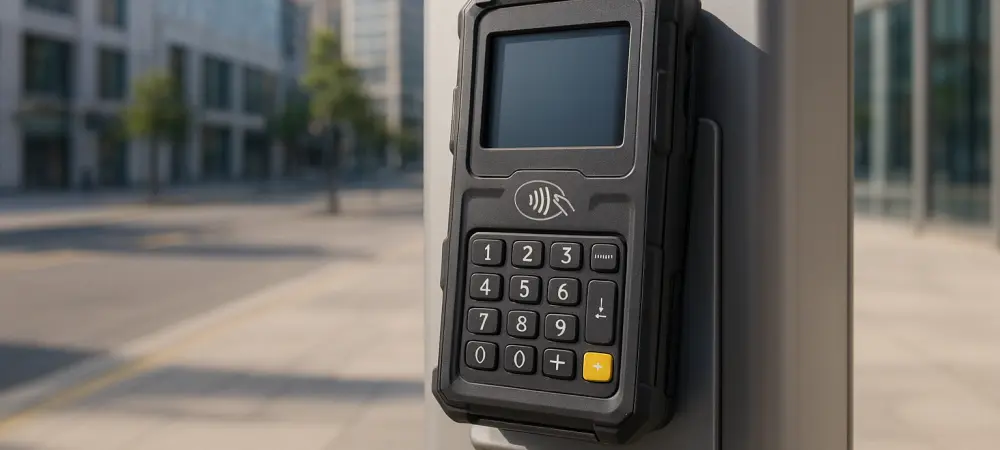
For operators of legacy equipment, the ability to accept physical credit cards and digital wallets without replacing entire machines is a vital strategy for capital asset preservation. The recent introduction of the SECO KarL4 terminal into the United States market represents a significant pivot for the Edge AI specialist as it seeks to capture a larger share of the North American self-service sector. While European markets have long embraced contactless systems, the American landscape presents unique challenges, ranging from vast geographical distribution to a diverse array of legacy vending and transit hardware. This launch is not merely a product release but a comprehensive infrastructure update that allows businesses to bridge the gap between traditional mechanical operations and the demands of a modern, cashless society. By integrating advanced connectivity directly into the payment terminal, SECO enables operators to provide the convenience of mobile wallets and tap-to-pay functionality in environments previously restricted to coin or cash transactions.
Scaling Contactless Infrastructure in the United States
Technical Versatility for Rugged Environments
The KarL4 terminal is specifically engineered for the rigors of unattended retail, where hardware must operate autonomously without constant human intervention or maintenance. Its design philosophy emphasizes a compact footprint that allows for seamless integration into existing kiosks, vending machines, and parking meters. One of the most critical features of this device is its built-in cellular modem, which eliminates the need for complex hardwired internet connections in remote or outdoor locations. This standalone connectivity ensures that payment processing remains reliable even in environments where local network infrastructure is absent or unreliable. Furthermore, the energy-efficient architecture of the KarL4 makes it an ideal candidate for battery-powered or solar-powered installations, expanding the possibilities for digital commerce in parks, beaches, and transit hubs. By providing a ruggedized solution that resists environmental stressors, SECO ensures that the hardware maintains high uptime in diverse climates.
Navigating American Compliance Standards
Navigating the complex regulatory landscape of the United States required SECO to obtain a suite of certifications to ensure the KarL4 meets the highest security and interoperability standards. This process involved securing FCC certification to guarantee that the device’s wireless communication conforms to American telecommunications laws, alongside rigorous testing for payment protocol compliance. The terminal has been fully optimized to work with major North American financial networks, including Visa, Mastercard, and Discover, ensuring that domestic consumers can use their preferred payment methods without friction. By adhering to the latest EMV standards, the KarL4 provides robust protection against fraud, which is a paramount concern for operators managing high volumes of small-ticket transactions in public spaces. This commitment to security and regulatory alignment allows for immediate deployment across various commercial sectors, providing a turnkey solution for businesses looking to upgrade their service offerings.
Bridging Mechanical Heritage and Digital Connectivity
Retrofitting Iconic Mechanical Assets
The most striking example of SECO’s retrofitting strategy in action is its partnership with The Tower Optical Company, an organization that has maintained iconic binocular viewers at major tourist destinations since the early 20th century. These heavy-duty mechanical devices, which have traditionally relied on coin-operated mechanisms, are being transformed through the integration of KarL4 technology. This transition allows visitors to pay for a viewing session with a simple tap of a smartphone or a contactless credit card, removing the barrier of needing exact change. For the operator, this modernization effort preserves the aesthetic and structural integrity of the historical hardware while significantly reducing the logistical burden of manual coin collection and maintenance. This project serves as a compelling case study for how legacy assets can be revitalized for the digital age, proving that even century-old equipment can benefit from the efficiency of the modern IoT ecosystem without losing its character.
Leveraging Data via Edge AI Ecosystems
Beyond the immediate benefit of transaction processing, the KarL4 serves as a critical node in a larger Edge AI ecosystem that provides operators with unprecedented visibility into their remote assets. By capturing transaction data and equipment health metrics at the point of operation, the terminal transforms a simple mechanical device into a connected “smart” asset that can be monitored from a centralized dashboard. This real-time data flow allows business owners to optimize their maintenance schedules, predict demand patterns, and manage inventory more effectively across multiple locations. Instead of relying on periodic physical inspections, managers can now receive automated alerts if a machine requires attention, thereby maximizing the return on investment for their distributed hardware. This move toward data-driven management is a fundamental shift in the self-service industry, as it allows even small operators to leverage the power of advanced analytics to improve the customer experience and drive operational efficiency.
Strategic Directions for Automated Commerce
The successful deployment of the KarL4 in the American market demonstrated that the integration of digital payment solutions into legacy hardware was a necessary evolution for the self-service industry. Operators who recognized the value of retrofitting rather than replacing their capital assets found themselves better positioned to meet the shifting expectations of modern consumers. The partnership with historic brands like Tower Optical established a clear roadmap for how traditional businesses could adopt Edge AI and IoT connectivity to streamline their operations. Moving forward, stakeholders in the automated retail space were encouraged to prioritize hardware that offered both high security and flexible connectivity to ensure long-term viability. By focusing on data-rich ecosystems, these organizations were able to transition from reactive maintenance models to proactive, insight-based strategies. The expansion of contactless technology ultimately fostered a more inclusive and efficient marketplace, proving that the most successful digital transformations were those that respected the value of existing infrastructure.