

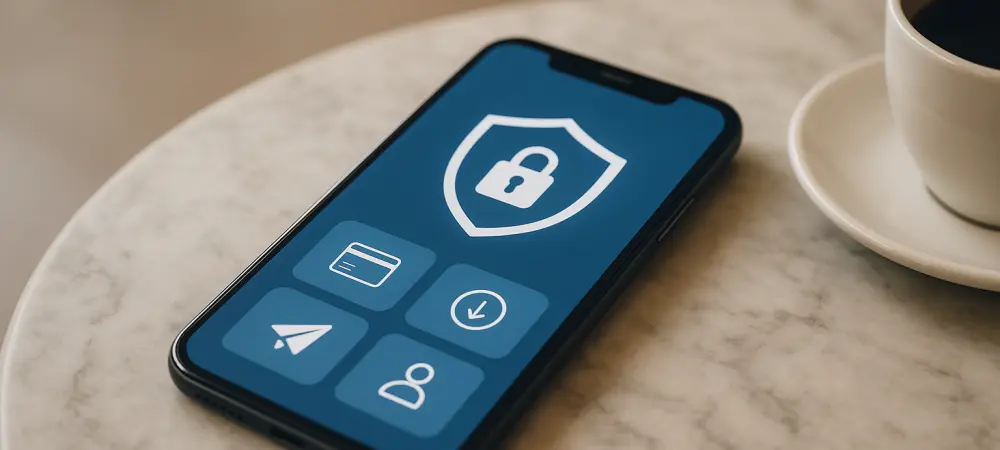
The seamless convergence of traditional banking and decentralized finance has finally reached a tipping point where the average consumer no longer needs to understand the underlying blockchain to benefit from its speed. By embedding USDC stablecoin transfers directly into Samsung Wallet, the company is effectively masking the complexities of digital assets behind a familiar interface. This integration allows users to treat stablecoins like any other currency, bypassing the intimidating hurdles of seed phrases and private keys.
Evolution of Mobile Digital Asset Integration
The journey toward this integration reflects a broader shift from niche experimentation to mainstream utility. Historically, mobile wallets were merely digital containers for credit cards and boarding passes, but the landscape changed as blockchain technology matured. Samsung recognized that for stablecoins to succeed, they had to be decoupled from the speculative volatility typically associated with crypto markets.
By focusing on USDC, a dollar-pegged asset, Samsung has positioned its ecosystem as a viable alternative for daily financial tasks. This move signals that established hardware manufacturers are no longer content being passive observers; instead, they are becoming active financial intermediaries, leveraging their existing security hardware to provide a safe harbor for digital transactions.
Technical Architecture and User Experience
Seamless Cross-Border Remittance Protocol
The core of this technology lies in its ability to simplify the remittance process by utilizing the Samsung Pay ecosystem as a transit layer. Users can send USDC across borders with the same ease as a domestic peer-to-peer payment, avoiding the typical multi-day delays of the SWIFT network. The protocol manages the conversion and transfer in the background, ensuring that the sender interacts only with a polished interface.
Native Wallet Infrastructure and Global Reach
The scale of this deployment is unprecedented, reaching approximately 82 million users across more than 60 countries. By utilizing near-instant transfer capabilities, Samsung has eliminated the friction inherent in traditional money-order services. The native infrastructure ensures that the digital assets are secured by the device’s hardware-level encryption, providing a level of trust that third-party software applications often struggle to match.
Current Trends in Stablecoin Adoption
The current trend in the digital asset space has moved decisively away from speculative trading toward practical, real-world utility. Large tech entities are increasingly acting as the primary entry points for financial services, often outperforming traditional banks in terms of user experience and accessibility. USDC has emerged as the preferred medium for this transition due to its transparency and regulatory alignment, making it the logical choice for a global hardware leader.
Real-World Financial Applications
Expatriates and global citizens are the primary beneficiaries of this advancement, utilizing the platform to send funds to family members without losing a significant percentage to intermediaries. For instance, a user in the United States can send funds that a recipient in a different country can receive in their local currency. This functionality is further enhanced by the integration of “buy now, pay later” features, which allow users to manage their cash flow while holding digital assets.
Adoption Hurdles and Regulatory Considerations
Despite the technical prowess, challenges remain regarding the unpredictability of external exchange rates and the fees charged by local recipient wallets. Each jurisdiction presents a unique set of regulatory requirements that Samsung must navigate to ensure continued compliance. To address these limitations, the company has focused on building institutional partnerships that aim to provide more transparent fee structures and more reliable off-ramps into local banking systems.
The Future of Mobile Financial Ecosystems
The trajectory of this technology points toward a future where the distinction between a phone and a bank account disappears entirely. We are likely to see the launch of dedicated credit cards linked to digital assets and deeper integration with decentralized finance protocols for earning interest. These developments will likely continue to disrupt traditional wire transfer services, forcing legacy institutions to modernize their infrastructure or risk obsolescence.
Final Assessment of Samsung’s Digital Strategy
The integration of USDC successfully removed the most daunting barriers to digital asset entry for the average consumer. Samsung’s approach prioritized user experience over technical jargon, which redefined the standard for mobile payments in a digital-first economy. The strategy demonstrated that hardware-backed security and simplified interfaces were the keys to unlocking the true potential of blockchain. This move ultimately signaled a shift where digital wallets became the primary hub for global wealth management.