

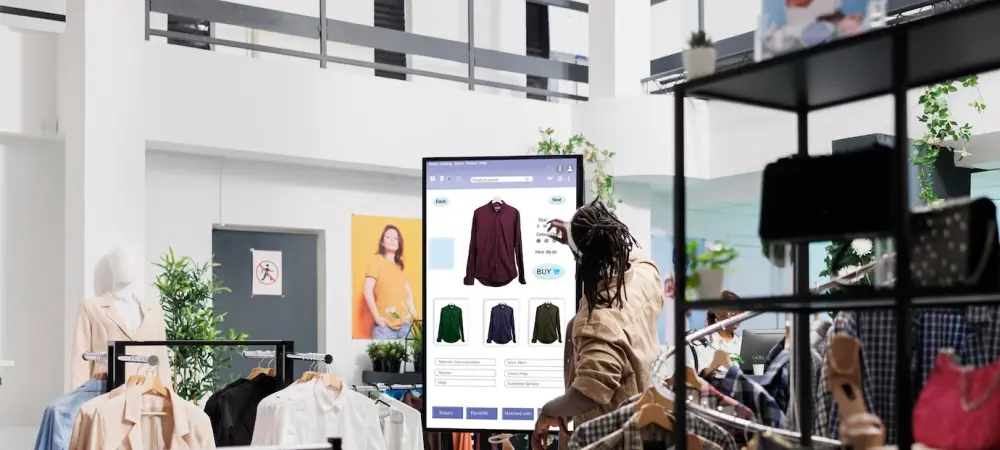
In today’s rapidly evolving retail landscape, the integration of artificial intelligence (AI) has emerged as a transformative trend that is reshaping customer experiences and operational efficiencies. This technological advancement is not merely a fleeting fad; it represents a fundamental shift in how retailers engage with consumers, manage their supply chains, and personalize offerings. As economic pressures drive consumers to seek more value for their money, AI tools are enhancing retailers’ ability to meet these demands and thrive amidst change. This article delves into the current state of AI in retail, insights from experts, and potential future implications, offering a comprehensive perspective on an industry poised for transformation.
Current AI Integration in Retail
Adoption and Growth Trends
AI integration in retail is witnessing significant adoption and growth, with retailers increasingly leveraging AI-driven tools to enhance their competitive edge. Recent statistics underscore this trend, revealing a notable increase in AI implementation across various retail operations—from inventory management to customer service. Reports indicate that more than half of consumers are now utilizing AI platforms to assist their purchasing decisions, marking a substantial shift from traditional methods. This growth is fueled by the augmented ability of AI to analyze consumer behavior, optimize pricing models, and predict demand patterns, thereby offering retailers actionable insights and strategies to navigate a dynamic market environment.
Real-world Applications and Innovations
In practical applications, AI is revolutionizing retail by offering innovative solutions that enhance both consumer engagement and operational efficiency. Notable examples include AI-enabled recommendation systems that provide personalized product suggestions based on consumer preferences and shopping history. Listrak’s AI Product Recommendations exemplify this innovation, providing a tailored shopping experience that fosters brand loyalty and boosts sales. Additionally, companies are utilizing AI-powered chatbots to improve customer service, guiding shoppers through their purchasing journey with precision and speed. These applications showcase AI’s potential to redefine retail processes and create value across multiple touchpoints in the consumer journey.
Expert Perspectives on AI Trends
Industry experts concur that AI is becoming an indispensable component of retail strategy, highlighting its ability to offer nuanced insights into consumer trends and assist in better decision-making processes. Professionals emphasize the adaptive nature of AI, which allows retailers to stay ahead of market shifts and redefine strategies amidst challenges such as supply chain disruptions. The opinions expressed by thought leaders call attention to the need for retailers to enhance their preparedness and adaptability in a rapidly changing environment. Insights from experienced professionals reinforce the pivotal role of AI in addressing these demands, underscoring its potential to drive sustained growth and innovation within retail.
Future Prospects and Implications
As AI technologies continue to evolve, the future of retail promises even greater integration and impact. Predictive analytics, powered by AI, offer the potential to refine inventory management further, aligning stock thresholds with real-time demand insights. Retailers may encounter challenges, such as navigating ethical considerations in data usage, but the benefits—such as enhanced personalization, streamlined operations, and improved customer satisfaction—are poised to outweigh these hurdles. Broader implications extend across industries, influencing how businesses approach decision-making and consumer engagement. The trend of AI in retail holds exciting prospects for future developments, as technology continually advances to meet and anticipate consumer needs.
Reflecting on the Trend
In retrospect, the integration of AI in retail has proven to be a game changer, offering innovative solutions that redefine consumer interactions and operational workflows. Retailers who have embraced AI have managed to harness its potential to navigate challenges and capitalize on emerging opportunities. As retailers continue to adapt to economic and technological changes, the strategic application of AI remains key to achieving competitive success and delivering enhanced consumer experiences. The trend’s progression demonstrates AI’s powerful role in shaping the future of retail, prompting retailers to strategically adopt AI technologies to remain resilient in a transformative market landscape.