

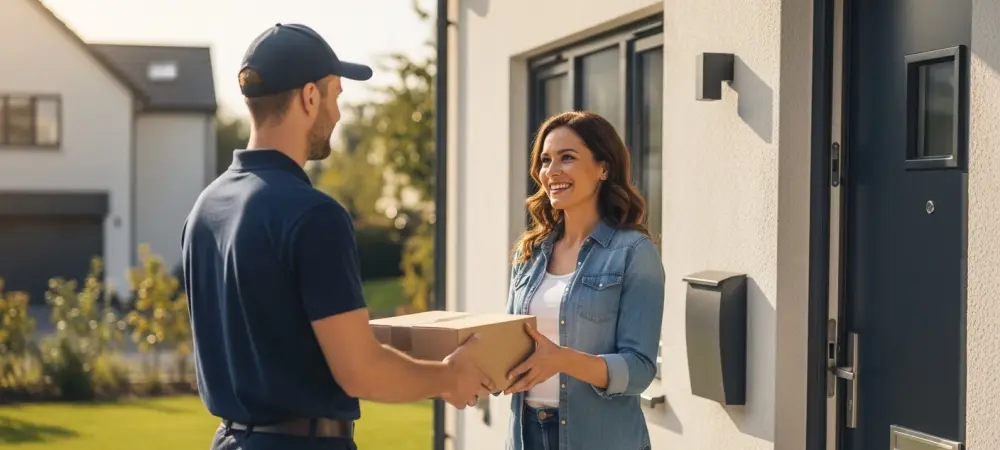
The final moments of a customer’s online shopping journey, once defined by the triumphant click of a ‘buy’ button, are now fraught with anxiety over the precarious journey from the warehouse to the doorstep. This research summary explores a critical and accelerating shift in consumer psychology, where the security of a physical delivery has begun to eclipse the convenience of a digital transaction. The study investigates the emergence of a “delivery trust gap,” a new and formidable challenge that is quietly reshaping the landscape of brand loyalty and customer experience.
The Delivery Trust Gap Why the Front Porch is the New Battleground for Customer Loyalty
A fundamental change in consumer priorities lies at the heart of the modern e-commerce challenge. For years, retailers perfected the online checkout process, focusing on speed, simplicity, and digital security to win sales. However, this research indicates that the primary source of consumer concern has migrated from the digital cart to the physical front porch. The last mile of delivery is no longer a simple logistical step but an emotionally charged experience where brand promises are either fulfilled or broken.
This evolving dynamic has created what is best described as the “delivery trust gap.” Fueled by a pervasive and growing anxiety over package theft, this gap represents the space between a brand’s promise of delivery and a customer’s confidence in receiving their order safely. How a company navigates this gap has become a critical determinant of its ability to retain customers. The security of the final fifty feet of the supply chain is now a key battleground where loyalty is either won or lost with every package left unattended.
The Alarming Rise of Porch Piracy and Its Impact on Consumer Behavior
The backdrop for this shift is the staggering scale of package theft, which has escalated into a significant societal and economic issue. With an estimated 58 million packages stolen in 2024 alone, porch piracy now constitutes a $12 billion problem that directly impacts both businesses and consumers. This is more than a financial drain; it is a powerful driver of consumer anxiety, eroding feelings of safety and creating a persistent worry that undermines the convenience of online shopping.
Consequently, this widespread fear has fundamentally reordered shopper priorities. The research demonstrates that the guarantee of a secure delivery can now outweigh traditional purchasing motivators such as low prices or fast shipping. This is not a theoretical concern but one with tangible consequences for retailers, directly leading to lost sales and increased cart abandonment. When a customer does not trust a brand to get a product into their hands securely, the initial appeal of the product itself becomes irrelevant, and the sale is often lost before it can be completed.
Research Methodology Findings and Implications
Methodology
To understand the multifaceted nature of this issue, the study’s methodology centered on an analysis of recent survey data. This approach involved a dual-sided investigation, collecting and examining responses from both a broad base of consumers and a diverse group of e-commerce merchants. The objective was to capture a holistic view of the prevailing attitudes, behaviors, and strategies related to shipping security and its intersection with the overall customer experience.
Findings
The research uncovered a significant disconnect between the protective measures merchants have in place and what customers actually know about them. While a vast majority of merchants (93%) reported using shipping insurance as a primary tool to build trust and mitigate loss, a critical “awareness gap” exists on the consumer side. A substantial 40% of consumers were entirely unaware that these protections were available to them, representing a major missed opportunity for brands to communicate their commitment to a secure delivery.
Furthermore, the findings shed light on the immense operational and financial strain that delivery issues place on merchants. The data revealed that many businesses employ large teams dedicated solely to claims management, with a significant portion allocating three or more full-time staff members to this task. In response to this inefficiency, a technological shift is underway, as 76% of merchants have now begun adopting artificial intelligence and automation to streamline claims processing and improve operational workflows.
Implications
These findings strongly imply that merchants must evolve their strategies from reactive problem-solving to proactive trust-building. Simply having shipping protection is no longer sufficient; the modern retail environment demands a more forward-thinking approach. The focus must shift toward preventing the customer anxiety that leads to hesitation and cart abandonment in the first place, rather than just managing the fallout after a package goes missing. The key implication of this research is that the communication of security measures is as important as their implementation. Transparently marketing the availability of services like shipping insurance can serve as a powerful tool to solidify customer confidence at the point of purchase. By making these protections a visible part of the value proposition, brands can directly address consumer fears, differentiate themselves from competitors, and ultimately turn a potential liability into a driver of loyalty.
Reflection and Future Directions
Reflection
A central reflection from this study is the surprising depth of the disconnect between merchant investment in shipping protection and consumer awareness of it. This gap highlights a systemic failure in marketing and communication strategies across the retail sector. Brands are spending significant resources on solutions that customers do not know exist, thereby neutralizing the potential for these investments to build the very trust they are designed to foster. Moreover, the research process revealed that the emotional impact of package theft on consumers is a far more powerful driver of purchasing behavior than many merchants currently recognize. The frustration, violation, and stress associated with a stolen package create a lasting negative impression that often outweighs any positive aspects of the shopping experience. This emotional dimension is a critical, yet often overlooked, factor in the calculus of brand loyalty.
Future Directions
Looking ahead, future research should focus on quantifying the long-term return on investment for brands that successfully market their shipping confidence strategies. It would be valuable to analyze whether proactive communication about delivery security leads to measurably higher customer lifetime value, reduced cart abandonment rates, and improved brand sentiment over time.
Additionally, further investigation is needed to determine the most effective methods for closing the consumer “awareness gap.” Comparative studies could explore the impact of different communication channels and messaging strategies—such as point-of-sale notifications, post-purchase emails, and dedicated landing pages—on consumer perception and purchasing decisions. Understanding what works best will provide merchants with an actionable roadmap for building trust.
Conclusion Securing the Package to Secure the Customer
In summary, the battle for brand loyalty had clearly moved from the digital storefront to the customer’s front porch. The phenomenon of porch piracy had evolved from a mere logistical nuisance into a direct and potent threat to the customer relationship itself. The anxiety and mistrust generated by insecure deliveries were shown to have the power to sever the connection between a brand and its audience, regardless of product quality or price. Ultimately, this research concluded that brands that proactively cultivated “shipping confidence” were best positioned for success. By integrating robust protection mechanisms and, crucially, communicating them with transparency, these companies did more than just protect their shipments. They demonstrated a commitment to their customers’ peace of mind, thereby securing their most valuable asset: a loyal and trusting customer.