

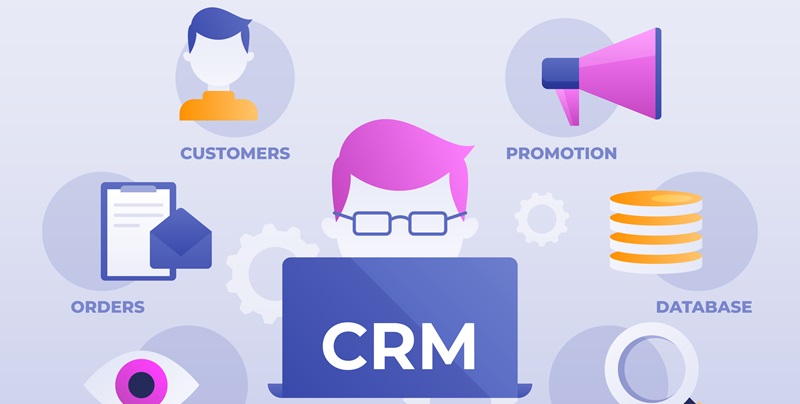
In today’s competitive market, customer loyalty is a priceless asset, making a robust Customer Relationship Management (CRM) strategy essential for businesses seeking to thrive. More than just overseeing sales and contacts, a CRM strategy is a comprehensive approach that influences customer satisfaction and loyalty, thereby driving business growth. For enduring success, companies must formulate a CRM plan that not only meets current customer needs but also establishes a foundation for ongoing prosperity. This strategy integrates technology, business processes, and customer insights to foster better relationships. By leveraging data and personalizing interactions, businesses can create tailored experiences for their customers, enhancing satisfaction and building long-term loyalty. Effective CRM strategies also involve team training, ensuring everyone understands the company’s approach to managing customer relationships.
Set Clear Objectives and Understand Your Audience
Before even selecting a CRM tool, it is crucial for a business to establish what it hopes to accomplish with its CRM strategy. These broad objectives could range from improving customer satisfaction metrics, streamlining sales processes, to forecasting revenue more accurately. Aligning the CRM strategy with the company’s overarching goals ensures that the tool will not exist in isolation but will enhance the broader business trajectory.
Once objectives are set, understanding your audience is the next critical step. Investing time in crafting detailed buyer personas is invaluable. These personas, based on real data and insights from your sales, marketing, and customer service teams, guide you in creating tailored interactions and offers. By knowing your audience, you can personalize your communications, predict customer needs, and, in turn, foster stronger relationships.
Select the Right CRM Tool and Utilize Data
Selecting the right CRM software is a deciding factor in the success of your strategy. The chosen CRM must align with your business objectives, integrate seamlessly with other tools in use, and support your customer journey mapping. As businesses continue to collect massive amounts of data, the ability of a CRM to analyze and make this data actionable is paramount. Cleansing data ensures the accuracy of customer profiles, which is the foundation of personalizing customer experiences.
Leveraging this data, businesses can create targeted marketing campaigns, anticipate customer needs, and provide exceptional support. The information stored within a CRM tool is a treasure trove that, when used wisely, can guide decision-making and strategy refinement. Regularly analyze customer interactions and sales trends to stay ahead of customer demands and to continuously improve your CRM initiative.
Measure Success and Adapt Continuously
To maximize CRM strategy efficacy, crucial Key Performance Indicators (KPIs) need to align with your goals. Metrics such as customer acquisition, satisfaction scores, and lifetime value are vital to gauge success and areas needing refinement.
The agility of your CRM approach is paramount. Stay abreast of market and consumer trends to tailor your tactics. Reevaluate your strategy routinely to cater to these dynamics, ensuring strong, evolving customer bonds and sustained business growth.
Ultimately, an effective CRM strategy is a blend of clear business objectives, intimate customer insight, strategic CRM software use, perpetual KPI monitoring, and the flexibility to adapt. This synergy fosters enhanced customer relationships, stands out from the competition, and underpins long-term success.