

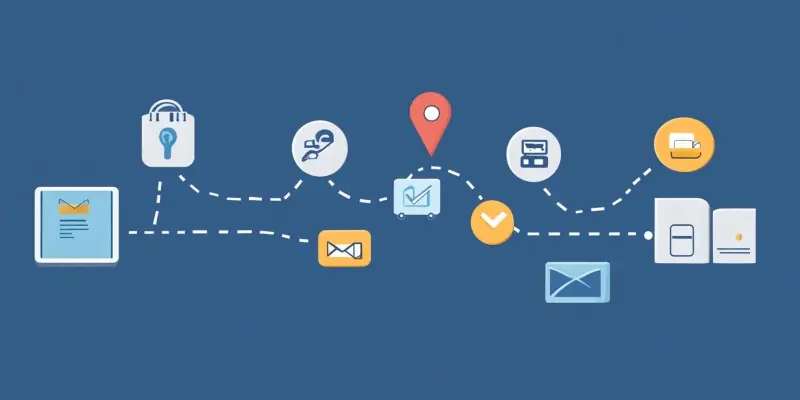
In today’s competitive business landscape, understanding your customer’s journey from initial awareness to long-term loyalty is crucial for small businesses aiming for sustainable growth. Creating a customer journey map is a powerful tool that can help you visualize this journey and uncover key insights to improve customer experience, increase sales, and strengthen customer relationships. This detailed guide will walk you through the steps necessary to develop a comprehensive customer journey map for your small business.
Define Your Goal
Before you can begin mapping out the customer journey, the first critical step is to clearly define your goal, as understanding your objectives is key to creating an effective map. Start by considering what you hope to achieve with this customer journey map. Your objective could be to improve customer satisfaction, increase sales, streamline customer service, or any other goal that aligns with your business strategy.
Knowing your end goal will help you focus on identifying the touchpoints and interactions that matter most to your business and your customers. For example, if your primary objective is to increase sales, you might focus on understanding the moments where customers decide to purchase or abandon their cart. On the other hand, if your goal is to enhance customer service, you might prioritize mapping out interactions that occur post-purchase, such as support requests and follow-up communications. Clearly defining your goal will guide the entire mapping process, ensuring that the insights you gather are relevant and actionable.
Create Customer Profiles
Once you have established a clear objective, the next step is to create detailed customer profiles, also known as buyer personas. A buyer persona is a fictional representation of your ideal customer, including demographics, behaviors, needs, and pain points. These profiles will help you understand the different types of customers you are trying to reach and the unique journeys they might take.
Start by gathering data from various sources such as customer surveys, social media analysis, and sales data to build a comprehensive picture of your target audience. Identify common characteristics and patterns among your customers, such as age, gender, interests, and shopping habits. Give each persona a name and a backstory to make them more relatable and easier to visualize.
For instance, if you run an online clothing store, you might have personas like “Sarah, the busy professional” who shops for work attire and “Jake, the fitness enthusiast” who is looking for activewear. By creating these personas, you can tailor your marketing and sales strategies to meet their specific needs and preferences. Understanding your customers at this level will ensure that your journey map accurately reflects their experiences and helps you identify opportunities for improvement.
Pinpoint Interaction Points
After developing your customer profiles, the next step is to pinpoint the various interaction points between your customers and your brand. These touchpoints are the moments when customers come into contact with your business, whether online, in-store, or through other channels. Identifying these touchpoints is crucial for mapping out the full customer journey and understanding where to make strategic improvements.
Think about all the ways customers might interact with your brand, from the first moment they become aware of your business to their post-purchase experiences. This could include viewing your advertisements, visiting your website, reading online reviews, engaging with your social media content, contacting customer support, and more. By listing all potential touchpoints, you can ensure that no part of the customer journey is overlooked.
Consider how each interaction point contributes to the overall customer experience. For example, a customer might find your brand through a social media ad, click through to your website, browse your product offerings, add items to their cart, and eventually make a purchase. Post-purchase interaction points could include order confirmation emails, delivery updates, and follow-up surveys. Understanding each of these touchpoints will help you create a more comprehensive and effective customer journey map.
Monitor Real-World Behavior
The next crucial step in creating a customer journey map is monitoring real-world behavior to gather data on how customers actually interact with your brand. This involves using analytics tools, customer feedback, and direct observation to track user behavior and identify any discrepancies between your expectations and reality.
Utilize web analytics platforms like Google Analytics to monitor online interactions, such as website visits, click-through rates, bounce rates, and conversion rates. Analyze customer feedback from surveys, reviews, and social media comments to understand their experiences and identify pain points. Additionally, consider using heatmaps and session recordings to visualize how customers navigate your website and where they encounter issues.
For instance, you might find that while a Facebook ad drives high traffic to your website, many visitors leave without making a purchase. This could indicate a problem with your landing page or checkout process. By closely monitoring real-world behavior, you can gather valuable insights into what is working well and what needs improvement, allowing you to refine your customer journey map based on actual data rather than assumptions.
Refine and Update the Map
In today’s fiercely competitive business environment, it’s essential for small businesses to understand their customer’s journey, from the first moment of awareness to ongoing loyalty. This understanding is vital for achieving sustainable growth. One effective way to gain this insight is by creating a customer journey map. This tool allows you to visualize the entire path your customers take, illuminating key moments and pain points along the way.
By mapping out these stages, you can gather critical insights to enhance customer experience, drive sales, and foster stronger relationships with your customers. A customer journey map helps you pinpoint exactly where improvements are needed and where your strengths lie. This detailed guide will provide you with step-by-step instructions on developing a thorough customer journey map tailored to your small business’s unique needs.
In this guide, we’ll explore the essential steps to build a successful customer journey map. We’ll begin with identifying the different stages of the customer journey, followed by collecting data to understand customer behavior. Then, we’ll outline how to analyze this data to find opportunities for improvement. Finally, we’ll discuss strategies for implementing the insights gained from your map to optimize your customer’s experience continually. With this comprehensive approach, your small business can not only meet but exceed customer expectations, driving long-term loyalty and sustained growth.