

Dominic Jainy joins us today to discuss the bold strategy behind Xiaomi’s latest release in the Indian market. As an expert in mobile technology and hardware architecture, Jainy offers a unique perspective on why a manufacturer would choose to prioritize raw endurance over traditional performance metrics. Today, we delve into the technical nuances of the Redmi Note 17 5G and what these design choices reveal about shifting consumer priorities in the mid-range segment.
The shift toward 8,000mAh silicon-carbon batteries marks a significant pivot in smartphone engineering—how does this change the daily user experience compared to previous power standards?
This transition represents a massive jump in endurance, offering a battery that is 45% larger than what we saw in the previous generation. By utilizing silicon-carbon technology, the engineers managed to cram 8,000mAh of capacity into a frame that is only 8.4mm thick. Users will feel the difference not just in multi-day longevity, but also in the utility of the 22.5W wired reverse charging that turns the phone into a power bank. Even with the 45W fast charging, the focus here is clearly on keeping the device away from the wall outlet for as long as possible.
While the battery is a powerhouse, there are notable downgrades in the chipset and camera; how do you justify the move to a Snapdragon 4 Gen 4 when the predecessor used a faster Snapdragon 6 Gen 3?
It is a controversial move to swap the Snapdragon 6 Gen 3 and its Adreno 710 GPU for the 4nm Snapdragon 4 Gen 4. This chipset is designed more for power efficiency than for raw gaming performance or high-end multitasking. The sacrifice is most visible in the multimedia suite, where we lose the 4K video recording and the 8MP ultra-wide lens found on the Note 15 5G. By leaning on a 50MP primary sensor and a basic 8MP front camera limited to 1080p at 30fps, the brand is signaling that this device is a tool for communication rather than professional content creation.
With a massive 6.9-inch AMOLED display but limited video capabilities, who is the intended audience for this specific hardware configuration?
The 6.9-inch AMOLED panel, featuring a resolution of 2,396 x 1,080 pixels and a smooth 120Hz refresh rate, makes this a dream for streaming video. When you pair that expansive screen with the 225g weight, you have a substantial device that feels like a portable media hub. It is tailored for users who spend hours on YouTube and value visual real estate over the ability to shoot high-resolution footage. The inclusion of dual speakers and an IR blaster further reinforces its identity as a versatile home entertainment companion.
Considering the Indian market’s competitive landscape, how do you view the removal of NFC and the pricing of the 8GB RAM variant at over 30,000 rupees?
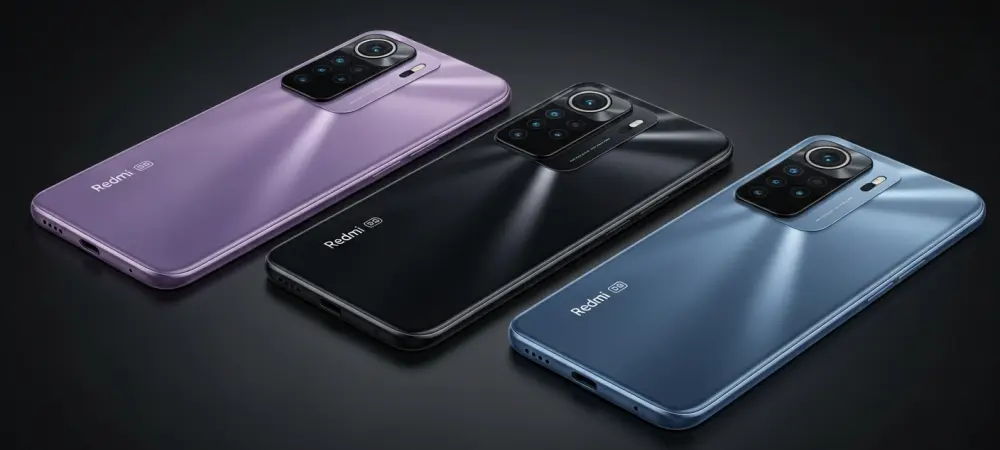
Launching the 8GB RAM and 128GB storage model at INR 30,999 puts it in a crowded price bracket where consumers often expect premium features. The Indian variant’s lack of NFC is a cost-cutting measure to keep the focus on 5G connectivity and the Starlight Purple, Dark Night, and Arctic Blue finishes. The 6GB base model starting at INR 27,999 is clearly positioned for those who prioritize the presence and battery life of the phone. It will be fascinating to see if the August 12, 2026, sales launch proves that shoppers are willing to trade camera versatility for a device that simply never dies.
What is your forecast for the Redmi Note series?
I expect the series to continue branching into specialized niches that prioritize single features like extreme battery life. Silicon-carbon technology will become the standard for the entire lineup, allowing capacities to stay high without increasing the 225g weight significantly. However, the brand will eventually need to find a way to bring back the ultra-wide lens and 4K capabilities to keep the brand well-rounded. For now, this release marks the beginning of a dedicated endurance-first era for affordable smartphones.