

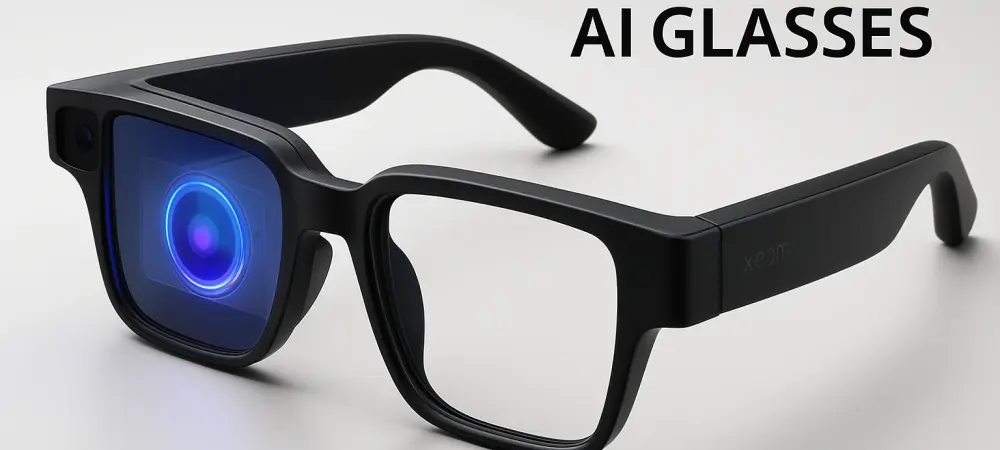
In the realm of modern technology, few innovations have captured the public’s imagination quite like artificial intelligence-enhanced wearables. At the forefront of this trend is Xiaomi’s AI Glasses, pushing boundaries with their blend of functionality and technology. These intelligent glasses have created a buzz with their ability to record 2K-quality video and include advanced interactive features. As society rapidly adopts new digital devices, the significance of this product cannot be overstated, representing a shift toward a more integrated, AI-driven lifestyle.
A Closer Look at Xiaomi AI Glasses
When diving into the specifics, the Xiaomi AI Glasses stand out with their impressive 12MP camera, which offers 2K video recording capabilities at 1440p and 30fps. This technology allows users to capture life’s moments with detail and clarity previously reserved for dedicated high-performance cameras. Operating with a voice-controlled, screen-less interface, these glasses offer a seamless user experience by allowing hands-free operation, thus enhancing convenience and flexibility.
Accompanying their visual prowess, these AI glasses are equipped with dual speakers and a sophisticated setup comprised of five microphones embedded with noise reduction technology. This ensures clear communication and rich audio experiences, whether the task is participating in a conversation or listening to media. Moreover, the glasses’ battery performance deserves attention, as the 263mAh unit provides up to eight hours of runtime, complemented by the convenience of USB-C charging, giving it an edge over some competitors in longevity and ease of use.
Advancements in Wearable Technology
Xiaomi’s AI Glasses are part of a broader wave of innovation sweeping through the wearable tech landscape. A pivotal component is the Qualcomm Snapdragon AR1 chipset, which functions as the device’s processing powerhouse, coupled with Xiaomi’s proprietary Vela OS. These wearables facilitate numerous real-world applications that were previously inconceivable. The potential uses of AI glasses span industries, with examples including live streaming events, hands-free personal recording, and offering augmented reality experiences in various fields, from healthcare to education. Their capacity to overlay digital information on the physical world introduces transformative opportunities, reshaping how users interact with their environment and digital information.
Overcoming Hurdles in AI Glass Adoption
Despite the promise, the path toward widespread adoption of AI glasses is not without its challenges. Privacy concerns remain a critical issue, with users and bystanders potentially wary of the continuous recording capabilities. These concerns necessitate stringent policies and technologically engineered safeguards to ensure user privacy and security. Additionally, the technical limitations inherent in current models, such as processing capacity and wearability comfort, require ongoing enhancement to align with user expectations.
Market dynamics and regulatory landscapes also play a significant role in determining the success of these devices. Regional regulatory standards can vary, impacting the ways in which these products are adopted globally. Solutions lie in proactive engagement with stakeholders to harmonize these devices with societal norms and legal frameworks, fostering an environment conducive to innovation.
Looking Ahead: The Future of AI Glasses
The trajectory for AI glasses technology points toward continued evolution and exciting breakthroughs. Future advancements are likely to focus on improving processing power, enhancing user comfort, and expanding application capabilities through software updates and sophisticated hardware integration. These strides presage a transformative impact on tech industries as boundaries between physical and digital domains become increasingly blurred.
Long-term, these developments promise to reshape consumer behavior across various sectors. The integration of AI glasses into everyday life holds the potential to redefine interactions with technology, augmenting human capabilities and enriching experiences.
Reflecting on the technological landscape, key insights emerge from evaluating Xiaomi’s AI Glasses. As a trailblazer in the field of AI wearables, Xiaomi has set a benchmark for functionality and innovation, presenting a device with practical applications and robust performance. While challenges persist, the expected advances promise an exciting era for wearable technology, transforming both user experiences and digital interactions.