

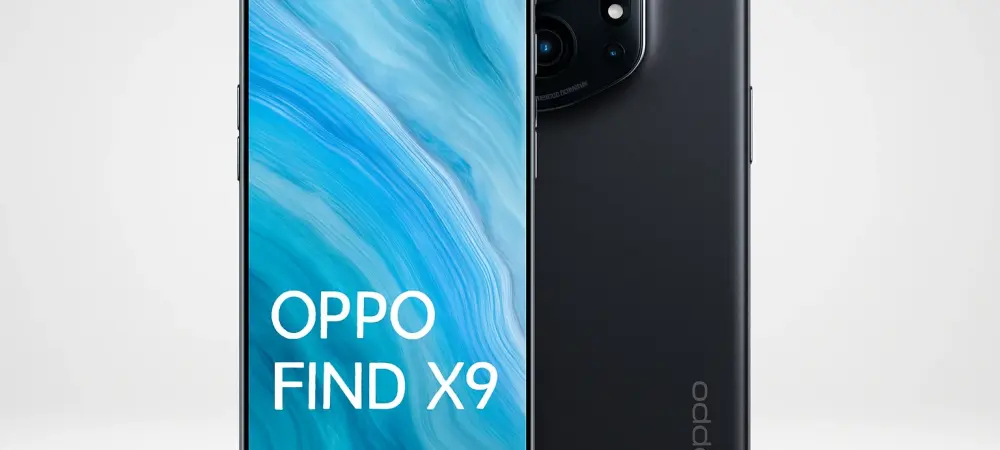
In a rapidly evolving smartphone industry, Oppo’s upcoming Find X9 series stands as a significant development, signaling potential shifts in market standards. As competition intensifies, the question looms whether the Oppo Find X9 will elevate innovation, challenging current technological norms and consumer expectations. This examination focuses on the potential impacts in the market and how this release might influence future industry directions.
Market Evolution and Historical Trajectories
Oppo, a prominent force in smartphone innovation, has built a reputation for pioneering technology and sophisticated design. The historical progression of Oppo’s Find X series reveals groundbreaking achievements that established new paradigms in smartphone design, such as bezel-less displays and high-caliber cameras. Understanding past successes provides essential context for evaluating how the Find X9 attempts to advance Oppo’s legacy, potentially renewing interest and capturing the attention of a competitive marketplace.
Unraveling Technological Advancements and Market Aspirations
Enhancing Mobile Photography with Advanced Camera Systems
Positioned as a standout feature of the Find X9, the next-generation 50 MP camera equipped with a 1/1.4-inch sensor represents a substantial advancement in smartphone photography. By promising superior image quality in challenging environments, these innovations aim to set new standards for mobile imaging. While some experts might question the tangible benefits over existing technologies, Oppo’s commitment to pushing the boundaries of user-focused camera enhancements is evident.
Evolving Security Through Ultrasonic Fingerprint Integration
Incorporating ultrasonic fingerprint technology, the Find X9 underscores a commitment to heightened security and user convenience. With biometric solutions gaining traction, Oppo strategically aligns with contemporary consumer security concerns. Despite potential obstacles in achieving seamless usability, this advancement sets a precedent in protective measures, emphasizing Oppo’s intention to redefine security standards within the smartphone sector.
Addressing Diverse Market Needs with Tailored Innovations
Recognizing the varied demands of global smartphone users, Oppo integrates features such as waterproofing and wireless charging into the Find X9. These adaptations highlight Oppo’s strategic agility in addressing regional preferences and distinctive infrastructures. By understanding and navigating these differences, Oppo aims to cultivate acceptance and success across diverse marketplaces, offering compelling insights into innovation perceptions globally.
Predicting Shifts and Opportunities Within the Industry
Oppo’s advancements in the Find X9 underscore a broader trend in the smartphone sector towards increased device sophistication and user-centric convenience. Emerging technologies, such as improved silicon batteries and enhanced wireless charging, suggest a future where functionality and longevity are seamlessly intertwined. As economic and regulatory dynamics evolve, companies like Oppo are likely to discover new opportunities, potentially positioning themselves as leaders in industry innovation.
Strategic Insights and Practical Implications
The potential of the Find X9 series provides actionable insights for stakeholders across the smartphone industry. Businesses might explore strategic partnerships or refine competitive approaches to leverage these technological advancements. For professionals, staying abreast of these trends may unlock new career opportunities within evolving sectors. Consumers stand to benefit from informed purchasing decisions, aligning with innovations that echo their needs and preferences.
Reflections on the Market’s Future Course
Reflecting on the anticipated impact of the Oppo Find X9, it is clear that the series could significantly influence the smartphone landscape. This series not only addresses current demands but also aims to shape future technological expectations. By engaging with these advancements, both individuals and businesses could navigate the complexities of a continually evolving technological environment more effectively.