

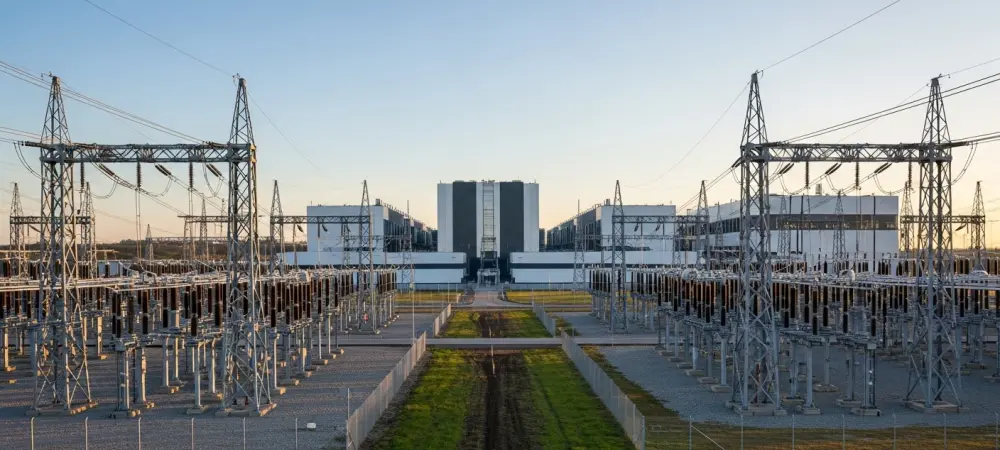
The relentless hum of massive cooling fans echoing through Wisconsin’s newly constructed server farms no longer signals a windfall of local tax revenue for neighboring communities. Instead, it serves as a reminder of the massive electrical appetite required to sustain the digital age. Wisconsin has just drawn a line in the sand that could reshape the national landscape for artificial intelligence and cloud computing. While states have historically competed to attract tech giants with tax breaks and cheap power, the Wisconsin Public Service Commission (PSC) has issued a landmark ruling that effectively tells hyperscale data centers: if you want the power, you must pay the full bill. This decision marks a fundamental shift from viewing data centers as coveted economic trophies to treating them as high-impact infrastructure challenges that must carry their own weight.
The End of the Energy Subsidy Era for Big Tech
The arrival of massive computing hubs was once seen as a guaranteed path toward modernization and regional prestige. However, the sheer scale of the energy demand associated with these projects has forced a reevaluation of their long-term value to the state. This new mandate signals the conclusion of an era where state governments were willing to offer significant energy subsidies to lure large corporations. In this new landscape, the priority has shifted toward ensuring that the state’s energy ecosystem remains balanced and that the expansion of the tech sector does not come at the expense of the average resident. Regulators have moved toward a philosophy of self-sufficiency, where the cost of doing business is no longer externalized to the public. By requiring 100% cost recovery, Wisconsin is positioning itself as a leader in a growing national movement that emphasizes fiscal accountability for large-load consumers. This shift does not necessarily mean the state is hostile to tech growth; rather, it suggests that such growth must be sustainable and equitable. The “trophy” mentality has been replaced by a pragmatic approach that values the integrity of the power grid above the promise of corporate prestige.
Balancing the AI Boom with Ratepayer Protection
The rapid expansion of data centers, fueled by the insatiable energy demands of generative AI, has put unprecedented strain on the American electrical grid. In Wisconsin, the arrival of these facilities sparked a critical debate over who should shoulder the bill for the massive substations, transmission lines, and power plants required to keep the servers humming. Without intervention, the multibillion-dollar cost of these upgrades often trickles down to residential families and small businesses through higher monthly utility bills. This regulatory movement matters because it sets a precedent for how states can embrace technological growth without forcing local communities to subsidize the operational costs of multinational corporations.
Moreover, the tension between economic development and consumer protection has reached a boiling point as the demand for power continues to skyrocket. Utility companies often face pressure to expand their capacity quickly, but without strict rules, the financial risk of these expansions falls on those least able to afford it. By implementing these protections, Wisconsin ensures that the benefits of the AI revolution are not outweighed by the financial burden placed on its citizens. This balance is crucial for maintaining public trust in utility regulators and ensuring that the transition to a more digital economy is fair for everyone.
Decoding the New Regulatory Framework for Large-Load Consumers
The Wisconsin PSC’s new tariff structure moves away from case-by-case negotiations in favor of a standardized, proactive system. This framework is built on several pillars designed to ensure the state’s energy ecosystem remains stable and fair. The most critical component of the mandate is the transition to a 100% cost recovery requirement. Regulators flatly rejected a proposal that would have allowed data centers to pay only 75% of the generation costs associated with their demand. By mandating full reimbursement, the state ensures that the capital-intensive process of building new power generation does not result in a cost shift to existing customers.
To prevent medium-sized facilities from slipping through the cracks, the PSC significantly lowered the eligibility threshold for these strict rules. The new tariff now applies to any project exceeding 100 MW, a sharp drop from the originally proposed 500 MW. This broader scope ensures that a wider range of data center developments are captured under the same fiscal accountability standards as the largest hyperscale campuses. This prevents developers from breaking up large projects into smaller pieces to avoid the 100% recovery rule, thereby creating a more level playing field for all industrial energy users.
One of the primary fears for utilities is the concept of a “stranded asset,” a scenario where a utility builds massive infrastructure for a company that later closes shop or moves. To counter this, the PSC now requires very large customers to sign 15-year contractual commitments. This long-term obligation provides a financial safety net, ensuring that the investments made in the grid are fully recovered over a stable, decade-plus timeframe. This requirement forces tech firms to view their data centers as permanent fixtures of the local infrastructure rather than transient operational hubs that can be abandoned when more favorable conditions arise elsewhere.
Expert Perspectives on Fiscal Accountability and Grid Transparency
The consensus among Wisconsin regulators centers on the idea of decoupling corporate infrastructure needs from public utility rates. PSC Chairperson Summer Strand and Commissioner Kristy Nieto have emphasized that while the state remains open for business, that business must be self-sustaining. Their perspective highlights a growing trend among state officials who are no longer willing to gamble with ratepayer funds to secure speculative economic gains. This focus on transparency ensures that the true cost of energy expansion is visible to all stakeholders, from corporate executives to the families paying their electric bills.
However, industry analysts like Rob Gramlich point out a lingering complexity: jurisdictional limits. While Wisconsin can control retail costs and local generation, regional transmission costs often fall under federal or regional authorities like the Midcontinent Independent System Operator (MISO). Despite this hurdle, experts agree that by securing 100% recovery on the generation side—the most expensive part of the equation—Wisconsin has created a substantial buffer for its citizens. This nuanced approach acknowledges the limitations of state power while maximizing the impact of available regulatory tools to protect the public interest.
A Strategy for Integrating Energy-Intensive Industries
For developers and utility providers, the Wisconsin ruling offers a clear, if more demanding, roadmap for future projects. Navigating this new environment requires a shift in strategy from seeking incentives to ensuring long-term financial viability. Developers must prioritize early transparency, providing utilities with clear, long-term load projections to avoid unexpected grid strain. Furthermore, companies looking to build in Wisconsin must factor the full cost of dedicated power generation and substations into their initial capital expenditure budgets, treating energy infrastructure as a core project cost rather than a utility-provided perk.
Looking toward the immediate future, stakeholders prioritized localized energy solutions, such as on-site microgrids and dedicated renewable arrays, to mitigate the impact of the 100% cost recovery mandate. State officials monitored the implementation of these tariffs to ensure that economic growth did not outpace grid reliability. By shifting the financial burden to the primary beneficiaries of the energy demand, Wisconsin established a sustainable model for the coexistence of heavy industry and public utilities. Developers who embraced these terms found more stable regulatory environments, while citizens benefited from stabilized energy rates. This approach provided a clear template for other states struggling with the rapid expansion of energy-intensive industries.