
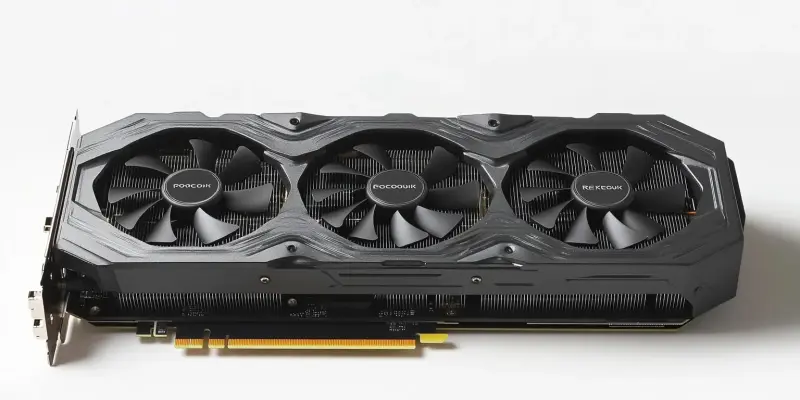
Will PowerColor’s New Reaper Series Redefine GPU Performance?

In an exciting development for tech enthusiasts and gamers, PowerColor is poised to introduce a new “Reaper” lineup alongside AMD’s upcoming Radeon RX 8000 “RDNA 4” GPUs. This news, though not yet officially confirmed by PowerColor, has been reported by Videocardz. As a major AMD board partner, PowerColor already boasts six GPU series: Liquid Devil, Red Devil, Hellhound, Fighter, Red Dragon, and PowerColor (Reference). PowerColor’s history of theming its GPUs with unique attributes, like advanced cooling systems and higher clock speeds, suggests that the new Reaper series will bring fresh innovations to the table.

The Reaper series is expected to be unveiled in tandem with the RDNA 4-based AMD Radeon RX 8000 GPUs. However, it remains uncertain whether this new branding will also extend to the current Radeon RX 7000 GPUs. PowerColor’s existing range includes both affordable options like the Fighter and Reference series, and premium options, such as the Liquid Devil and Red Devil series, known for their superior cooling solutions. The Reaper series is anticipated to fall into the premium category, given the advanced features and impressive capabilities of the RDNA 4 architecture.

The potential launch date for AMD’s RDNA 4 lineup, along with PowerColor’s Reaper series, is predicted to be at CES 2025. This event could serve as the perfect stage for PowerColor to showcase its latest innovations in GPU technology. The anticipation around this launch underscores the significance of the RDNA 4 architecture in redefining GPU performance and offering top-tier solutions for advanced users and gamers alike.

Overall, this development marks PowerColor’s ongoing expansion and diversification of its product portfolio. The company continues to emphasize high-performance, innovative GPU solutions designed to meet the evolving demands of the market. Whether the new Reaper series will redefine GPU performance remains to be seen, but its introduction certainly signals PowerColor’s commitment to pushing the boundaries of technology.

Explore more

Trend Analysis: Alternative Assets in Wealth Management

The traditional dominance of the sixty-forty portfolio is rapidly dissolving as high-net-worth investors pivot toward the sophisticated stability of private market ecosystems. This transition responds to modern volatility and geopolitical instability. This analysis evaluates market data, real-world applications, and the strategic foresight required to navigate this new financial paradigm. The Structural Shift Toward Private Markets Market Dynamics and Adoption Statistics

Trend Analysis: Embedded Finance Performance Metrics

While the initial excitement surrounding the integration of financial services into non-financial platforms has largely subsided, the industry is now waking up to a much more complex and demanding reality where simple growth figures no longer satisfy cautious stakeholders. Embedded finance has transitioned from a experimental novelty into a foundational layer of the global digital infrastructure. Today, brands that once

How to Transition From High Potential to High Performer

The quiet frustration of being labeled “high potential” while watching peers with perhaps less raw talent but more consistent output secure the corner offices has become a defining characteristic of the modern corporate workforce. This “hi-po” designation, once the gold standard of career security, is increasingly viewed as a double-edged sword that promises a future that never seems to arrive

Trend Analysis: AI-Driven Workforce Tiering

The long-standing corporate promise of a shared destiny between employer and employee is dissolving under the weight of algorithmic efficiency and selective resource allocation. For decades, the “universal employee experience” served as the bedrock of corporate culture, ensuring that benefits and protections were distributed with a degree of egalitarianism across the organizational chart. However, as artificial intelligence begins to fundamentally

Trend Analysis: Systemic Workforce Disengagement

The current state of the global labor market reveals a workforce that remains physically present yet mentally absent, presenting a more dangerous threat to corporate stability than a wave of mass resignations ever could. This phenomenon, which analysts have termed the “Great Detachment,” represents a paradoxical shift where employees choose to stay in their roles due to economic uncertainty while