

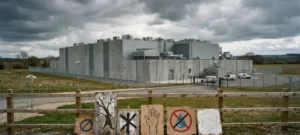
The steady hum of server cooling fans has transformed into a roar of political dissent that echoed through the ballot boxes of the American heartland during the recent election cycle. As the 2026 midterm results solidified, a clear message emerged from the electorate: the physical expansion of the digital world is no longer an invisible byproduct of progress. Voters in states once eager for tech investment have pivotally shifted their stance, treating massive data centers not as economic engines but as intrusive industrial monoliths that threaten local resources and community character.
This transition from passive acceptance to active resistance signals a new chapter in the relationship between Silicon Valley and the rest of the nation. The “data center revolt” has successfully migrated from niche zoning meetings to the center of national political strategy. By examining the roots of this hostility and the specific electoral upsets it fueled, one can see how the physical demands of artificial intelligence have become a primary concern for the modern American voter, who now demands transparency and accountability.
The Sudden Rise of the Data Center Revolt
The 2026 U.S. midterm elections revealed a surprising shift in the American political landscape as the physical footprint of the digital world became a primary concern for the electorate. Once-ignored zoning disputes over server farms have evolved into a national movement, with voters increasingly viewing massive technological infrastructure as a direct threat to their local quality of life. This movement represents a fundamental break from the previously unquestioned expansion of the tech industry across the heartland.
Local activists have traded quiet complaints for organized political action, transforming what were once isolated grievances into a cohesive national platform. Candidates who ignored the rising tide of frustration found themselves struggling to justify the rapid conversion of agricultural and residential land into massive, windowless server hubs. This newfound political awareness highlights a shift in how Americans perceive the costs of a high-speed digital lifestyle.
Understanding the Roots of Public Hostility
Data centers have rapidly transformed from invisible utility hubs into polarizing symbols of industrial overreach. Public perception has soured significantly, with approximately 76% of Americans now expressing opposition to local data center construction in their own communities. This hostility stems largely from a growing anxiety regarding the environmental and economic costs of maintaining the digital cloud. Residents have begun to see a direct correlation between the arrival of massive server farms and the subsequent rise in their monthly residential utility bills and regional water scarcity.
Furthermore, the concern is increasingly split along partisan lines, with a notable surge in hostility toward tech infrastructure among Democratic-leaning voters. While traditional issues like government corruption and the cost of living remain high on the priority list, the salience of data center regulation has climbed to the top tier of voter interests. This shift indicates that the average citizen no longer views technology as a weightless service but as a heavy industrial competitor for the very resources that sustain daily life.
Political Consequences: The 2026 Senate Flip
The electoral map was redrawn in states where data center density far exceeds the national median, signaling a mandate for tighter oversight. In states like Texas, Ohio, and Iowa—hubs with hundreds of active and planned facilities—the presence of these “cloud factories” became a liability for incumbents who had previously courted the industry. Democratic candidates successfully flipped key seats by campaigning on anti-expansion platforms, tapping into local frustrations over the rapid industrialization of suburban and rural landscapes. A new regulatory playbook has emerged from these victories, focusing on infrastructure accountability and corporate responsibility. Proposed mandates across several state legislatures now include temporary construction bans and the aggressive removal of corporate tax incentives that once made these regions attractive to Big Tech. By shifting the financial burden of energy and water development from the taxpayers directly to the tech giants, these newly elected officials promised to insulate the public from the collateral damage of the ongoing artificial intelligence race.
The Massive Scale of the AI Infrastructure Boom
The current surge in data center spending has eclipsed historical industrial expansions, creating a friction point between economic growth and community preservation. Monthly construction spending reached $5 billion by late 2026, driven by the insatiable demand for processing power. This influx of capital has pushed the tech sector’s physical footprint to a scale that invites comparison to the 19th-century railway expansion, representing a larger share of the total U.S. economy than almost any previous industrial surge.
However, this rapid growth presents a paradox of progress that is difficult for local governments to navigate. While data centers bring a temporary influx of construction jobs and substantial tax revenue, the long-term reality involves resource depletion and minimal permanent employment. Experts have noted that the momentum of this capital influx makes a total national moratorium unlikely, but localized regulation is becoming the new standard. The tension between the high-tech future and the preservation of basic community needs has forced a reckoning that no policymaker can afford to ignore.
Strategies for a Shifting Industrial Landscape
As the era of “runaway” construction ended, the AI industry and policymakers were forced to adopt new frameworks for sustainable development. Tech companies recognized that the old model of externalizing costs onto local grids was no longer politically viable. In response, firms like OpenAI pioneered a transition toward self-sufficiency, pledging to secure independent energy and water resources to decouple their operations from public utilities. This shift marked the beginning of a more responsible industrial strategy that prioritized long-term stability over rapid, unregulated expansion. Communities were empowered with transparency mandates and local veto rights, ensuring that environmental safeguards were non-negotiable aspects of any new project. The implementation of these local oversight mechanisms provided a necessary check on corporate power, allowing for a more balanced approach to infrastructure growth. While the market adjusted to slower permitting processes and higher development costs, the new regulatory normal established a foundation for a tech industry that operated with the consent of the people it served.