

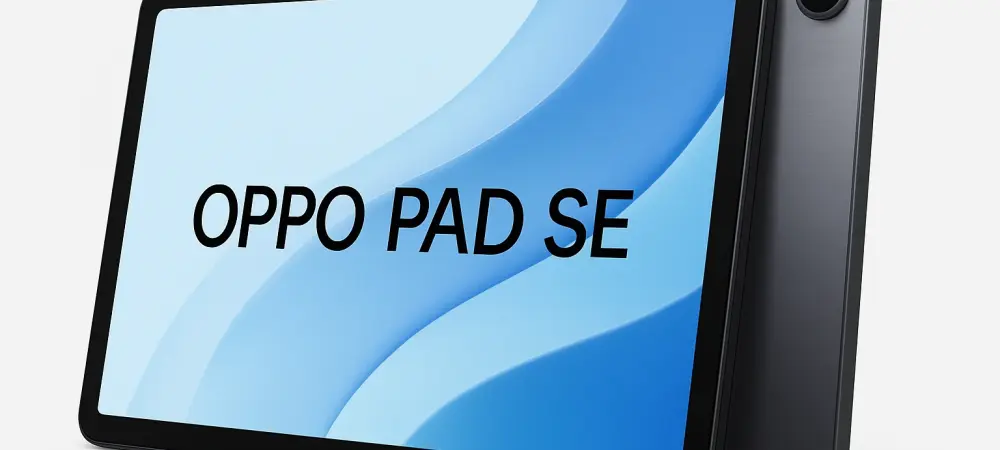
The tech world is abuzz with the awaited introduction of the Oppo Pad SE in India, coming hot on the heels of Oppo’s Reno 14 5G series rollout. Initially launched in several global markets, the Oppo Pad SE has garnered considerable anticipation aimed at capturing a significant slice of the ever-growing Indian tablet market. With a series of unique features, from impressive display specifications to prudent pricing strategies, the focus lies on how this new offering plans to win over Indian consumers.
Unveiling Cutting-Edge Specifications
Display Innovations
One of the cornerstones of the Oppo Pad SE is its 11-inch LCD Eye-Care display, which presents a 16:10 aspect ratio and achieves a brightness level of up to 500 nits. These elements highlight the company’s commitment to ensuring vivid visual performance while catering to the growing consumer demand for eye-friendly technology. In an era where screen time dominates daily life, the inclusion of TÜV Rheinland certifications for low blue light emission and flicker-free performance underscores Oppo’s dedication to facilitating prolonged, comfortable usage. This approach aligns with a broader movement in the consumer electronics sector toward prioritizing health-conscious features, making the Oppo Pad SE apt for users mindful of their optical health.
Robust Battery and Efficiency Features
The Oppo Pad SE is poised to deliver an enduring power performance thanks to its substantial 9,340mAh battery capacity and 33W SuperVOOC fast charging capabilities. Such features are increasingly important in meeting the demands of today’s on-the-go users who rely on their devices for extended periods. Furthermore, the tablet’s Smart Power Saving Mode intelligently turns off the device after seven idle days, potentially extending standby time impressively up to 800 days. What’s more, the device bears a 36-month Fluency Protection Certification, signaling an industry trend of prioritizing device longevity and stability over time. These aspects reflect a concerted effort to ensure that the Pad SE stands as a resilient and efficient choice in its category.
Design Aesthetics and Technological Infrastructure
Aesthetic Appeal
Design enthusiasts will appreciate the duality of color options available with the Oppo Pad SE, which comes in Starlight Silver and Twilight Blue. Both hues are complemented by a dual-tone finish, contributing not just to the visual appeal but also meeting diverse consumer taste preferences. The modern consumer’s days now consist of intertwining personal and professional digital realities, making aesthetic customization a significant factor in product differentiation. Oppo’s tactical move to tailor its products to a wide array of personal styles is reflective of the industry’s drive toward personalization, helping the brand forge a deeper connection with its audience.
Connectivity and Internal Hardware
Furthering its competitive edge, the Oppo Pad SE equips users with comprehensive connectivity solutions, including Bluetooth 5.4, Wi-Fi, and USB Type-C, ensuring seamless interaction with myriad modern tech ecosystems. This assortment of connectivity options meets the demands of progressively interconnected digital lifestyles. On the internal front, the global edition of the Oppo Pad SE is powered by the MediaTek Dimensity G100 chip and operates on ColorOS 15.0.1 based on Android 15. These specifications provide users with robust operational performance conducive to a smooth user experience. While specifics for the Indian model remain veiled, these global features lay a strong foundation for anticipation.
Market Positioning and Launch Strategy
Strategic Pricing
Pricing appears to be a carefully curated aspect propelling the Oppo Pad SE’s market entry. Using the Chinese market prices as a baseline—ranging from CNY 899 to CNY 1,299—the anticipated pricing strategy in India hints at being value-conscious. This strategy is consistent with the needs of a price-sensitive market like India, where affordability can often dictate purchasing decisions. By offering competitive pricing while maintaining quality, Oppo aims to make its mark among Indian consumers who increasingly seek tech solutions that balance cost and feature richness.
Broader Launch Context
The launch of the Oppo Pad SE is strategically synchronized with the introduction of the Oppo Reno 14 5G series, further intensifying spillover consumer interest across both lines. This approach of launching multiple products could stimulate increased consumer engagement, effectively broadening Oppo’s presence. Additionally, there are indications of further product releases by Oppo in India, thereby amplifying the brand’s footprint in this burgeoning technological landscape. The holistic launch strategy indicates a clear intent to fortify Oppo’s position as a formidable player within the Indian tech market.
Prospective Outlook
The tech industry is buzzing with excitement as the Oppo Pad SE makes its way to the Indian market, following closely on the heels of Oppo’s Reno 14 5G series launch. Having already made its debut in several international markets, the Oppo Pad SE has stirred up significant anticipation. Its entry into the Indian market aims to tap into the burgeoning demand for tablets. This device promises to offer a unique selection of features that distinguish it from competitors, such as an impressive display and smart pricing. Oppo’s strategy appears to center on appealing to cost-conscious consumers who seek quality at an accessible price. The Oppo Pad SE, with its strategic pricing and standout features, seems to be geared toward establishing itself as a formidable contender within the Indian tablet scene. As tech enthusiasts eagerly await its launch, the big question remains—how effectively will the Oppo Pad SE capture the hearts of Indian buyers and carve out a substantial share in this competitive landscape?