

In today’s fast-paced technological world, identifying the perfect smartphone or tablet that matches both your needs and financial constraints can be a daunting task. With Samsung’s extensive array of products, choosing the right device demands careful consideration. This roundup article aims to collate diverse opinions and insights from various tech enthusiasts and industry experts to help streamline this decision-making process.
Navigating Through Samsung’s Extensive Galaxy Series
The Samsung Galaxy series is renowned for its wide-ranging products catering to varying consumer demands, from premium flagship models to more budget-friendly options. Experts underline that understanding one’s personal technology requirements is critical when navigating this broad lineup. As technology rapidly evolves, selecting a device that aligns with both current and future needs becomes ever more crucial. Analysts have repeatedly noted that choosing a device that fits well with a user’s technological expectations can significantly enhance daily productivity and satisfaction. This roundup delves into Samsung’s diverse offerings, seeking to equip readers with comprehensive knowledge to make informed purchasing decisions.
Analyzing Samsung’s Smartphone Portfolio
Investigating the Galaxy S Series: Flagships and Fan Editions
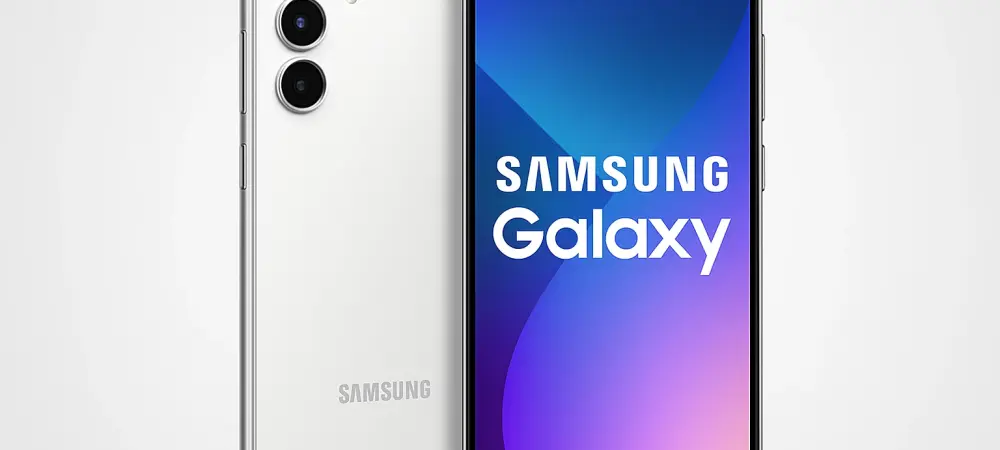
The Samsung Galaxy S24 FE, Galaxy S25 Ultra, and Galaxy S25 Edge present distinct options within the flagship smartphone segment. Industry insiders emphasize the technological advancements in these models, with the S25 Ultra offering impressive functionality superior to its counterparts, thanks to features like extended battery life and dual telephoto cameras. Conversely, the S25 Edge attracts users preferring a sleek, lightweight design. Contrasting opinions reveal a balancing act between optimizing design aesthetics and technical capability, a consideration vital for potential buyers.
Increasing Demand for Compact Devices
The popularity of smaller, yet powerful devices such as the Galaxy S25 Compact is rising. This trend, as observed by market analysts, aligns with shifting consumer preferences toward portable designs that do not compromise on power or performance. The S25 Compact, boasting 12GB of RAM, offers robust performance in a compact form, signaling a competitive edge in the market. Industry experts believe the continued demand for compact devices will drive future innovations in smartphone design.
Exploring the Evolving Galaxy Tablet Experience
Within Samsung’s tablet lineup, the Galaxy Tab S10+ and Ultra models stand out with cutting-edge features like their Dimensity 9300+ processors, extensive storage options, and water-resistant frames. Critics appreciate these high-tier offerings for their potential to boost mobile productivity with enhanced performance specs and S Pen support. This transition within the industry towards more versatile tablets offers a glimpse into the increased demand for feature-rich products that cater to diverse user profiles.
Balancing Affordability and Functionality
For consumers seeking budget-friendly options, the Galaxy Tab S10 FE serves a crucial role. Experts highlight how Samsung strikes an equilibrium between cost and functionality, enabling devices to cater to a wider economic demographic without sacrificing quality. The Tab S10 FE, featuring a 10.9-inch 90Hz IPS LCD display and Exynos 1580 processor, comes with certain concessions in processing power. Nonetheless, its affordability appeals to those who prioritize basic functionality over high-end specifications.
Strategies for Selecting the Right Device
To assist consumers in making prudent decisions, revisiting critical insights from Samsung’s offerings is essential. Effective strategies hinge on identifying personal priorities—be it performance, portability, or price—and accordingly selecting a device that satisfies these criteria. An expert approach involves researching emerging technology trends and evaluating individual requirements to make well-informed selections, ensuring that financial investments in tech are indeed worthwhile.
Samsung’s Ongoing Commitment to Innovation
The constant evolution evident within Samsung’s product lines underscores its strategic foresight in advancing technology. Reflecting on the continuous enhancements and innovations, Samsung remains a key player in personalizing tech experiences to meet diverse consumer needs. Looking ahead, the landscape of tech innovation promises further customization and advancements, suggesting that Samsung is poised to continue shaping the future of consumer electronics. Potential buyers are encouraged to consider these developments, facilitating better-informed technology investments in the coming years.