

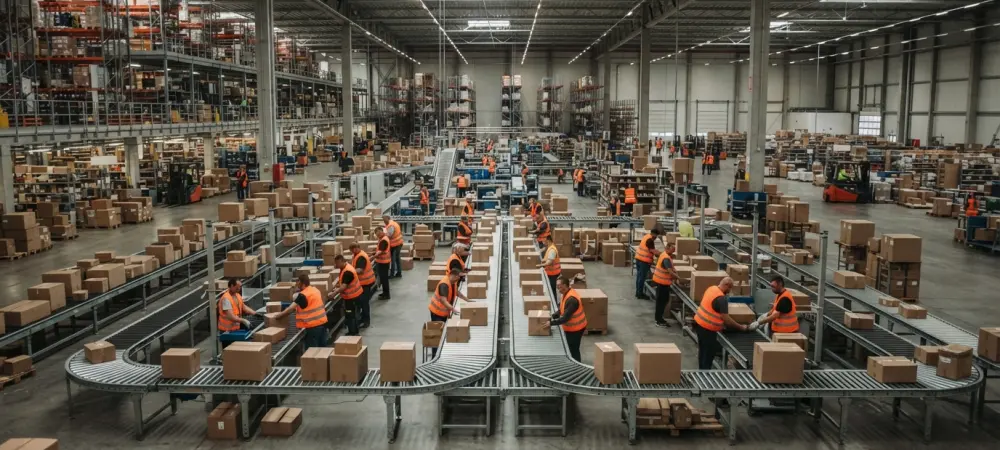
The traditional logistics map of Europe is currently undergoing a radical transformation as major retailers shift their massive distribution centers eastward to capitalize on Poland’s unique strategic positioning. This evolution has turned the nation from a mere transit corridor into a sophisticated terminal for the most ambitious e-commerce brands on the continent. By 2026, the reliance on Central European hubs has become the cornerstone of resilient supply chains, driven by an unmatched convergence of infrastructure investment and technological adoption that few neighboring markets can match.
The Crossroads of European Logistics Efficiency
Retailers are rapidly moving their distribution centers as the geographical center of European commerce shifts toward the east. Poland has successfully transitioned into a premier terminal for global brands by offering a unique mix of modern facilities and digital prowess. This evolution is driven by a necessity to stay ahead of consumer demands that prioritize speed over almost every other factor in the purchasing journey.
The rise of the Polish market as a fulfillment powerhouse is rooted in its proximity to Western Europe’s largest economies. As next-day delivery becomes the global standard, businesses are prioritizing regional hubs that reduce the physical distance between products and doorsteps. This shift addresses the urgent need for companies to mitigate supply chain disruptions while maintaining competitive shipping costs in an inflationary environment.
Strategic Drivers Behind the Polish Logistics Boom
The country serves as a central pivot point, allowing retailers to reach millions of consumers in Germany, Czechia, and Scandinavia within 24 hours. This strategic positioning minimizes transit times and significantly lowers cross-border logistics hurdles. By locating inventory in these high-tech centers, brands can navigate the complexities of international trade with greater ease and lower overhead.
Moreover, the ability to adjust inventory levels based on peak seasons like Black Friday or Christmas is a hallmark of this model. Facilities are designed to expand or contract operations rapidly, providing the flexibility required for brands testing new product lines. This scalability ensures that businesses can manage surges without the burden of excessive long-term costs or wasted warehouse space.
Core Advantages of Poland’s Fulfillment Infrastructure
Modern fulfillment centers in Poland prioritize rapid digital onboarding, often linking online stores and ERP systems within a few weeks. This technological agility ensures that businesses go live without the lengthy delays typically associated with traditional warehousing. The focus remains on integration speed and digital readiness, allowing for a seamless flow of data across the entire supply chain. Advanced data analytics provide retailers with a transparent view of stock movements and levels across the border. This transparency allows for smarter resource allocation and prevents common pitfalls like overstocking or inventory shortages. By leveraging real-time insights, companies can adjust their strategies on the fly to meet fluctuating market conditions and consumer behaviors.
Leveraging Data and Global Network Synergy
By storing goods closer to the end user in Polish hubs, international companies can drastically reduce their last-mile carbon footprint. This decentralized approach aligns with the growing consumer demand for sustainable and eco-friendly delivery practices. Furthermore, the integration of warehousing with diverse transport options—from small parcels to palletized freight—creates a frictionless journey from the shelf to the doorstep.
The power of a premier hub is defined by the intelligence and connectivity of its network. Unified solutions that bridge the gap between warehousing and diverse transportation needs allow for a holistic service suite. Whether a business requires standard shipping or global express delivery, the presence of established networks ensures a smooth transition throughout the entire product lifecycle.
Practical Steps for Expanding via Polish Hubs
A structured approach to utilizing these fulfillment centers involves analyzing sales data to identify which regional clusters benefit most from localized shipping. Focus remains on areas where high delivery costs or long lead times previously dampened conversion rates. Ensuring that existing technical platforms are ready for API integration with logistics providers is a critical priority for long-term success. Moving high-velocity items to a Polish hub allows companies to capture immediate efficiencies while testing the waters for broader expansion. Once the process is streamlined, businesses can gradually transition a larger variety of inventory to fully capitalize on regional cost advantages and lower labor overhead. Future efforts focus on further refining these networks to ensure they remain the most cost-efficient and sustainable distribution options available.