

The quiet municipality of Trino in northern Italy is currently at the center of a monumental industrial shift as the decommissioned Enel Galileo Ferraris power plant undergoes a massive conversion. This €4 billion initiative aims to repurpose the former thermoelectric site into what is projected to be the largest artificial intelligence data center in Europe. Since the original facility ceased operations back in 2013, the region has sought a modern purpose for the vast infrastructure, and this digital transformation represents a significant pivot toward the high-growth sectors of cloud computing and advanced IT services. Mayor Daniele Pane has highlighted that the project serves as a cornerstone for local economic revitalization, expected to generate approximately 300 specialized jobs within the Piedmont region. By leveraging a site that once powered the industrial era, Italy is signaling its intent to dominate the next phase of the global digital economy through high-scale infrastructure investments that capitalize on existing grid connections and available land.
Synergies Between Digital Infrastructure and Renewable Energy
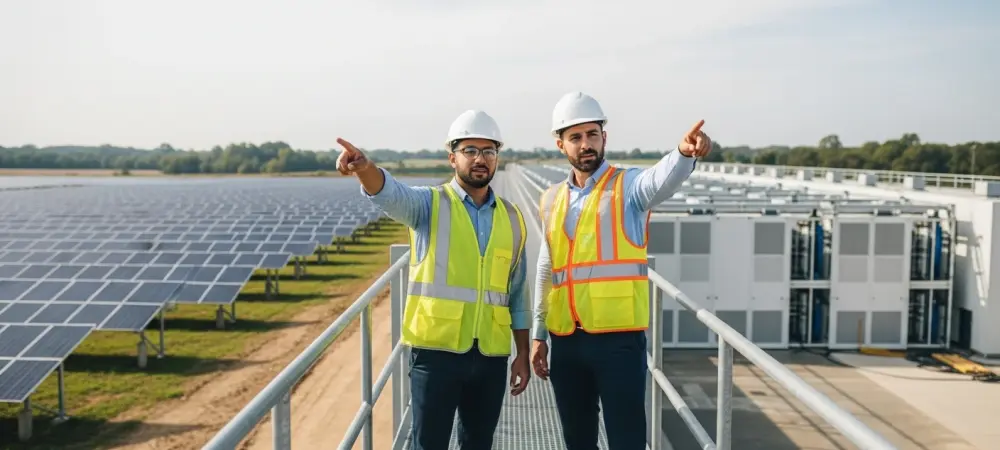
A critical factor distinguishing the Trino development from typical urban data centers is its deep integration with pre-existing renewable energy assets. The facility sits adjacent to the largest photovoltaic park in northern Italy, a massive 130-hectare solar array managed by Enel Green Power that includes a sophisticated 100MWh lithium-ion battery storage system. While the developer Techbau focuses on the construction and operation of the digital halls, the proximity to sustainable power ensures that the massive energy demands of AI processing are met with minimal carbon impact. This hybrid model addresses one of the primary criticisms of large-scale data centers: their immense electricity consumption. By utilizing onsite storage and solar generation, the facility can stabilize its power draw and mitigate costs. This symbiotic relationship between a tech-heavy data hub and a green energy park provides a blueprint for future industrial redevelopments across the continent, where energy security and sustainability are now paramount considerations.
Expanding Italy’s Role as a Mediterranean Technology Gateway
The rise of the Trino facility marked a significant departure from the traditional concentration of digital infrastructure in Milan, broadening Italy’s geographic appeal to global tech titans. As major corporations like Microsoft, Equinix, and Digital Realty continued to expand their footprints within the country, the successful operation of this new hub catalyzed further investments in peripheral regions. For policymakers and investors, the Trino project demonstrated that repurposing brownfield industrial sites was a viable strategy for meeting the urgent demand for low-latency connectivity and high-capacity storage. Moving forward, stakeholders prioritized the development of similar integrated energy-tech zones to ensure that the rapid expansion of artificial intelligence did not outpace the available power grid capacity. Italy successfully solidified its standing as a premier destination for high-capacity digital management by proving that legacy industrial assets could be effectively reimagined to support the needs of a modern, data-driven society through thoughtful planning.