

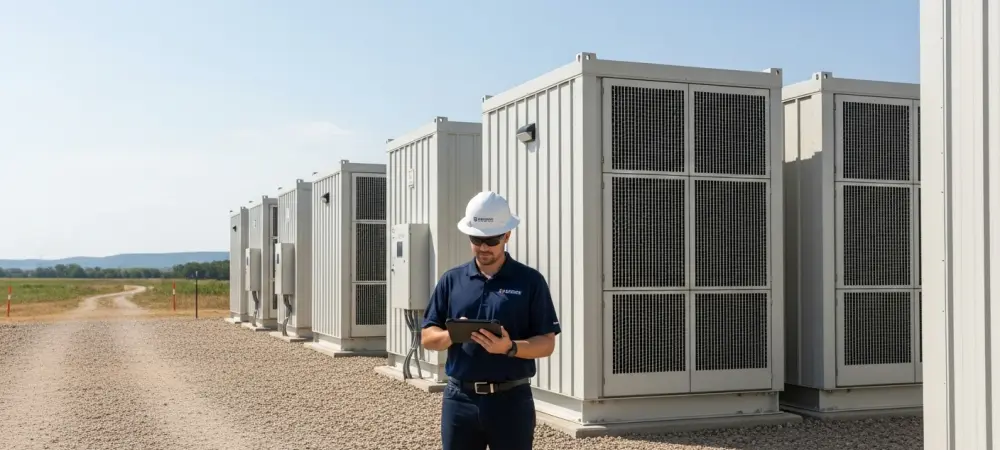
The quiet cattle pastures of Webster County are currently facing an unexpected digital transformation as a high-stakes artificial intelligence infrastructure project takes root along a dusty gravel road. Marshfield, Missouri, typically known for its scenic landscapes rather than high-performance computing, is now the site of a five-acre gamble on Rifle Range Road. Lumon Solutions, a newcomer to the digital world, plans to install a series of modular units rather than a traditional campus. This developer notably rejected all tax abatements, a decision that left many local residents skeptical of the long-term economic trade-offs involved.
This rural shift signals a broader trend in the deployment of specialized AI infrastructure. It tests whether high-density computing can survive far from established tech hubs. The project matters because it forces a confrontation between global technological trends and the preservation of a rural way of life, raising urgent questions about how local resources—specifically electricity and water—are managed behind closed-door agreements.
The Intersection of High-Tech Ambition and Rural Reality
The project aims to plant an AI-ready Tier III data center in the heart of the Ozarks. By opting for modular units, Lumon Solutions bypasses the massive construction timelines of traditional facilities. However, the refusal of corporate subsidies has fueled local rumors regarding the project’s financial sustainability and its ultimate purpose within the county’s tax structure.
While Missouri’s data industry usually centers on Kansas City, this move toward Webster County forces a conversation about the decentralization of the internet. Local officials find themselves navigating a complex regulatory landscape without the usual leverage provided by incentive packages. This lack of a formal agreement has made the community feel like they are bystanders in a major industrial shift.
Why a Small-Town Data Center Is Making Big Waves
This move signals a pivot in how AI infrastructure is being deployed across the Midwest. The facility tests whether specialized, high-density computing can exist in areas lacking established fiber networks or tech workforces. For the community, it represents a clash between global technological trends and the preservation of a rural way of life.
Resource management remains the primary concern for those living near the site. The secrecy surrounding utility agreements has created a vacuum of information that residents are filling with apprehension. Questions about how a small-town grid will handle massive electricity demands without impacting residential rates continue to go unanswered.
Technical Ambition Versus Local Resistance
The proposed facility features eight modular units equipped with closed-loop cooling systems designed to protect the local water table. This technology is intended to handle the extreme heat generated by AI chips without constant water consumption. Yet, the technical specifications have been overshadowed by a lack of transparency regarding a non-disclosure agreement with local utility providers.
During a tense meeting on May 11, residents voiced deep-seated fears regarding noise and environmental footprints. Lumon Solutions responded by labeling public criticism as “false and misleading” on social media. This aggressive digital defense further widened the rift between the company and the families living adjacent to the property.
Assessing the Credibility Gap in Marshfield
The success of this venture relies heavily on the developer’s track record, which remains a significant hurdle. Founder Ashton Owens brings a background in media and creative agencies rather than specialized infrastructure management. Current digital footprints for the firm are thin, with a broken website and a minimal professional network presence. This lack of industry experience creates a scenario where the developer’s vision is measured against the rigid requirements of Tier III standards. Skeptics argue that a creative background does not naturally translate to the complex electrical and cooling demands of high-performance computing.
Identifying Red Flags in Rural Tech Development
When first-time developers propose high-impact projects, stakeholders must apply a rigorous framework to evaluate viability. This includes demanding transparency on utility contracts and verifying the efficacy of cooling technologies. Communities must also consider the long-term implications of modular “data centers in a box,” which may lack the permanence of traditional industrial developments.
Future projects of this nature benefited from mandatory decommissioning bonds and third-party environmental audits. The Marshfield experience demonstrated that local governments needed updated zoning laws to handle the rapid expansion of AI infrastructure. By prioritizing transparency over quick development, rural counties ensured that technological progress did not come at the expense of their foundational resources.