

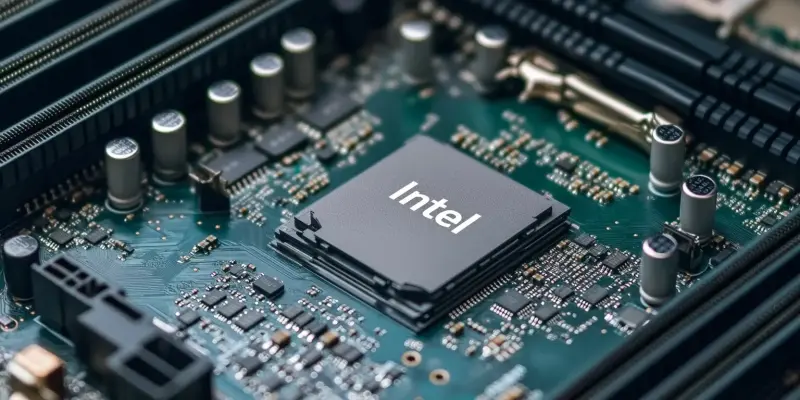
Intel is set to create a buzz in the technology market with the upcoming launch of its Core Ultra 200 non-K desktop CPUs, targeted at budget-conscious consumers who seek efficiency without the need for extensive overclocking capabilities. With pre-orders now available exclusively in China, the commercial release of these CPUs is scheduled for January 13. The Core Ultra 200 series, part of Intel’s Arrow Lake lineup, features various models catering to a wide range of computing needs. This includes the standard non-K chips, cost-effective F variants that come without integrated graphics, and “T” variants, which are designed to optimize energy efficiency for compact systems. This launch is augmented by Intel’s Chinese social media presence on Weibo, where they have underscored the processors’ new architecture, improved power consumption, and enhanced performance.
Diverse Models for Different Needs
Intel’s Core Ultra 200 series aims to deliver a cost-effective solution for consumers while maintaining a balance between performance and efficiency. The lineup includes high-end models such as the Core Ultra 9 285, which boasts a 24-core configuration, and more modest options like the Core Ultra 3 205 with an 8-core setup. Although these CPUs differ in their performance levels, they share a common architectural foundation grounded in the Lion Cove and Skymont designs, ensuring consistent efficiency and usability across the board. This architectural approach is particularly appealing to users looking for reliable performance in a budget-friendly package. Additionally, Intel has prioritized lower clock speeds in the non-K CPUs, which, while translating to slower performance compared to their overclockable K counterparts, precisely aligns with their positioning for budget-conscious consumers who don’t necessarily require top-tier speeds.
Adding to the appeal of the Core Ultra 200 series is the anticipated release of new 800-series motherboards from Intel’s board partners, including the B860 and H810. These motherboards are designed to support the new processors, offering additional cost savings on PC builds. By collaborating with board partners, Intel ensures comprehensive compatibility and optimal performance out of the box, making the building process more seamless for consumers. This integration of new CPUs with contemporary motherboard technologies is a significant step in Intel’s broader strategy to cater to varied consumer needs, reflecting a commitment to offering adaptable, high-value products. These developments underscore Intel’s focus on providing versatile solutions that work efficiently for different usage scenarios, from high-performing gaming systems to energy-saving compact devices.
Strategic Focus on Power Consumption and Efficiency
One of the standout features of Intel’s Core Ultra 200 series is its emphasis on power consumption and efficiency, catering specifically to users who need dependable performance without overwhelming energy demands. The “T” variants within the series are particularly noteworthy for their energy efficiency, making them ideal for compact systems where power conservation is critical. This focus on efficiency resonates with current consumer trends that prioritize both environmental sustainability and cost-effectiveness.
The launch of the Core Ultra 200 CPUs comes at a time when there is growing awareness and demand for energy-efficient computing solutions. Consumers are increasingly looking for products that offer robust performance while consuming less power, both to reduce electricity costs and to minimize environmental impact. Intel’s response to this demand is reflected in the architecture of the new processors, which are designed to optimize power usage without compromising on core functionalities. This is particularly crucial for users who frequently require their systems to run extended hours—whether for work, entertainment, or other applications—without experiencing significant power drain.
Intel’s strategic move to introduce budget-friendly, energy-efficient processors with the Core Ultra 200 series is expected to appeal to a wide consumer base. The combination of innovative architecture and practical configurations ensures that these CPUs meet the essential needs of most users. While the lower clock speeds of the non-K models may not satisfy hardcore gamers or professional video editors looking for the highest possible performance, they are more than sufficient for everyday computing tasks, streaming, and light gaming. By addressing the fundamental requirements of a broad segment of the market, Intel is likely to bolster its reputation as a versatile and consumer-oriented technology provider.
Next Steps and Consumer Impact
Intel’s Core Ultra 200 series stands out for its focus on power consumption and efficiency, designed for users seeking dependable performance without heavy energy use. Especially notable are the “T” variants, known for their energy efficiency, making them perfect for compact systems where conserving power is crucial. This focus aligns with current consumer trends emphasizing environmental sustainability and cost-effectiveness.
The launch of the Core Ultra 200 CPUs comes amidst increasing awareness and demand for energy-efficient computing solutions. Consumers now prefer products that deliver robust performance while using less power to cut electricity costs and minimize environmental impact. Intel’s new processors reflect this demand, engineered to optimize power usage without sacrificing core functionalities. This is essential for users needing their systems to run for extended periods—whether for work, entertainment, or other purposes—without significant power drain.
Intel’s introduction of budget-friendly, energy-efficient processors with the Core Ultra 200 series is expected to attract a broad consumer base. The innovative architecture and practical configurations ensure these CPUs meet the needs of most users. While the lower clock speeds of the non-K models may not satisfy hardcore gamers or professional video editors, they are more than adequate for everyday computing, streaming, and light gaming. By addressing the basic requirements of a wide market segment, Intel is set to reinforce its reputation as a versatile, consumer-friendly technology provider.