

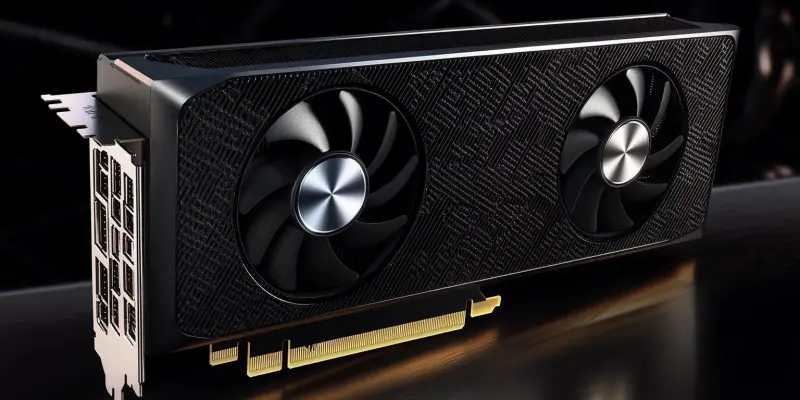
NVIDIA’s strategic pivot to advance in the humanoid robotics segment, leveraging its existing expertise in artificial intelligence and computing, signifies a bold move aimed at capturing a significant market share. The company plans to launch its new series of compact computers, named “Jetson Thor,” in the first half of 2025, aligning with estimates that the robotics industry will grow to an impressive $165 billion by 2029. By creating an ecosystem that integrates its software and hardware capabilities, NVIDIA aims to establish itself as a leading player in this burgeoning industry, leveraging platforms like Omniverse and the Isaac software stack to allow real-time interaction with robots in virtual environments.
Strategic Initiatives and Market Position
NVIDIA’s drive into the robotics sector is fueled by the broader momentum of the AI industry and an increasing demand for highly efficient automated systems. Advances in model training and the rise of generative AI present NVIDIA with a golden opportunity to capitalize on prevailing market trends. Humanoid robots represent an evolution from traditional AI applications to more integrated and interactive robotic systems. These trends highlight a shift in technological imperatives, signaling a crucial phase for companies aiming to make significant impacts in varied sectors, ranging from logistics and manufacturing to healthcare and personal assistance.
The anticipated growth of the robotics market presents NVIDIA with a significant chance to harness its existing technological assets. By integrating its comprehensive AI and computing capabilities, NVIDIA is poised to deliver powerful solutions tailored to the evolving demands of the robotics industry. This ecosystem includes the company’s Omniverse platform, which offers a collaborative environment for 3D simulation and design, and the Isaac software stack, which enables sophisticated software frameworks for developing and managing robotics innovation. These assets provide a solid foundation for NVIDIA’s dominance in the market.
NVIDIA’s Technological Innovation and Ecosystem
NVIDIA’s daring move to cement its position in the humanoid robotics market capitalizes on its established strengths in artificial intelligence and computing. This strategic shift is poised to help the company capture a substantial portion of the growing industry. NVIDIA is set to unveil its new series of compact computers, named “Jetson Thor,” in the first half of 2025. This launch coincides with the forecast that the robotics market will expand to an impressive $165 billion by 2029. NVIDIA’s vision includes creating an integrated ecosystem combining its robust software and hardware capabilities. Platforms like Omniverse and the Isaac software stack play a crucial role, enabling real-time interaction with robots in simulated environments. This approach ensures that NVIDIA is not only a participant but aiming to be a dominant force in this expanding field. The company’s comprehensive strategy is designed to ensure it stands out as a leader as the robotics industry evolves and reaches new heights.