

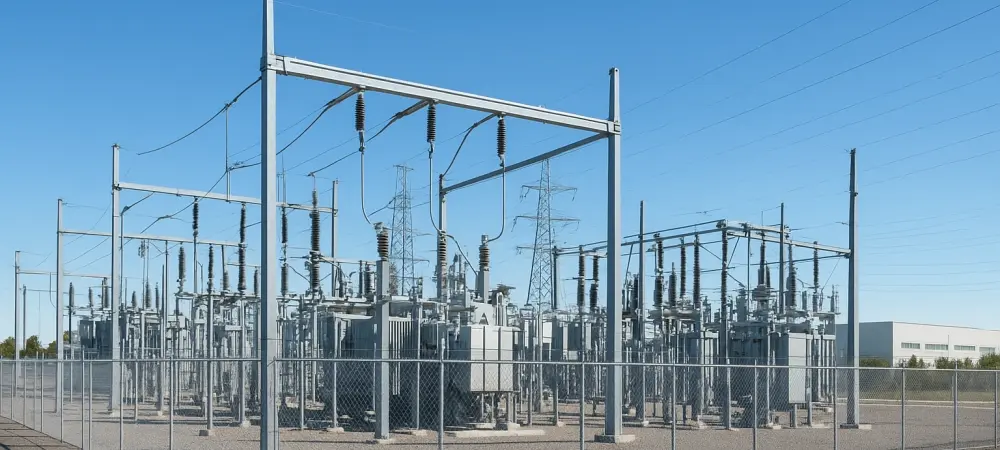
The defeat of the proposed development moratorium was influenced by concerns that a blanket ban might exceed the city’s legal jurisdiction and lead to litigation. This legislative turning point has placed Hamilton at a pivotal crossroads where the burgeoning global industry of artificial intelligence (AI) intersects directly with local environmental stewardship and complex urban planning strategies. As the municipal election season intensifies, the debate over the development of massive data centers has emerged as a defining issue for both voters and the candidates vying for the top office at City Hall. Hamilton’s storied industrial history and its proximity to major academic institutions like McMaster University have made it an attractive destination for high-tech infrastructure, yet this interest has not been met with universal acclaim from the community. The central tension lies between the promise of technological modernization and significant economic investment versus the tangible risks to local resources and the everyday quality of life for residents across diverse neighborhoods. During the height of the summer season in 2024, thousands of residents descended upon City Hall to express grievances regarding the potential environmental and logistical tolls these facilities might exact on the municipal landscape. The community response highlighted a deep-seated anxiety about the rapid acceleration of AI technologies and the massive facilities required to house the servers that store data and process complex algorithms. These projects are notoriously resource-intensive, requiring vast quantities of water for cooling and enormous amounts of electricity to power thousands of high-performance servers around the clock.
Industrial Proposals: The Transformation of the Waterfront
The current industrial debate is anchored by two high-profile projects that are currently in various stages of planning and due diligence review. The Digital Research Alliance of Canada (DRAC) has put forward a significant proposal to the federal government to build and operate a National AI Compute Facility. This ambitious project is slated for a three-hectare plot of waterfront industrial land, which the organization intends to purchase from Slate Asset Management. While the proponents of the DRAC facility highlight its vital role in supporting national academic research and providing necessary computational power for Canadian scientists, skeptics remain focused on the ecological footprint. The prospect of a large-scale industrial site on the city’s sensitive waterfront has raised alarms about the long-term impact on the harbor’s rehabilitation and the potential for these “windowless monoliths” to dominate the shoreline, offering little in the way of visual appeal or public accessibility.
Building on the momentum of tech-centric development, a secondary initiative involves the Ontario-based company s2e and McMaster Innovation Park. This proposal seeks to repurpose the former Hamilton Spectator building into a data center designed to support the local innovation ecosystem. McMaster University has confirmed that this project is currently in its due diligence phase, often framing it as a “research-oriented” facility rather than a commercial hyperscale center. Proponents argue that by utilizing an existing building within a business startup hub, the project minimizes the need for new land development. However, even this research-focused approach faces scrutiny regarding its long-term resource consumption and the possibility of noise pollution in an area that is increasingly becoming a blend of professional offices and residential units. The distinction between commercial and research facilities remains a point of contention for residents who fear that once the infrastructure is established, the scope of operations could expand without sufficient public oversight.
Legislative Landscape: The Fight for Regulatory Control
The political landscape surrounding data centers reached a boiling point when municipal leaders were forced to decide between immediate economic growth and long-term precautionary planning. A motion introduced by the local council to implement a year-long moratorium was intended to provide the city with “breathing room” to assess the environmental impacts and establish more rigorous regulatory frameworks. The goal was to ensure that Hamilton did not become a testing ground for experimental infrastructure without having the proper bylaws in place to protect municipal interests. However, the City Council ultimately voted 10-6 against the ban, a move that revealed deep divisions within the local government. Some representatives feared that such a moratorium would signal that the city was “closed for business,” potentially driving away high-tech investment and high-paying jobs to neighboring municipalities that were more welcoming to the tech sector.
This local decision was further influenced by external pressures from higher levels of government. Shortly after the Council rejected the moratorium, the Ontario provincial government signaled its strong support for the data center industry, unveiling a broader plan to attract these facilities as a primary driver of economic growth and job creation across the province. This alignment between provincial economic goals and municipal industrial policy has created a challenging environment for local activists who feel that their concerns are being sidelined by larger political agendas. The push for rapid industrial expansion often bypasses the granular environmental studies that residents demand, leading to a perception that the city is prioritizing corporate interests over local sustainability. This legislative history continues to shadow the current election cycle, as voters seek leaders who can navigate the complex relationship between municipal autonomy and provincial economic directives.
Candidate Perspectives: A Spectrum of Policy Responses
The mayoral candidates offer a broad spectrum of responses to the data center dilemma, reflecting the diverse priorities of the Hamilton electorate. On one end of the spectrum, candidates like Sasha Austin and Erin Janus have adopted a firm stance against the current trajectory of tech expansion. Austin has explicitly called for the implementation of strict bylaws to prevent any AI data centers from being constructed within city limits, citing the irreversible environmental risks. Janus echoes this sentiment, arguing that the city does not need these facilities on its waterfront and should reject the industry entirely to protect local resources. Their platforms resonate with a vocal segment of the population that views the data center industry as an extractive force that provides minimal local employment while consuming an outsized share of municipal utilities. These candidates emphasize a “environment-first” approach that prioritizes the preservation of the city’s natural and social fabric over speculative technological growth.
In contrast, other candidates like Scarlett Gillespie provide a more nuanced regulatory critique that focuses on the mechanics of municipal governance rather than an outright ban. Gillespie opposes the previous council’s decision to ignore the moratorium and instead advocates for a comprehensive “data center framework” that would require site-specific zoning and mandatory disclosure of all resource demands. Her platform is built on the principle that residents should not be forced to subsidize the infrastructure costs of private technology firms. This middle-ground approach seeks to balance the inevitability of tech growth with a rigorous set of enforceable standards for noise, heat, and resource consumption. By demanding that developers prove their projects will result in a net benefit for the city, Gillespie and like-minded candidates aim to create a protective barrier that ensures Hamilton’s growth is both managed and equitable, preventing the “hidden costs” that often accompany rapid industrial shifts.
Economic Opportunity: The Pro-Development Vision
The incumbent leadership and certain council members represent the pro-development wing of the race, viewing data centers as a necessary step toward the city’s economic evolution. Mayor Andrea Horwath and Councillor Rob Cooper have consistently argued that individual projects should be assessed on their specific merits rather than being blocked by a blanket moratorium. They view the industry as a vital opportunity for job creation and a way to support the world-class research taking place at local institutions. From their perspective, Hamilton must remain competitive in the global tech sector to ensure long-term fiscal stability and to diversify the city’s tax base away from traditional heavy manufacturing. They emphasize that while environmental concerns are valid, they can be addressed through the existing planning and approval processes without resorting to drastic bans that might damage the city’s reputation among international investors.
A key tenet of this pro-development platform is the concept of fiscal protection and developer accountability. These candidates assert that the city can welcome high-tech infrastructure while simultaneously ensuring that taxpayers and existing electricity ratepayers are not burdened by the massive utility requirements of these facilities. They advocate for a model where private developers are responsible for funding all necessary infrastructure upgrades, such as new electrical substations or expanded water treatment capabilities. By shifting the financial responsibility to the corporations, these leaders believe they can capture the economic benefits of the AI boom while insulating the municipal budget from unforeseen costs. This vision relies on the belief that Hamilton can “take hold of this opportunity” and transform itself into a modern tech hub, provided that the city maintains a firm hand in negotiating the terms of these industrial partnerships.
Common Themes: Resource Management and Public Trust
Despite the varying political stances, several common themes have emerged that unite both the candidates and the public in their concern for Hamilton’s future. There is a broad consensus that data centers represent a unique challenge to the city’s power and water grids that cannot be managed with traditional zoning tools. The sheer volume of resources required to cool and operate AI servers is a primary point of contention, with residents expressing fear that the municipal power grid could be pushed to its limits during peak demand periods. Candidates across the political spectrum—even those who support the development—agree that these facilities must be subjected to an unprecedented level of scrutiny regarding their environmental impact. The consensus suggests that any future development must be contingent upon a clear and transparent demonstration that the facility will not compromise the city’s water security or lead to increased utility costs for the average household.
Transparency and the restoration of public trust have also become central themes in the ongoing debate. Much of the public frustration stems from the way the City Council handled previous discussions, particularly the decision to deliberate on crucial details in private sessions. This perceived lack of openness has led to a significant gap between the decisions made by leadership and the expectations of the community. Voters are increasingly looking for candidates who promise a more transparent, public-facing evaluation process where environmental studies and resource demands are made available for public review long before any permits are issued. Furthermore, the “neighborhood-level” concerns regarding constant humming noise, heat emissions, and the visual impact of massive industrial buildings near residential areas highlight the need for a bespoke regulatory toolkit. The public is demanding that data centers be recognized as unique entities that require specialized guardrails to ensure they do not erode the quality of life for those living in the shadow of the digital age.
Future Considerations: Strategic Pathways for Municipal Autonomy
The path forward for Hamilton required a significant shift in how municipal leaders approached the intersection of technology and urban life. It became clear that the city could not rely on outdated industrial frameworks to manage the unique demands of the AI sector. Actionable steps were identified that centered on the creation of a specialized “Data Center Zoning Overlay,” which established strict geographic boundaries for such facilities, ensuring they remained within heavy industrial zones far from residential neighborhoods and sensitive waterfront areas. This regulatory innovation allowed the city to maintain a degree of control that a simple ban could not provide, while still signaling to the tech industry that growth was possible within clearly defined parameters. Leadership also moved toward a “zero-subsidy” policy, requiring all tech developers to sign legally binding agreements to pay for the full lifecycle costs of the infrastructure they utilized, including eventual decommissioning and site remediation.
Ultimately, the city’s experience highlighted the importance of reclaiming municipal autonomy in the face of provincial and global economic pressures. The leadership realized that the true measure of success was not just the number of jobs created, but the resilience of the city’s resources and the strength of the public’s trust in the planning process. By implementing a mandatory community benefit agreement for every data center project, Hamilton ensured that these facilities contributed directly to local social infrastructure, such as funding for green energy initiatives or public park expansions. These strategic decisions transformed the data center debate from a source of conflict into a catalyst for a more rigorous and transparent form of urban governance. The city proved that it was possible to engage with the digital future without sacrificing the environmental integrity or the democratic values that defined the community’s identity, providing a blueprint for other mid-sized cities facing similar technological pressures.