

Unveiling the Nordic Digital Frontier
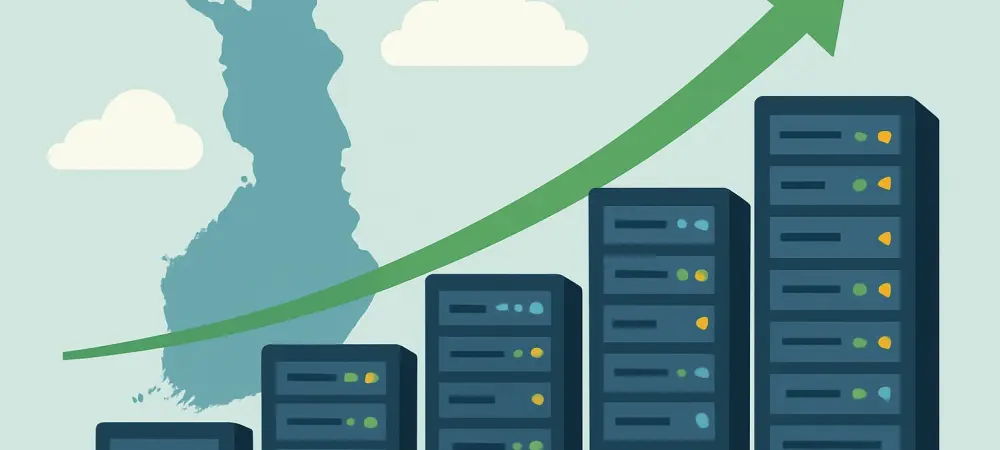
In an era where digital infrastructure underpins global economies, Finland has emerged as a surprising yet formidable contender in the data center market, showcasing its potential as a key player in Northern Europe. Nestled in this Nordic region, the nation is witnessing an unprecedented surge in investments, with sprawling facilities taking root in areas like Finnish Lapland and Eastern Finland. What drives this remarkable growth in a country often overlooked for tech hubs? This analysis delves into the market dynamics propelling Finland into the spotlight, examining key trends, specific projects, and the strategic advantages that position it as a hotspot for digital expansion. By unpacking current developments and forecasting future trajectories, the goal is to provide stakeholders with actionable insights into one of the most intriguing markets for data center investment today.
Market Trends and Driving Forces
Environmental and Geographic Catalysts
Finland’s ascent in the data center industry is rooted in a unique combination of environmental and geographic strengths that align perfectly with market demands. The country’s cold climate, particularly in northern regions like Lapland, offers a natural cooling mechanism for data-intensive facilities, significantly reducing energy costs. Moreover, Finland’s robust renewable energy grid, powered largely by hydropower and wind, caters to the growing emphasis on sustainability within the tech sector. This alignment with eco-friendly practices is not just a benefit but a critical differentiator as global companies face mounting pressure to lower carbon footprints. Business Finland has actively promoted these advantages, positioning the nation as a leader in green digital infrastructure.
Beyond climate benefits, the availability of expansive, underutilized industrial land presents a cost-effective opportunity for developers. Remote areas, often seen as logistical challenges, are becoming assets due to lower land costs and reduced competition. However, market analysts note that while these factors drive initial interest, sustaining growth will depend on addressing connectivity challenges and ensuring access to skilled labor in these isolated regions. The balance of natural advantages against infrastructural hurdles remains a defining tension in Finland’s market narrative.
Surge in Industrial Repurposing
A notable trend shaping Finland’s data center landscape is the strategic repurposing of former industrial sites, a move that optimizes existing infrastructure while minimizing development costs. This approach is evident in projects across the country, where old factories and mills are transformed into cutting-edge tech hubs. Such initiatives not only reduce the financial burden of new construction but also leverage pre-existing power and transport networks, accelerating project timelines. This trend resonates with broader industry shifts toward cost efficiency and adaptive reuse in real estate markets.
The market impact of this strategy is significant, as it lowers entry barriers for smaller players while offering scalability for larger operators. Yet, challenges persist, including the need for substantial upgrades to meet modern data center standards and the risk of inconsistent power supply in repurposed locations. As this trend gains traction, it is poised to redefine how digital infrastructure projects are conceptualized, particularly in regions with a rich industrial legacy but declining traditional manufacturing.
Key Projects Fueling Market Growth
Kemi’s Transformation in Finnish Lapland
One of the most compelling case studies in Finland’s data center market is unfolding in Kemi, a town in Finnish Lapland near the Swedish border. Here, Bilt Tek, a company tied to Mylo Real Estate Ltd., has already established a 70MW facility in the Veitsiluoto area on the grounds of a former Stora Enso paper mill. Building on this success, plans are underway for a new 5–10MW data center in the Tervaharju area, with construction slated to begin within the next year on 7,000 square meters of city-owned land. The project’s strategic location near a highway and fire station, coupled with plans to integrate into the local district heating network, underscores a commitment to efficiency.
This development highlights the market potential of leveraging industrial legacies for modern tech needs, a model that could inspire similar ventures across Europe. However, limited public information about Bilt Tek raises transparency concerns, potentially impacting investor confidence. Despite this, the project’s alignment with sustainability goals and cost-effective land use positions Kemi as a benchmark for regional data center expansion, reflecting broader market interest in Finland’s northern territories.
Kitee’s Scalable Ambitions in Eastern Finland
In Eastern Finland, the town of Kitee in North Karelia is emerging as another focal point for market activity, showcasing the region’s scalability potential. The city is finalizing negotiations with an undisclosed European operator for a facility spanning five hectares in the Puhos industrial area, once home to a chipboard factory. With a land sale price of approximately $233,366 and a power supply starting at 10MW—expandable to 200MW via the national grid—this project exemplifies the market’s appetite for flexible, high-capacity infrastructure.
Additional advantages, such as natural water cooling and potential district heating integration, align with industry demands for energy-efficient solutions. However, the anonymity of the operator introduces risks around accountability and project delays, a concern for market stability. Nevertheless, Kitee’s development signals Eastern Finland’s growing relevance in the data center sector, contributing to a diversified geographic portfolio within the country and attracting varied investor interest.
Future Projections and Market Opportunities
Technological and Regulatory Influences
Looking ahead, Finland’s data center market is expected to experience robust growth, driven by technological advancements and evolving regulatory landscapes. The rise of AI and cloud computing continues to fuel demand for high-capacity facilities, with Finland well-positioned to meet these needs through its sustainable infrastructure. Market projections suggest that over the next few years, from 2025 to 2029, investment in northern and eastern European regions will accelerate, with Finland potentially capturing a significant share due to its environmental edge.
Regulatory frameworks within the European Union, particularly around data privacy and energy efficiency standards, will also shape market dynamics. Operators in Finland may need to adapt swiftly to compliance requirements, which could drive innovation in facility design and operations. Analysts anticipate that government support, evidenced by initiatives like Business Finland’s promotion of development-ready sites, will further bolster the market, provided logistical challenges in remote areas are addressed effectively.
Competitive Positioning and Challenges
Finland’s competitive positioning in the global data center market hinges on its ability to balance unique advantages with inherent challenges. Proximity to major European markets ensures low latency for data transmission, a critical factor for cloud service providers. Yet, the remote nature of key regions like Lapland and North Karelia poses obstacles in logistics and talent acquisition, potentially slowing expansion if not mitigated through strategic investments in connectivity and workforce development.
Emerging players alongside established tech giants are likely to diversify the market, fostering a mix of niche and large-scale projects. This competitive landscape offers opportunities for innovation but also heightens the need for transparency and reliability among operators. As Finland navigates these complexities, its market trajectory could serve as a model for other regions seeking to capitalize on environmental and industrial assets in the digital infrastructure space.
Reflecting on Finland’s Digital Infrastructure Journey
Looking back, Finland’s rapid emergence as a data center hub unfolded as a story of strategic adaptation and geographic fortune. The projects in Kemi and Kitee illustrated how industrial repurposing and sustainability became cornerstones of market growth, while broader trends underscored the nation’s appeal through a cold climate and renewable energy grid. These developments carried profound implications for stakeholders, highlighting the potential for cost savings and eco-friendly innovation in digital infrastructure.
Moving forward, the path demands a focus on actionable strategies to sustain momentum. Investors and operators need to prioritize partnerships with local governments and energy providers to streamline project execution and ensure consistent power supply. Enhancing transparency, especially for lesser-known entities, emerges as a critical step to build trust and attract long-term capital. Additionally, addressing connectivity and talent challenges in remote regions through targeted infrastructure investments becomes essential to unlocking Finland’s full potential. As the global data center market continues to evolve, Finland’s lessons offer a blueprint for balancing natural advantages with strategic planning, paving the way for sustained impact in the digital economy.