

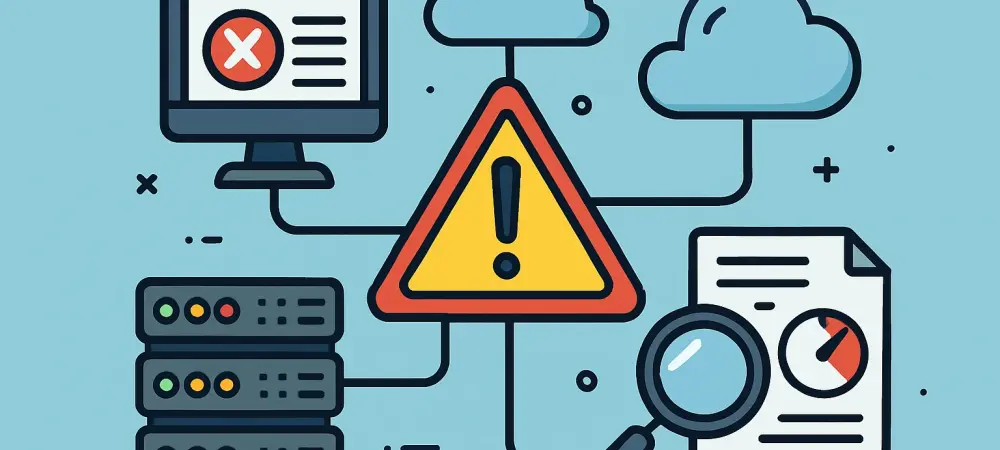
In an era where digital connectivity underpins nearly every aspect of business and daily life, the stability of networks has become a cornerstone of operational success, with even minor disruptions potentially leading to significant financial losses or reputational damage. Imagine a multinational corporation facing a sudden network outage during a critical product launch, resulting in delayed communications, frustrated customers, and missed opportunities. This scenario underscores a fundamental truth: maintaining seamless network performance is non-negotiable. Fault management emerges as a vital component in this context, serving as the backbone of network reliability by detecting, isolating, and resolving issues before they escalate. As part of the broader FCAPS framework—encompassing Fault, Configuration, Accounting, Performance, and Security—fault management ensures that connectivity, application performance, and service delivery remain uninterrupted. This article delves into the critical role it plays, exploring its functions, approaches, and processes that safeguard network health.
Understanding the Core Role of Fault Management
Fault management operates at the heart of network operations, focusing on the identification and resolution of disruptions caused by hardware failures, connectivity issues, or changes in port status that could impede service delivery. Specialized systems designed for this purpose continuously monitor network health, sending alerts through email, text, or mobile applications when anomalies are detected. These platforms often feature graphical user interfaces that provide administrators with real-time insights into network status, enabling swift action. Beyond mere detection, the goal is to maintain smooth operations by addressing faults proactively, often preventing minor issues from snowballing into major outages. Automation plays a significant role here, with scripts and programs configured to handle specific problems without human intervention, thereby enhancing efficiency. This proactive stance is essential in environments where downtime translates directly into lost revenue or diminished user trust, highlighting the indispensable nature of robust fault management strategies.
The significance of fault management extends beyond immediate issue resolution to fostering long-term network resilience. By establishing thresholds for potential failures and conducting continuous diagnostics, these systems help anticipate threats such as viruses or system overloads before they manifest as critical problems. Additionally, fault management facilitates remote control over network elements like servers and workstations, allowing administrators to address issues from afar. Detailed logging of system status and corrective actions further supports future planning and troubleshooting, creating a comprehensive record of network behavior. This holistic approach not only mitigates immediate risks but also builds a foundation for fault tolerance, ensuring that networks can withstand and recover from unexpected challenges. In a landscape where digital dependency continues to grow, such capabilities are not just beneficial but necessary for maintaining competitive edge and operational continuity across industries.
Exploring Active and Passive Fault Management Approaches
Fault management strategies are broadly categorized into active and passive approaches, each offering distinct advantages depending on organizational priorities and resource availability. Active fault management involves continuously querying network devices to assess their status, utilizing tools like ping or protocol checks to gather real-time data. This method ensures immediate identification of issues, allowing for rapid response and resolution, which is particularly valuable in high-stakes environments where every second of downtime matters. However, the downside is the increased network traffic generated by constant monitoring, which could strain resources if not managed carefully. This approach suits organizations that prioritize instant awareness over resource conservation, ensuring that potential faults are caught and addressed at the earliest possible stage, thereby minimizing disruption to critical services and maintaining user satisfaction in demanding operational contexts.
In contrast, passive fault management takes a more resource-efficient route by monitoring the network for events or errors through logs or Simple Network Management Protocol (SNMP) traps without actively querying devices. This method reduces network overhead, making it ideal for environments where conserving bandwidth and system resources is a priority. However, the trade-off is that fault detection may be delayed until issues become evident or critical, potentially leading to longer resolution times. Passive monitoring is often preferred by organizations with less urgent real-time needs or those managing extensive networks where active monitoring could be impractical. Balancing these two approaches depends on specific operational goals, but both underscore the importance of tailored fault management in maintaining stability. Whether prioritizing immediacy or efficiency, the choice reflects a strategic decision to safeguard network performance while aligning with broader resource management objectives.
Delving into the Fault Management Process
The fault management process follows a structured lifecycle that ensures systematic handling of network issues, though variations exist across different commercial platforms. It begins with fault detection, where systems identify service interruptions or performance degradation through continuous monitoring. This initial step is critical as it sets the stage for subsequent actions, ensuring that no anomaly goes unnoticed. Following detection, fault diagnosis and isolation work to pinpoint the source and location of the problem within the network topology, providing clarity on the scope and impact of the issue. Event correlation and aggregation further refine this process by grouping related alarms and conducting root cause analysis, preventing administrators from being overwhelmed by redundant alerts stemming from a single fault. This structured approach ensures that network health is maintained with precision, addressing disruptions in a logical and efficient manner that minimizes downtime.
Once the issue is isolated, the focus shifts to service restoration and problem resolution, each playing a distinct role in returning the network to optimal functioning. Service restoration often involves automated scripts that execute predefined actions to resume operations swiftly, ensuring minimal interruption to users. Problem resolution, on the other hand, targets the underlying cause, which may require manual intervention such as repairing or replacing faulty components. This dual focus on immediate recovery and long-term fixes highlights the comprehensive nature of fault management, addressing both symptoms and root causes. By adhering to this standardized workflow, organizations can maintain reliability even in complex network environments, ensuring that disruptions are not only resolved quickly but also prevented from recurring. The meticulous nature of this process underscores why fault management remains a cornerstone of network stability, supporting seamless connectivity across diverse operational landscapes.
Reflecting on Sustained Network Reliability
Looking back, fault management has proven to be a linchpin in upholding network stability by systematically addressing disruptions that threaten service delivery. Its multifaceted functions, from vigilant monitoring to automated diagnostics, have played a crucial role in minimizing downtime across countless systems. Both active and passive approaches have demonstrated their value, catering to varied operational needs with a balance of immediacy and efficiency. The standardized lifecycle of detection through resolution has provided a reliable blueprint that countless administrators rely upon to maintain seamless connectivity. Moving forward, organizations should consider integrating advanced automation and proactive monitoring tools to further reduce response times and human error. Exploring hybrid strategies that combine active and passive methods could offer tailored solutions, ensuring resilience in increasingly complex digital environments. As network demands evolve, investing in fault management innovation will remain a key step toward achieving enduring operational efficiency and fault tolerance.