

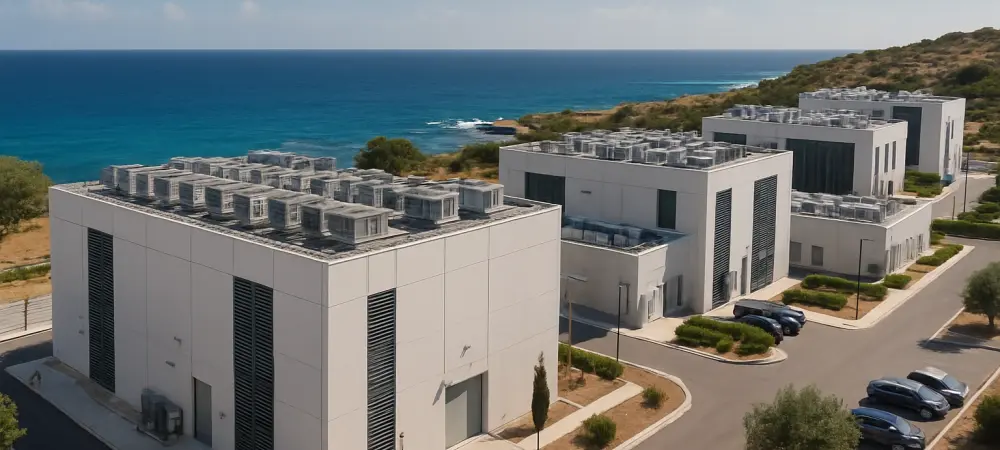
Imagine a region once celebrated for its historic ports and sun-drenched coastlines now powering the digital backbone of Europe, as Mediterranean cities like Marseille, Barcelona, Genoa, and Crete rapidly transform into critical data center hubs driven by an unprecedented surge in global data demand. With cloud computing and AI reshaping industries, the strategic importance of these locations cannot be overstated. This roundup gathers insights from industry analysts, operators, and sustainability experts to explore why this shift is happening, what challenges lie ahead, and how stakeholders are navigating this digital evolution. The purpose is to distill diverse perspectives into a comprehensive view of this emerging trend.
Connectivity: The Digital Bridge Between Continents
Industry observers consistently point to connectivity as a primary factor behind the rise of Mediterranean data hubs. Analysts emphasize that the region’s proximity to subsea cable landings creates unparalleled access to international data flows. Cities like Marseille, with a dozen active cable connections, serve as gateways linking Europe to Africa and Asia, making them indispensable for cloud services and content delivery. This unique positioning is seen as a competitive edge over traditional European centers.
In contrast, some infrastructure specialists highlight potential vulnerabilities in this connectivity model. Concerns arise over the heavy reliance on specific cable routes, which could become bottlenecks or targets in geopolitical conflicts. A balanced view suggests that while the connectivity advantage is clear, operators must diversify pathways to mitigate risks and ensure uninterrupted data exchange across continents.
Further insights reveal how smaller markets like Crete are gaining traction due to their strategic location. Experts note that Crete’s role as a link between Southern Europe and the Middle East is attracting investment, with upcoming cable projects set to enhance its status. This diversity of opinion underscores a broader consensus: connectivity is both a strength and a challenge requiring careful strategic planning.
Green Energy: Sustainability as a Competitive Advantage
Sustainability experts are vocal about the Mediterranean’s edge in renewable energy, viewing it as a key driver for data center growth. The region’s access to solar, wind, and other clean energy sources—such as offshore wind farms near Marseille and a low-carbon energy mix in Barcelona—positions these cities as leaders in eco-friendly operations. Many in the field praise the commitment of major players to power purchase agreements that prioritize renewables, aligning with global environmental goals.
However, energy consultants caution that scaling renewable integration to meet soaring data demands is no small feat. The challenge lies in balancing high energy consumption with consistent supply, especially during peak usage periods. Some argue that while the intent is commendable, the infrastructure for fully sustainable operations is still a work in progress, necessitating innovation in energy storage and grid reliability.
A differing perspective from facility designers highlights practical steps being taken. Modular designs and energy-efficient cooling systems are increasingly adopted to reduce environmental impact. This proactive approach, they argue, not only addresses energy concerns but also builds trust with local communities wary of industrial expansion. The varied viewpoints converge on the idea that sustainability is a defining feature, though execution remains complex.
Infrastructure Growth: Building for a Digital Tomorrow
Data center operators offer optimistic takes on the rapid infrastructure expansion across the Mediterranean. Significant capacity increases, such as Marseille’s robust IT power and Crete’s remarkable growth rates, reflect a response to escalating digital needs. Industry leaders note that investments from global tech giants are fueling this boom, with new facilities in Barcelona and Genoa diversifying Europe’s data landscape away from saturated markets.
Yet, some market analysts warn of the risks tied to this aggressive growth. Overbuilding could lead to underutilized facilities if demand forecasts falter, while regulatory hurdles in certain regions may slow project timelines. These cautionary voices stress the importance of aligning expansion with long-term projections to avoid financial strain or market saturation.
A third angle comes from regional planners, who advocate for smaller, agile hubs as a solution. They suggest that markets like Crete offer cost-effective opportunities for scalable growth, avoiding the congestion of larger centers. This spectrum of opinions reveals a shared recognition of infrastructure as a cornerstone of the region’s digital ascent, tempered by calls for strategic foresight.
Community and Environment: Striking a Delicate Balance
Local advocacy groups and community consultants shed light on the tensions between data center expansion and regional priorities. In Marseille, projects have faced pushback over land use and environmental concerns, prompting experts to call for transparent dialogue with residents. Many believe that addressing these sensitivities head-on is crucial to maintaining public support and ensuring sustainable development.
Operators, on the other hand, share strategies for minimizing impact, such as retrofitting existing industrial sites instead of developing new land. They argue that these efforts, combined with commitments to renewable energy, can alleviate concerns while meeting growth targets. This perspective emphasizes adaptability as a way to harmonize industrial goals with local values.
Sustainability advisors add that fostering trust requires more than just technical solutions; it demands cultural integration. They recommend community benefit programs and clear communication about economic advantages like job creation. Across these insights, there’s agreement that balancing growth with social and environmental harmony is essential for the region’s long-term reputation as a responsible digital hub.
Summing Up the Mediterranean Digital Shift
Reflecting on this roundup, the discussions illuminate how Mediterranean cities have emerged as data center powerhouses through strategic connectivity, renewable energy adoption, infrastructure investment, and nuanced community engagement. Diverse perspectives from analysts, operators, and advocates paint a picture of opportunity tempered by challenges, from geopolitical risks in connectivity to the complexities of scaling sustainable power. These insights underscore that success hinges on innovative solutions and stakeholder collaboration. For those looking to dive deeper, exploring reports on subsea cable networks or regional energy policies could provide valuable context. Moving forward, stakeholders might consider prioritizing green partnerships, investing in local dialogue, and leveraging smaller markets for cost-effective growth to sustain this momentum.