

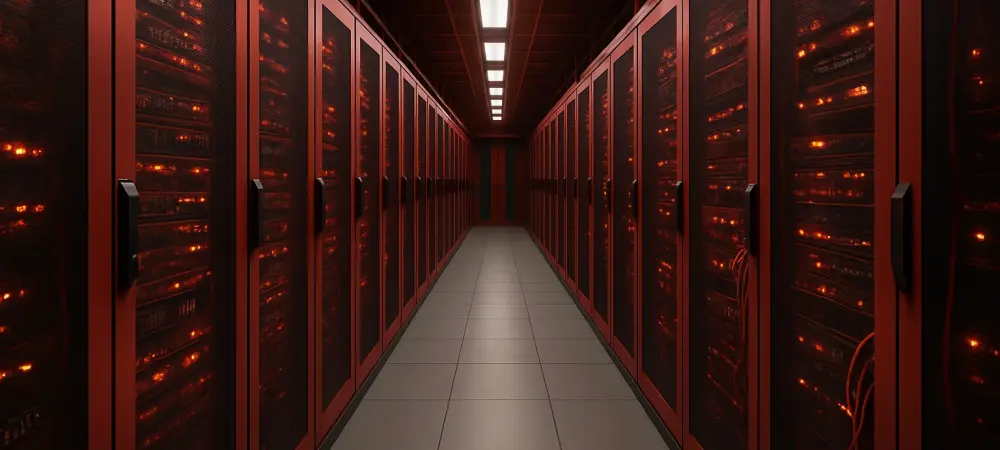
In a quiet corner of Racine County, just 17 miles south of downtown Milwaukee, a massive 244-acre data center campus is being proposed in Caledonia, Wisconsin, sparking both curiosity and concern among locals. This ambitious project, dubbed “Project Nova” in village documents, aims to rezone agricultural land into a light manufacturing zone to make way for three data center buildings and a 15-acre electrical substation. Owned by a prominent energy provider, the land sits strategically near existing power infrastructure, which could be a game-changer for the energy-intensive demands of such a facility. While specific details about timelines and the potential operator remain under wraps, the proposal has already drawn significant attention from the community and village officials. As Wisconsin emerges as a hotspot for tech infrastructure, this development could signal a new era for the region, raising questions about economic growth, environmental impact, and the balance between industrial progress and local interests.
Powering Progress with Strategic Location
One of the most compelling aspects of this proposed data center campus is its proximity to substantial energy resources in Caledonia, adjacent to a major coal-powered facility with a capacity of 610 MW and another generating station rated at 1.2 GW. While the coal plant was initially set to retire soon, its operation has been extended to the end of 2026, and the nearby station is transitioning to natural gas, reflecting a shift toward cleaner energy sources. This infrastructure offers a unique advantage, as data centers require vast amounts of electricity to operate servers and maintain cooling systems. The strategic positioning near these power sources could reduce operational costs and ensure a reliable energy supply, making the site an attractive option for tech companies looking to expand. However, this also raises concerns about the environmental footprint of such a large-scale project, especially given the ongoing reliance on fossil fuels during the transition period. As village officials deliberate, the interplay between energy availability and sustainability will likely shape the discourse around approval.
Balancing Economic Promise and Community Concerns
The rezoning proposal for the 244-acre site has already stirred debate within the Caledonia community, with over a dozen residents expressing their views during a recent planning commission meeting. The commission chose to postpone their recommendation, seeking additional information before making a decision, which highlights a cautious approach to this transformative project. This delay reflects the broader tension between the potential economic benefits—such as job creation and increased tax revenue—and the possible drawbacks, including noise, traffic, and environmental impacts. Across Wisconsin, the surge in data center developments by major tech players underscores a growing trend, positioning the state as a key player in the digital economy. Yet, for Caledonia, the challenge lies in ensuring that local voices are heard and that the project aligns with community values. Looking back, the careful evaluation by village officials demonstrated a commitment to balancing progress with responsibility, setting a precedent for how such initiatives are handled in the region. Moving forward, transparent dialogue and thorough impact assessments will be crucial to shaping a future that benefits all stakeholders.