

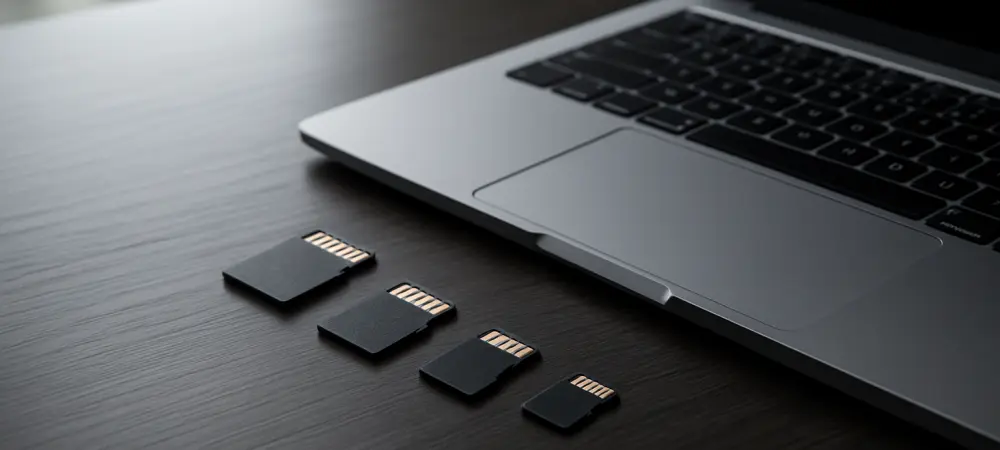
While the tiny chips of silicon tucked inside our most essential devices often go unnoticed, the catastrophic reality of silent data failure can turn a routine commute or a critical security recording into a digital nightmare. This hidden vulnerability in flash storage prompted a massive, ongoing endurance experiment involving 351 cards from 52 different brands. The objective is simple yet brutal: subject every card to continuous write, verify, and erase cycles until the hardware reaches a point of total collapse.
To facilitate this grueling data collection, the testing infrastructure utilizes a sophisticated array of mini-PCs and high-performance gaming laptops. This hardware maintains a relentless workload, pushing flash memory far beyond the typical demands of a smartphone or a handheld camera. By documenting every sector error and hardware lock, the project exposes the actual physical limits of the storage media we rely on daily.
The 351-Card Endurance Experiment: Pushing Flash Memory to the Brink
The methodology of this torture test centers on high-intensity stress that mimics years of usage in a matter of months. Each card undergoes a constant stream of data writes followed by immediate verification to ensure the integrity of the storage cells. If a card fails to verify a write or enters a permanent read-only state, it is officially declared dead, providing a definitive data point for its total lifespan.
This exhaustive process requires significant computing power, utilizing hardware from brands like Beelink and MSI to manage dozens of simultaneous streams. The experiment highlights the transition of flash memory from a reliable tool to a failing component. By running these cards until they literally can no longer function, the study provides a rare look at the failure curves of various manufacturing batches.
Why Your Choice of MicroSD Matters in a Data-Heavy World
There is a significant gap between casual file storage and the high-intensity demands of modern logging. Consumer cards are often designed for burst usage, such as taking photos, whereas dashcams and security servers require a constant, unwavering stream of data. Choosing the wrong tier of storage can lead to “read-only” locks, where the card effectively bricks itself to protect remaining data, rendering the device useless for future recording.
Marketing often obscures the quality of the internal silicon, making it difficult for buyers to distinguish between a cheap budget card and a truly high-endurance alternative. Understanding the three tiers—consumer, high-endurance, and industrial—is essential for matching a card to its specific purpose. Without this distinction, critical data in infrastructure projects remains at a high risk of being lost during a silent failure event.
Survival of the Fittest: Top Performers and Shocking Failures
The results revealed that brand reputation does not always correlate with extreme durability. PNY, Kingston, and Samsung emerged as overachievers, with many of their consumer-grade cards holding ground against much more expensive competitors. In a surprising turn, Amazon Basics cards demonstrated incredible resilience, surviving over 16,600 cycles across more than 780 days of continuous abuse, proving that some budget options harbor high-quality silicon.
Conversely, several established names struggled significantly under sustained stress. SanDisk and ADATA were among those that underperformed in specific categories, often failing well before their competitors. The data trend indicates that the average consumer card typically collapses after 10,000 cycles. These findings suggest that while budget cards can occasionally surprise, industrial-grade options remain the only consistent choice for those requiring maximum reliability.
Expert Insights into Internal Hardware Consistency
Internal hardware consistency is often the deciding factor in card longevity, yet it remains hidden from the average consumer. Observations from the testing process suggest that budget brands frequently engage in “component swapping,” where the internal flash controller or NAND type may change between different production batches of the same model. This volatility makes it difficult to guarantee that a card purchased today will perform identically to one bought a year ago.
The flash controller acts as the brain of the microSD, managing how data is distributed across the silicon to prevent uneven wear. High-quality controllers are more likely to implement a “read-only” safety net gracefully, allowing users to recover their data before the card becomes completely unresponsive. As memory prices fluctuate, the pressure on manufacturers to cut costs can lead to a decrease in the overall endurance of the internal hardware.
Practical Strategies for Selecting Reliable Storage
The results of these extensive trials provided a clear roadmap for anyone looking to secure their digital assets against physical degradation. It became evident that matching the specific card to the anticipated workload was the only way to prevent premature failure. For high-intensity environments like dashcams or continuous server logging, investing in high-endurance or industrial-grade silicon emerged as the most cost-effective long-term strategy.
Users who monitored their card health through diagnostic software avoided catastrophic data loss by identifying sectors that approached their write-cycle limits. The “Dashcam Rule” established that high-endurance cards became a non-negotiable requirement for loop recording environments. These findings ultimately empowered consumers to look past marketing logos and prioritize the internal hardware consistency required for modern, data-heavy applications.