

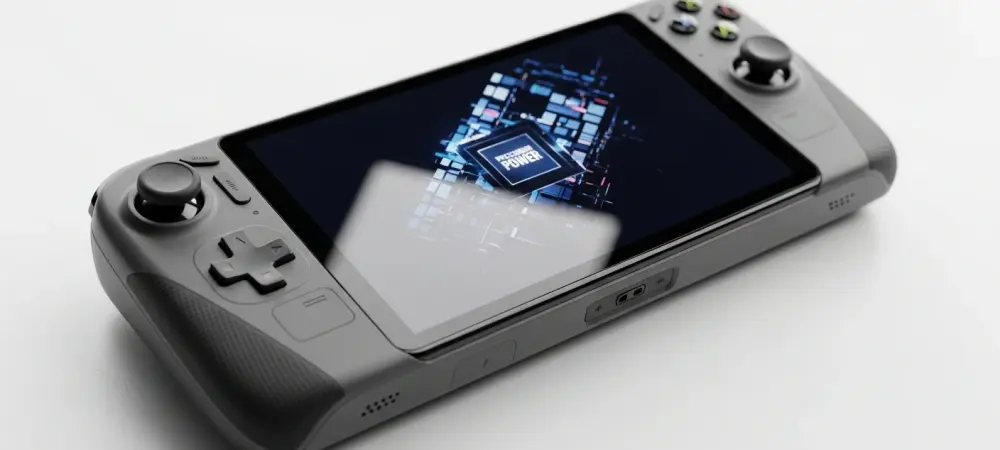
The historical barrier between high-performance Windows gaming and the open-source flexibility of Linux is rapidly dissolving as Valve pushes the boundaries of compatibility layers with its latest software release. With the arrival of the Proton 11.0 Beta 1, the landscape of the Steam Deck and traditional desktop Linux environments has undergone a significant transformation that prioritizes technical efficiency over simple emulation. This update represents more than just a routine increment; it reflects a sophisticated maturation of the software stack required to run modern, resource-heavy titles. As the industry moves further into 2026, the demand for seamless cross-platform performance has never been higher, and this new iteration addresses that need by bridging the gap between direct system calls and translated commands. By focusing on the underlying architecture of how games interact with hardware, Valve is ensuring that the Linux ecosystem remains a formidable competitor to traditional operating systems.
Architectural Foundations: The Shift to Wine 11
The cornerstone of this significant update is the comprehensive rebasing of the compatibility layer onto the Wine 11 framework, which serves as the fundamental engine for Windows-to-Linux translation. This transition introduces critical architectural improvements that allow the Steam Deck and other Linux distributions to handle complex application logic with far greater precision than previous versions. One of the most impactful technical highlights included in this beta is the full integration of NTSync support, a feature designed to bring Windows NT synchronization behaviors directly into the Linux kernel. By implementing these native synchronization primitives, the system can effectively minimize CPU overhead that was previously dedicated to managing wait-for-object calls. This change directly translates to a much more stable experience for users, as it eliminates the translation layer’s need to simulate these complex behaviors through less efficient methods that often resulted in high latency.
Beyond simple efficiency gains, the integration of NTSync provides a tangible benefit for gamers through a dramatic improvement in frame-time consistency, commonly referred to as frame pacing. This advancement is particularly vital for modern, multi-threaded DirectX titles that have historically suffered from micro-stuttering on Linux-based systems due to timing mismatches between the game engine and the operating system. By resolving these specific synchronization bottlenecks at the kernel level, the Proton 11 update ensures that gameplay remains fluid and responsive even during hardware-intensive scenarios or in environments with high CPU utilization. This shift signals a move toward a deeper level of integration where the software no longer feels like a guest on the platform but rather a native component. The result is a platform that can finally offer a premium experience without the compromises that once defined the early era of gaming on open-source systems.
Graphical Fidelity: Advancing the Vulkan Translation Layer
The modernization of the technical stack continues with the inclusion of updated components such as DXVK 2.78 and the latest VKD3D-Proton modules, which are essential for visual parity. These specialized tools perform the heavy lifting of translating DirectX 9 through DirectX 12 API calls into the Vulkan API, which is the native language of high-performance Linux graphics drivers. By refining these translation pathways, Valve has managed to increase graphical fidelity while simultaneously reducing the performance penalty that typically accompanies real-time API conversion. These improvements are not merely incremental; they represent a fundamental optimization of how shaders and textures are processed by the GPU. Modern titles that rely on complex lighting and heavy geometry now see a more consistent performance profile, ensuring that the visual experience matches the original intent of the developers regardless of the underlying operating system.
Furthermore, this update expands the playable library by incorporating specific fixes for high-profile titles and addressing persistent software hurdles that have frustrated the community. Classic games such as Gothic 1 Classic and the Resident Evil series have been moved into the stable support branch, alongside more modern experiences like Warhammer: Vermintide 2. Perhaps even more importantly, the update targets long-standing “paper cut” issues related to third-party launchers from companies like EA, Rockstar, and Ubisoft. By refining the way REDLauncher and other secondary software interfaces interact with the Linux environment, Valve is removing the secondary barriers that often prevented otherwise functional games from running reliably. These refinements ensure that the user experience remains focused on the content rather than the troubleshooting of the software wrappers, creating a much more polished and accessible environment for the mainstream gaming audience.
Operational Stability: Future Considerations and Implementation
The deployment of the Proton 11 Beta established a new baseline for what enthusiasts expected from high-performance portable and desktop gaming. Users who chose to participate in the testing phase discovered that the transition to the 11.0 branch resolved several legacy bugs that had persisted through the previous year of development. This period of testing focused heavily on ensuring that the new kernel-level synchronization did not introduce regressions in older software, a task that required extensive data collection and community feedback. The move toward total platform parity became increasingly clear as the technical hurdles of the past were methodically dismantled. It was no longer enough for a game to simply run; it had to perform with the same reliability found on a native Windows installation. This focus on the “last mile” of optimization helped solidify the reputation of the Linux ecosystem as a viable, and in some cases superior, alternative for dedicated gamers.
Looking ahead, the most effective path for users involved monitoring the compatibility reports and ensuring their kernel versions were updated to support the new NTSync features. Developers were encouraged to leverage these improved synchronization primitives to further optimize their titles for the Steam Deck hardware. Future iterations will likely continue to refine the interaction between the translation layer and the specialized hardware of handheld devices, focusing on power efficiency alongside raw performance. As the software matured, the focus shifted from basic functionality toward a cohesive and polished ecosystem that catered to both power users and casual players. The success of this beta phase demonstrated that the gap between different operating systems was a matter of software engineering rather than an inherent limitation of the hardware. The technical community viewed these developments as the final steps toward a world where the choice of an operating system no longer dictated the quality of the gaming experience.