

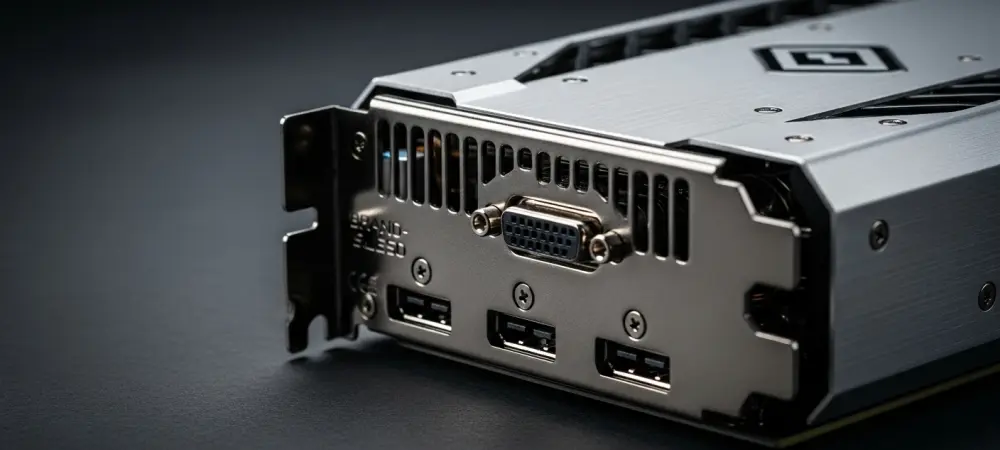
The rapid pace of technological advancement in the early part of this decade left many PC enthusiasts wondering if their expensive hardware would become obsolete within just a few years of its initial release. This concern was particularly prevalent during the early 2020s when rapid architectural leaps and the heavy demands of ray tracing made older hardware feel insufficient for the latest software. However, the current landscape of 2026 has provided a different narrative, revealing that the forced upgrade cycle has slowed significantly as software optimization matures. A recent retrospective analysis by industry experts has put older graphics processing units to the test against the most demanding AAA titles currently available, such as Forza Horizon 6 and Resident Evil Requiem. The findings suggest that the perceived expiration date for mid-to-high-end components was perhaps premature, thanks largely to the evolution of intelligent upscaling and developer ingenuity. These legacy cards are proving that they still possess enough processing power to deliver a high-quality experience, challenging the traditional notion that a system must be replaced every two years to remain relevant. By examining the performance of hardware that many had written off, it becomes clear that the PC gaming ecosystem is entering a period of unprecedented longevity for existing components.
Analyzing the Legacy Lineup
The Hardware Candidates: Selection and Methodology
To accurately assess how aging components perform in the modern gaming environment, the study focused on four key graphics cards released between 2019 and 2021 that were once staples of the market. The selection included the GTX 1660 Ti, the RTX 2070 SUPER, the Radeon RX 5700 XT, and the RTX 3070, representing a cross-section of budget, mid-range, and high-end tiers from their respective eras. To ensure the results reflected a realistic user experience rather than a sanitized laboratory environment, these cards were paired with a mid-range Ryzen 5 3600X processor. This specific combination simulates a typical mid-to-high-end gaming build from half a decade ago, providing a clear picture of how a system that has not seen a major hardware refresh in several years handles the rigorous demands of contemporary game engines. The testing focused on frame stability, visual fidelity at varying resolutions, and the impact of modern software-based performance boosters that were not necessarily available when these cards first launched.
Realistic Testing: The Mid-Range Desktop Environment
The choice of the Ryzen 5 3600X as the companion processor was deliberate, as it represents the “workhorse” CPU of its time and remains widely used in many active gaming systems today. By avoiding the use of a flagship 2026 processor, the testers prevented artificial bottlenecks or performance inflation that would not be representative of the average consumer’s reality. The environment was standardized with 16GB of DDR4 memory and SATA-based SSD storage, ensuring that the graphics cards remained the primary variable under scrutiny. This setup allowed researchers to observe how older architectures interact with modern APIs and resource-heavy assets like high-resolution textures and complex geometry. The goal was to determine if these older systems could maintain the 60 frames per second standard that has long been the benchmark for a playable and enjoyable gaming experience. By testing across a variety of genres, from open-world racing to atmospheric horror, the study provided a comprehensive look at the limits of hardware that many previously considered to be at the end of its functional life.
Performance Breakdown of 2019 and 2020 Veterans
The Enduring Viability: Budget and Mid-Range Resilience
The GTX 1660 Ti, now roughly seven years old, serves as the baseline for budget longevity in the current gaming landscape and provides an interesting case study in architectural resilience. While this card can no longer tackle 1440p resolutions with ease in modern titles, it remains a surprisingly strong performer at 1080p when utilized alongside current upscaling tools. In titles like Pragmata, the card initially struggled to maintain a consistent output, but the application of FSR 3.1 and Frame Generation allowed it to jump from a native 58 frames per second to a fluid 93 frames per second. This significant boost demonstrates that even cards without dedicated ray-tracing hardware can still provide a premium experience at the most common gaming resolution. It highlights a shift in how performance is measured, moving away from pure raw throughput toward a synergy between hardware and sophisticated software layers. For the budget-conscious gamer, this card remains a functional tool that avoids the need for a costly transition to newer, entry-level hardware that may offer only marginal improvements in actual gameplay feel.
Managing VRAM Limitations: Strategies for Older Architectures
Stepping up to the RTX 2070 SUPER reveals how software advancements like DLSS 4.5 can act as a vital life-extension tool for hardware that was once considered top-tier. Despite the 6GB VRAM limitation of this card, which many industry analysts predicted would be its ultimate downfall in the face of modern asset-heavy games, the card continues to function as a reliable 1440p performer. The key to this sustained relevance lies in the user’s willingness to prioritize “High” settings over the “Ultra” presets that often consume excessive memory for minimal visual gain. By using balanced upscaling modes, players can maintain stable frame rates in Forza Horizon 6 while preserving high visual fidelity, keeping this veteran card competitive in current hardware surveys. Meanwhile, the AMD Radeon RX 5700 XT offers a different perspective, benefiting from its larger 8GB VRAM buffer compared to some of its NVIDIA contemporaries. Although it lacks the advanced ray-tracing features of more modern series, it holds its own in 2026 titles by relying on FSR to bridge the performance gap, proving that raw memory capacity still plays a crucial role in hardware longevity.
The Gold Standard of Aging Performance
Pushing High-End Limits: The RTX 3070 Experience
Five years after its highly anticipated launch, the RTX 3070 has emerged as the definitive benchmark for aging hardware that can still handle the most advanced features of modern gaming. It stands as the only card in the specific test group capable of running 2026 AAA games with ray tracing enabled at respectable and consistent frame rates. In demanding environments like those found in Forza Horizon 6, the card achieved over 60 frames per second at 1440p with High settings and active Ray Tracing, provided that DLSS was set to its Quality mode. This performance showcases the enduring power of the Ampere architecture and suggests that the leap in hardware capability during that period was more significant than many realized at the time. The RTX 3070 effectively bridges the gap between legacy systems and the modern requirements of 2026, offering a level of visual immersion that typically requires a much newer investment. Its ability to handle complex lighting and reflections without collapsing into unplayable frame rates makes it a rare example of a mid-tier card that has aged gracefully into a high-performance role.
Technical Ingenuity: Mixing Software for Maximum Output
Innovative technical approaches have also played a significant role in the continued success of the RTX 3070, particularly through what enthusiasts refer to as “cross-vendor synergy.” In games like Resident Evil Requiem, testers discovered that they could achieve superior results by combining NVIDIA’s DLSS for image reconstruction with AMD’s FSR Frame Generation software. This “best of both worlds” approach allowed the card to hit 75 frames per second on High presets with ray tracing enabled, demonstrating that savvy users can squeeze even more life out of their hardware by mixing and matching available software technologies. This phenomenon indicates a move away from locked ecosystems where a user was restricted to the tools provided by their specific GPU manufacturer. Instead, the current era of PC gaming encourages the use of any available software tool to overcome hardware limitations. This flexibility has transformed the RTX 3070 from a card nearing retirement into a versatile powerhouse that continues to punch well above its weight class in the most demanding scenarios the industry has to offer.
A Shift in the PC Gaming Industry
Why the Mandatory Upgrade Cycle is Fading
The most significant takeaway from the 2026 gaming landscape is that raw hardware power is no longer the sole arbiter of performance or a card’s actual utility. AI-driven upscaling technologies like DLSS 4.5 and FSR 3.1 have effectively detached a card’s age from its viability by providing a substantial performance buffer against increasingly complex game engines. These tools allow older GPUs to handle tasks that would have been mathematically impossible only a few years ago, effectively extending the functional lifecycle of a graphics card by several years. Furthermore, developers have become much more adept at optimizing their engines for a wider range of hardware to maintain the largest possible player base in a competitive market. The focus has shifted away from the “Ultra” preset and 4K resolution as the only acceptable standards for a high-quality gaming experience. By targeting 1080p or 1440p and choosing “High” settings, gamers are discovering that the visual difference is often negligible to the human eye, while the performance gains are massive, allowing them to skip multiple hardware generations without feeling left behind.
Strategic Approaches: Sustaining Hardware Value and Performance
To maintain the longevity of these aging systems, several practical steps were identified that significantly improved the overall user experience and hardware stability. Users who regularly performed internal maintenance, such as re-pasting the GPU thermal compound and thoroughly cleaning dust from cooling fins, avoided the thermal throttling that often plagues older systems. Additionally, the strategic management of driver updates and the use of third-party software to undervolt components helped in maintaining consistent clock speeds without excessive heat generation or power consumption. The transition to a “maintenance-first” mindset allowed gamers to extract the maximum possible value from their initial investments while waiting for truly transformative hardware shifts. Developers played their part by ensuring that legacy support remained a priority, often releasing specific “compatibility modes” for older architectures in major game updates. This collaborative environment between manufacturers, developers, and users successfully pushed the boundaries of what was once considered “obsolete” technology. By focusing on these actionable maintenance steps and software optimizations, the need for frequent and expensive hardware replacements was effectively minimized, marking a new era of sustainable PC gaming.