

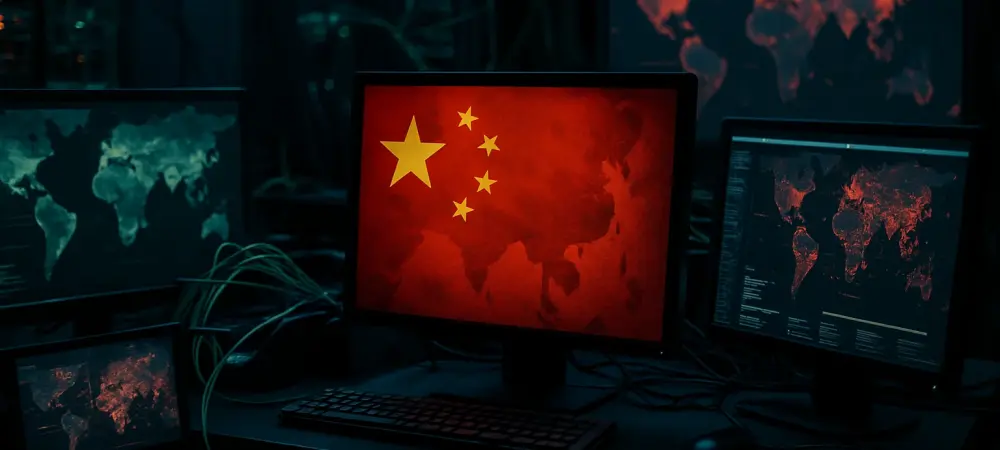
Imagine a hidden digital war unfolding beneath the surface of everyday life, where critical infrastructure—telecommunications, transportation, and more—is silently infiltrated by state-backed hackers. This alarming reality has come to light through a joint advisory from the United States and 12 allied nations, exposing a sprawling cyber campaign by Chinese government-linked actors targeting over 80 countries. With more than 200 US entities alone under siege, the stakes for global security and privacy have never been higher. This roundup dives into diverse perspectives from government agencies, industry leaders, and cybersecurity specialists to unpack the scope of this threat, compare varying viewpoints on its implications, and gather actionable tips for defense.
Examining the Scale and Intent of the Cyber Campaign
The breadth of this China-linked cyber offensive has stunned observers across multiple sectors. Reports from allied nations’ intelligence agencies, including those in the Five Eyes alliance, describe an operation that transcends typical espionage, with hackers penetrating critical sectors to extract sensitive data like phone records and location information. The consensus among these sources is that such indiscriminate targeting signals an intent to undermine global privacy norms on an unprecedented scale.
Differing views emerge, however, on whether this campaign constitutes a new form of cyber warfare. Some government bodies argue that the focus on infrastructure suggests preparation for potential disruption during geopolitical conflicts. In contrast, certain industry analysts emphasize the intelligence-gathering aspect, suggesting that stolen data primarily serves surveillance purposes rather than immediate sabotage. This divergence highlights a broader debate about the strategic goals behind these intrusions.
A striking point of agreement across perspectives is the audacity of the operation, often linked to specific campaigns like Salt Typhoon. Agencies note that the sheer number of affected countries and entities points to a highly coordinated effort. This observation fuels discussions on how such extensive reach challenges existing international agreements on cyberspace behavior, pushing for stronger global responses.
Role of Commercial Entities in State-Sponsored Attacks
A particularly contentious aspect of this cyber campaign is the involvement of Chinese commercial firms in facilitating state-sponsored hacking. Official advisories from multiple nations have pointed to specific companies as collaborators, enabling malicious activities through technological support and infrastructure access. This complicity has drawn sharp criticism from international cybersecurity bodies, which view it as a dangerous erosion of boundaries between government and private sector roles.
Opinions split on how to address this issue effectively. Some government representatives advocate for strict sanctions and diplomatic measures to hold both state and corporate actors accountable. On the other hand, a segment of industry experts cautions that punitive actions alone may drive such activities further underground, making them harder to track. They propose engaging with tech communities in affected regions to disrupt these partnerships through awareness and alternative incentives.
The real-world impact of this blurred line remains a focal point of concern. Reports from affected countries suggest that commercial involvement amplifies the scale and persistence of attacks, allowing hackers to exploit trusted networks for deeper access. This dynamic raises pressing questions about global accountability standards, with many voices calling for revised international frameworks to address hybrid threats involving private entities.
Technical Sophistication and Defensive Challenges
Delving into the methods behind these intrusions, cybersecurity specialists highlight the hackers’ profound expertise in telecommunications systems as a key enabler of their success. Government reports detail tactics such as router manipulation and sustained network access, which allow attackers to evade detection for extended periods. This technical mastery poses a formidable challenge to traditional security measures across regions like the US, Europe, and Asia.
Perspectives vary on the adequacy of current defenses against such advanced threats. Some industry leaders argue that legacy systems and protocols are fundamentally ill-equipped to counter these persistent intrusions, advocating for a complete overhaul of cybersecurity architecture. Others, including certain agency officials, believe that enhancing existing frameworks with targeted updates—such as improved threat hunting—can still yield results, provided there is swift implementation.
A common thread among these insights is the need for innovation in response strategies. Experts across the board stress that regional differences in infrastructure vulnerabilities must be accounted for when designing countermeasures. For instance, while US systems may face specific router-based exploits, European networks might grapple with distinct data exfiltration methods. This complexity underscores the urgency of tailored, adaptive solutions over one-size-fits-all approaches.
Global Collaboration and Strategic Responses
The international response to this cyber threat showcases a rare unity among nations, with the US, Five Eyes partners, and countries like Germany and Japan joining forces through a comprehensive advisory. Government sources describe this coalition as a critical step toward countering state-sponsored aggression, emphasizing the shared intelligence and resources that have emerged from this collaboration. The advisory itself serves as a vital tool, offering defenders detailed guidance on attacker tactics.
Contrasting opinions surface regarding the long-term impact of this unified front. Some cybersecurity professionals view it as a potential blueprint for future international policies, predicting that sustained cooperation could redefine global norms for cyber defense. Others express skepticism, warning that political and economic differences among allies might hinder consistent action over time. They suggest that maintaining momentum will require binding commitments beyond public statements.
An often-cited strength of this collaborative effort is its focus on empowering network defenders. Agencies and private sector voices alike praise the actionable recommendations provided, from specific security protocols to proactive monitoring techniques. This emphasis on practical support reflects a collective recognition that combating such threats demands not just policy alignment but also grassroots-level resilience among organizations worldwide.
Key Takeaways and Protective Measures
Synthesizing these diverse insights reveals several critical lessons about the China-linked cyber campaign. The consensus points to an operation of staggering scope, fueled by state-commercial partnerships and advanced technical skills, that threatens infrastructure and privacy globally. While opinions differ on intent and response strategies, there is unified concern about the violation of cyberspace norms and the urgent need for robust defenses.
Practical tips for mitigation emerge as a valuable outcome of this roundup. Government advisories recommend proactive threat hunting and the adoption of specific network security measures to detect and block malicious activity. Industry specialists complement this advice by urging organizations to prioritize cross-border knowledge sharing, ensuring that lessons learned in one region benefit others facing similar risks.
Another actionable insight focuses on fostering resilience at all levels. Experts advocate for regular updates to security protocols, tailored to address evolving attacker methods, alongside investment in training for IT teams. This combination of technical and human-focused strategies is seen as essential for staying ahead of sophisticated threats that show no signs of abating.
Reflecting on a Unified Stand Against Cyber Threats
Looking back, the collective response to the China-linked cyber campaign stands as a testament to the power of international collaboration in tackling a borderless digital threat. The insights gathered from government bodies, industry leaders, and cybersecurity specialists paint a sobering picture of persistent, state-backed intrusions that demand urgent attention. Moving forward, organizations and nations are encouraged to build on this momentum by integrating the advisory’s mitigation strategies into their security frameworks. A deeper exploration of innovative technologies and tighter global partnerships is also advised to anticipate and neutralize future escalations. This ongoing commitment to vigilance and cooperation remains a cornerstone for safeguarding critical infrastructure in an increasingly interconnected world.