

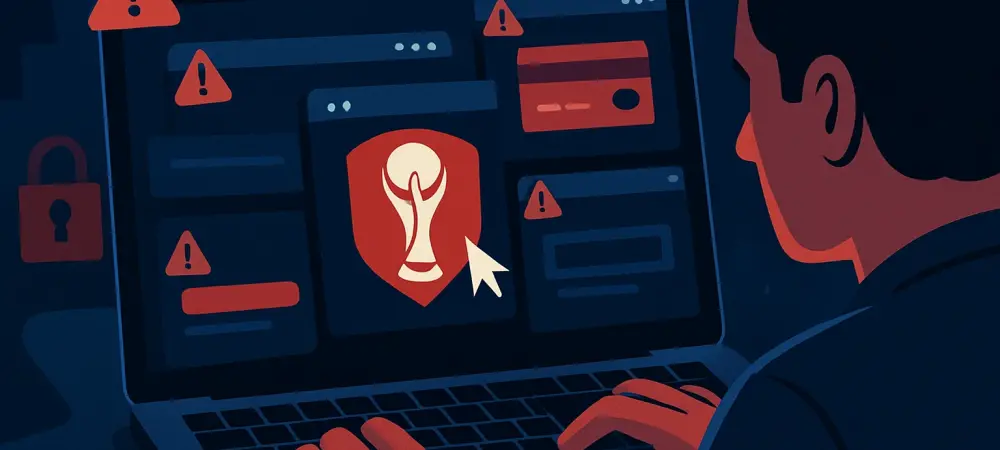
As the excitement builds for major soccer tournaments like the FIFA World Cup, particularly with the 2026 event co-hosted by the United States, Canada, and Mexico on the horizon, a darker side of fandom emerges in the form of online scams. Cybercriminals are quick to exploit the passion of soccer enthusiasts, crafting sophisticated schemes to deceive both fans and businesses. From fake streaming services to counterfeit ticket sales, these frauds capitalize on the anticipation surrounding global sporting events. Reports from threat research teams, such as PreCrime Labs at BforeAI, indicate a sharp rise in malicious online activity targeting unsuspecting individuals. This surge in fraudulent domains and phishing attempts serves as a stark reminder of the need for vigilance. With the emotional and financial stakes high, understanding the nature of these scams and learning how to avoid them becomes paramount for anyone eager to engage with the world’s most celebrated soccer tournament.
Rising Threats in the Digital Arena
The digital landscape transforms into a battleground during major soccer events, with cybercriminals registering hundreds of suspicious domains in mere days to trap eager fans. Between August 8 and August 12, nearly 300 fraudulent websites surfaced, many mimicking official platforms or targeting specific host cities like Dallas, Atlanta, and Kansas City for the 2026 tournament. These sites often replicate trusted brands such as FIFA or Visa through counterfeit logos and branding, creating an illusion of legitimacy. The scams range from offering non-existent streaming services for live matches to selling fake merchandise like jerseys and scarves. Beyond individual fans, businesses also fall prey to deceptive campaigns promising advertising opportunities in fabricated directories. The scale of this issue is evident in the sheer volume of malicious activity, which spikes predictably around high-profile tournaments, exploiting the trust and excitement of the global soccer community with alarming precision.
Another alarming trend is the strategic manipulation of search engine results and social media platforms to amplify the reach of these fraudulent sites. Scammers employ trending keywords and even celebrity images to lure users into their traps, boosting visibility and credibility in the eyes of unsuspecting victims. A notable example includes a site posing as a “FIFA World Cup Schedule,” which promises match details but redirects users to unauthorized betting pages. Similarly, phishing schemes disguised as fan guides or event schedules aim to harvest personal and financial information under the guise of providing useful content. These tactics demonstrate a deep understanding of fan behavior, preying on the urgency to secure tickets or access live streams. As cybercriminals refine their methods, the importance of sticking to verified sources for information and purchases cannot be overstated, especially during the heightened anticipation of global soccer events.
Diverse Scams Targeting Soccer Enthusiasts
The variety of scams targeting soccer fans is staggering, encompassing everything from fake ticketing platforms to counterfeit merchandise sales. Unauthorized websites often feature prominent “Buy Tickets” buttons, exploiting the eagerness of fans to attend live matches at the 2026 FIFA World Cup. These platforms promise access to coveted seats but deliver nothing in return, leaving victims out of pocket and heartbroken. Additionally, phishing pages masquerading as legitimate resources, such as electric vehicle charging maps for tournament host cities, target businesses with false promises of partnerships or visibility. Such schemes are designed to steal sensitive data, which can later be used for further fraud. The emotional toll of missing out on a once-in-a-lifetime event, coupled with financial loss, underscores the devastating impact of these scams, making awareness and caution critical for anyone engaging with World Cup-related content online.
Beyond individual fans, broader phishing campaigns also aim at businesses with deceptive offers that seem too good to be true. Fraudulent directories and lead-generation pages often charge fees for non-existent advertising opportunities tied to major tournaments. A report from Lloyds Bank in the U.K. highlighted a 33% increase in ticket scams during the 2023/24 soccer season compared to the prior year, illustrating the growing scale of this problem. Fraud prevention experts, like Liz Ziegler from Lloyds, emphasize the emotional devastation when fans lose money on fake tickets, especially for significant events. The advice remains consistent: avoid deals found on social media or unsolicited messages, as these are frequent breeding grounds for impostors. With cybercriminals continuously adapting their tactics to exploit both fans and businesses, staying informed about the latest scam trends and relying solely on official channels for transactions is the best defense.
Safeguarding Passion Against Fraud
Looking back, the wave of fraudulent activity during past soccer seasons served as a harsh lesson in the importance of digital vigilance. Cybercriminals had exploited predictable spikes in fan interest, setting up intricate fraud infrastructures around events like the Club World Cup and Men’s World Cup preparations. Their tactics, ranging from fake streaming services to unauthorized ticket sales, revealed a cunning ability to adapt to fan behavior and technological trends. The emotional and financial devastation experienced by victims underscored the critical need for skepticism toward unsolicited offers and unverified platforms. Reflecting on these incidents, it became evident that proactive measures were essential to counter the sophistication of online fraud.
Moving forward, fans and businesses must prioritize actionable steps to protect themselves from evolving threats. Verifying the authenticity of websites before making purchases or sharing personal information is a fundamental safeguard. Official FIFA channels and trusted ticketing partners should be the only sources for match access and merchandise. Additionally, adopting robust cybersecurity practices, such as using secure payment methods and monitoring accounts for unusual activity, can prevent significant losses. As major tournaments approach, staying updated on emerging scam tactics through reliable news sources will empower the soccer community to enjoy the beautiful game without falling victim to digital predators.