

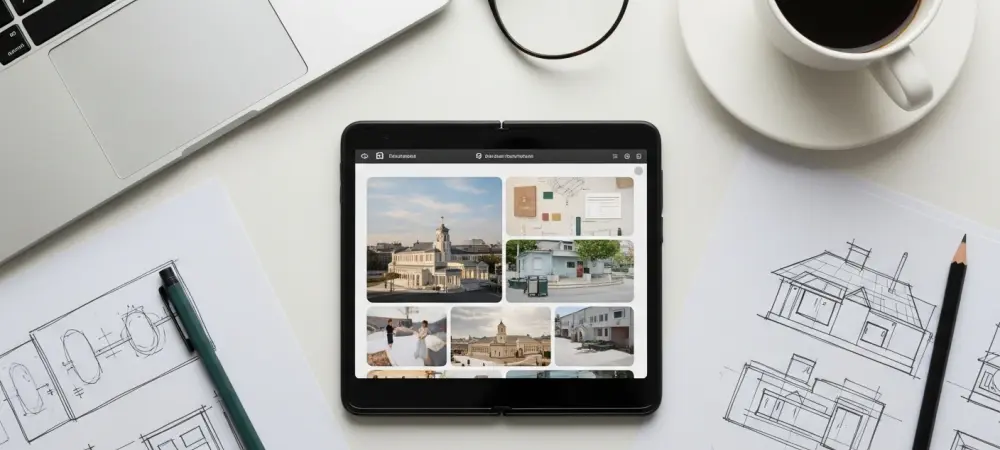
The smartphone industry is currently undergoing a radical transformation as the traditional “remote control” aesthetic gives way to a functional, tablet-first philosophy that prioritizes screen utility. As the foldable market reaches a state of maturity, the emergence of the Huawei Pura X Max signals a pivotal move toward a wide design intended to solve long-standing ergonomic and software compatibility issues. This shift represents more than a simple increase in surface area; it is a calculated effort to bridge the gap between portable handsets and high-performance productivity tools.
The Evolution of the Foldable Form Factor
Market Growth: The Demand for Functional Real Estate
Current adoption statistics indicate a decisive shift from novelty “flip” devices to productivity-oriented “fold” hardware that emphasizes horizontal screen width. Recent industry reports show that users are increasingly seeking mobile solutions capable of replacing small tablets for professional tasks. This demand has pushed manufacturers to move away from narrow aspect ratios that often feel cramped during extended use.
Consumer behavior now reflects a preference for devices that offer a more natural viewing experience. While early foldables focused on the novelty of a shrinking footprint, the current landscape prioritizes maximizing the internal canvas. This transition ensures that digital content remains legible and immersive, satisfying the needs of a workforce that is becoming more mobile and display-dependent.
The Pura X Max: A Shift to Tablet-Like Proportions
The Huawei Pura X Max exemplifies this trend by integrating a massive 7.5-inch internal display alongside a substantial 5.3-inch external cover screen. By adopting these dimensions, Huawei has transformed the foldable from a secondary gadget into a primary workstation. Furthermore, the inclusion of a sophisticated triple-camera system and a diverse palette of premium colors like purple and orange positions the wide design as a lifestyle statement. By establishing this wider footprint, Huawei is effectively setting a new benchmark for the “Galaxy Wide Fold” and other rumored competitors. This strategic move forces the industry to reconsider the utility of the outer screen, which has historically been too narrow for comfortable typing. The result is a device that feels balanced whether it is open or closed, catering to high-end users who refuse to compromise on ergonomics.
Industry Perspectives: Ergonomics and Utility
Tech analysts have noted that the “tall and narrow” frames of previous generations are being phased out because they fail to provide a cohesive typing or browsing experience. Experts suggest that wider frames significantly improve app compatibility by reducing the need for aggressive software scaling. Consequently, professional commentary highlights how a broader cover screen directly correlates with higher user satisfaction and fewer input errors. Huawei’s strategy to accelerate its launch schedule has created a sense of urgency among its rivals to finalize their own wide-aspect prototypes. This aggressive timeline establishes a new standard for foldable dimensions, ensuring that the company maintains a lead in hardware innovation. By addressing the physical limitations of the first generation, manufacturers are finally delivering on the promise of a truly hybrid mobile experience.
Future Implications for the Mobile Industry
Wide designs will inevitably redefine mobile productivity by optimizing split-screen multitasking and complex media consumption. However, this shift introduces engineering hurdles, particularly regarding hinge durability and the management of overall device thickness. Software developers must also adapt, as they are now required to optimize applications for more expansive, square-like ratios that differ significantly from standard smartphone layouts.
This trend will likely influence the product roadmaps of every major player, including those currently observing from the sidelines. As wider foldable displays become the industry standard, even the most conservative brands will be forced to reconsider their hardware geometry. The move toward a broader canvas ensures that smartphones remain the central hub for both personal entertainment and professional output.
Strategic Outlook and Market Transition
The transition from narrow to wide foldable designs successfully addressed the fundamental limitations of early mobile hardware. The Pura X Max proved that tablet-like functionality was a necessary evolution for the high-end market rather than a niche experiment. By prioritizing screen real estate and ergonomic harmony, the industry moved toward a more versatile future where the line between phone and tablet finally vanished. This period established a clear trajectory for the next generation of hardware, ensuring that utility would always dictate form.