

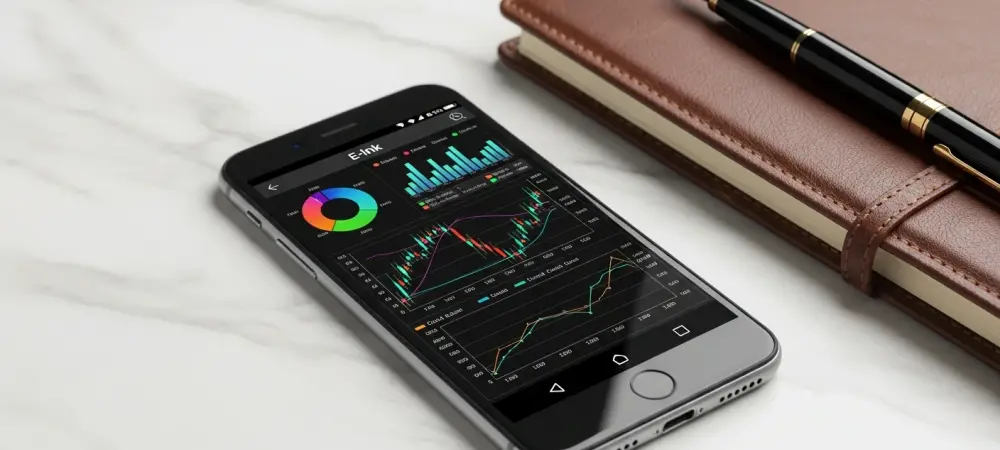
The relentless glare of high-refresh-rate organic light-emitting diode panels has long forced mobile professionals to choose between modern connectivity and their own long-term visual well-being. This persistent trade-off motivated the engineering team at Bigme to develop a sophisticated alternative that prioritizes eye comfort without sacrificing the high-speed data capabilities expected in 2026. By integrating a vibrant color E Ink display into a standard smartphone chassis, the company successfully bridged the gap between traditional digital paper devices and the modern mobile ecosystem. The result is a specialized communication tool that addresses the increasing demand for sustainable screen time and reduced blue light exposure. This development marks a significant shift in how manufacturers perceive the intersection of health-conscious hardware and high-performance mobile computing, providing a dedicated solution for those who spend hours reviewing documents, reading digital manuscripts, or managing complex workflows on the go.
Advanced Visual Architecture: Dual-Screen Dynamics
The primary interface of the HiBreak Dual features a 6.13-inch color E Ink screen that utilizes the latest advancements in electronic paper technology to deliver a paper-like reading experience. With a crisp resolution of 300 pixels per inch for monochromatic content and 150 pixels per inch for color, the panel ensures that text remains sharp while color illustrations or graphs are rendered with sufficient clarity for professional use. Beyond static reading, the display incorporates an active digitizer layer supporting 4,096 levels of pressure sensitivity, allowing users to annotate PDF documents or sketch ideas with remarkable precision using a compatible stylus. This tactile feedback mimics the friction of a pen on paper, which is a critical feature for researchers and editors who require more than just a passive reading surface. Furthermore, the inherent reflective nature of the E Ink technology means that visibility remains perfect even under direct sunlight, where traditional glass-covered liquid crystal displays often fail due to excessive glare.
To compensate for the slower refresh rates typically associated with electronic paper, Bigme strategically placed a secondary 1.85-inch circular LCD panel on the rear of the device. This vibrant auxiliary screen, boasting a resolution of 360 by 360 pixels, functions as a high-speed notification hub that allows users to check incoming alerts, manage music playback, or monitor system status without refreshing the primary E Ink display. This dual-display configuration is particularly effective for photography, as the rear panel doubles as a real-time viewfinder for the primary camera system, ensuring that selfies and high-angle shots are framed correctly. By offloading rapid-motion tasks to this small LCD, the device preserves battery life and reduces the visual ghosting often seen on electronic paper when handling animations or video feeds. This engineering choice reflects a deep understanding of the limitations of current display tech, providing a workaround that maintains the device’s primary goal of eye protection while still offering the utility of a standard smartphone interface for quick interactions.
Hardware Capabilities: Balancing Power and Efficiency
Under the chassis, the smartphone is powered by the MediaTek Dimensity 1080 processor, a chipset that provides a balanced mix of energy efficiency and computational power suitable for a dual-screen device. Consumers can choose between two main hardware configurations to suit their specific multitasking needs: an 8GB RAM model with 128GB of internal storage or a more robust 12GB RAM version paired with 256GB of storage. Recognizing that heavy readers and researchers often maintain vast digital libraries, the manufacturer included a microSD card slot that supports expansion up to 2TB, effectively removing any concerns regarding local data storage limits. This internal hardware suite ensures that the Android 14 operating system runs smoothly, handling modern applications and background processes with minimal latency. Even as software grows more demanding through 2027 and 2028, this baseline performance level remains sufficient for the specialized tasks this device was designed to perform, such as high-level document management and database synchronization. Connectivity remains a cornerstone of the user experience, as the device integrates full 5G support alongside dual-band Wi-Fi and Bluetooth 5.2 for seamless data transfers and accessory pairing. The inclusion of an infrared blaster and NFC capabilities further expands the phone’s utility, allowing it to function as a universal remote control or a digital wallet for contactless payments. For security, a physical fingerprint scanner is integrated into the frame, providing biometric authentication that is both faster and more reliable than the under-display optical sensors often found on traditional flagship phones. The photography suite, while optimized for document scanning and casual use, features a 20MP rear sensor and a 5MP front camera, both of which benefit from the power management provided by the 4,500mAh battery. This battery supports 18W wired charging, a speed chosen to maximize the long-term health of the lithium-polymer cells rather than chasing extreme fast-charging metrics that can lead to heat-induced degradation over several years of consistent daily usage.
Commercial Availability: Strategic Market Integration
The market entry strategy for this specialized device utilizes a tiered promotional pricing structure designed to reward early adopters and enthusiasts of the E Ink ecosystem. While the standard retail price for the entry-level configuration was set at $539, a significant “Super Early Bird” discount brought the initial acquisition cost down to $379 for those participating in the launch phase. Higher-tier models, which include the 12GB of RAM and 256GB storage package, scale up in price and can be bundled with an optional pressure-sensitive stylus and a custom protective case for a total of $689. This pricing model positions the phone as a premium tool for niche professionals rather than a mass-market competitor to traditional high-volume flagship devices. By offering these diverse bundles, the company addressed the needs of both casual readers looking for an eye-friendly secondary phone and power users who intend to use the device as their primary workstation for mobile note-taking and deep research tasks while traveling or working remotely. The introduction of this dual-screen hardware indicated a clear shift toward ergonomic mobile computing that respected the biological limits of human vision. Developers who examined the integration of Android 14 with specialized E Ink drivers found that the hybrid approach resolved many of the historical frustrations associated with slow-refresh displays. Users who integrated this technology into their daily routines moved away from traditional high-emission screens, suggesting that the future of mobile productivity relied on hardware that could adapt to diverse environmental lighting conditions. Moving forward, potential buyers considered the long-term benefits of reduced eye strain and extended battery cycles as primary factors in their purchasing decisions. The industry watched closely as these specialized devices carved out a sustainable market share, proving that there was a substantial audience for hardware that prioritized long-term health over flashy animations. As the technology matured through 2026 and beyond, it became evident that the move toward diverse display types represented the next logical step in the evolution of personal communications.