

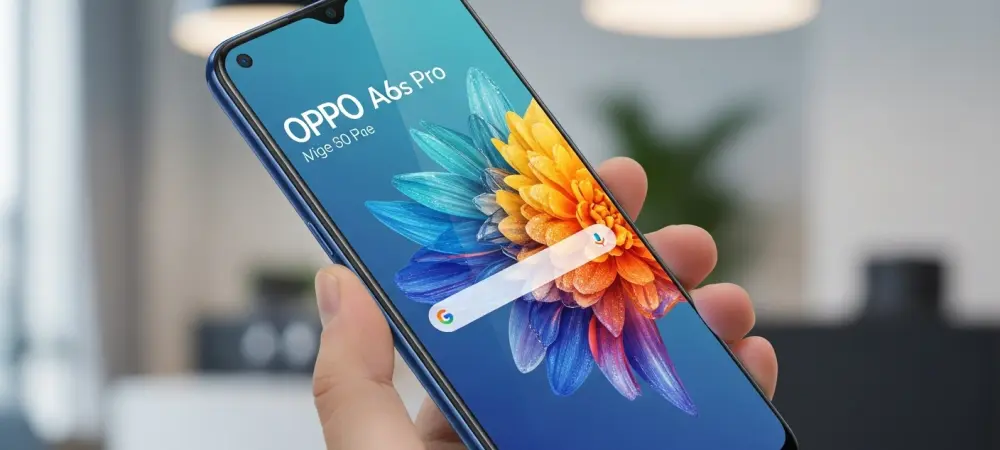
Modern smartphone users often find themselves paralyzed by a sudden downpour as touchscreens become unresponsive and erratic under the weight of falling water. This persistent frustration serves as the catalyst for a new wave of hardware innovation aimed at environmental resilience. The following exploration details how specific engineering choices are transforming the mid-range market, focusing on the upcoming release that promises to bridge the gap between rugged utility and consumer elegance. Readers can expect to gain insights into the technical standards of water resistance and the integration of high-capacity power systems in slim mobile frames.
Key Questions About the Oppo A6s Pro
What Is the Significance of Super Rain Touch Technology?
Standard capacitive screens rely on the electrical conductivity of the human finger to register inputs, a process that is easily disrupted by the presence of water droplets. This technical limitation often makes it nearly impossible to send a message or use GPS navigation during a storm without the device misinterpreting every splash as a deliberate touch. By introducing Super Rain Touch, engineers have developed a system that distinguishes between organic contact and environmental interference, ensuring that the interface remains functional even in extreme weather conditions.
The hardware meets the rigorous 30x Red Rain standard, which is a benchmark used to classify the most intense meteorological events. This level of precision suggests that the device is not merely water-resistant in a passive sense but is actively designed for operation during a monsoon. Such a feature is particularly valuable for commuters, delivery workers, and outdoor enthusiasts who cannot afford to have their primary communication tool fail during a heavy rainstorm.
How Does the IP69K Rating Protect the Device?
While many flagship phones boast an IP68 rating, the jump to IP69K represents a significant leap in ingress protection for consumer electronics. This certification indicates that the internal components are shielded not only against submersion but also against high-pressure water jets and high-temperature steam. Such protection is traditionally reserved for specialized industrial equipment or heavy-duty rugged phones, making its appearance in a sleek mid-tier smartphone a notable shift in design priorities. Furthermore, the physical integrity of the chassis is reinforced by a proprietary Diamond Architecture. This structural choice aims to mitigate the damage caused by accidental drops, providing a secondary layer of security alongside the high-level water resistance. By combining these elements, the manufacturer addresses the two most common causes of smartphone failure—liquid damage and physical impact—without forcing the user to carry a bulky or unattractive handset.
Can a Slim Phone Truly Support a 7,000 mAh Battery?
One of the most striking aspects of this new hardware is the inclusion of a 7,000 mAh battery within a body that measures only 8.32 mm in thickness. Achieving this energy density requires sophisticated internal layout management to ensure that the massive power cell does not lead to an unwieldy or heavy device. At 193 grams, the phone remains comparable to standard flagship models, yet it offers a capacity that significantly outpaces the 5,000 mAh standard found in most contemporary smartphones.
This focus on longevity is paired with a power-efficient MediaTek Dimensity 6300 chipset and a 1080p display, which helps maximize the duration of a single charge. By prioritizing battery life over raw processing power, the device caters to users who value reliability and uptime over the ability to play high-end mobile games at maximum settings. This trade-off reflects a growing market demand for “workhorse” devices that can last multiple days under heavy use without needing a wall outlet.
Summary of Technical Advancements
The transition toward more durable mid-range electronics highlights a move away from superficial upgrades in favor of practical reliability. The integration of specialized screen sensors and high-pressure water protection provides a clear advantage for users living in volatile climates or demanding environments. Meanwhile, the successful implementation of high-capacity batteries in slim form factors demonstrates that portability no longer requires a sacrifice in power duration. These developments suggested that the industry was moving toward a future where “rugged” features are standard rather than niche.
Final Thoughts on Mobile Durability
As mobile technology continues to evolve, the definition of a premium experience shifted from purely aesthetic choices to functional resilience. The ability to navigate a digital interface in a downpour or rely on a device for days on end redefined what users should expect from their hardware. Moving forward, those seeking a new handset should evaluate how environmental protections and battery management align with their specific lifestyles. Considering the practical benefits of ingress protection and enhanced touch sensitivity might prove more valuable than chasing the highest possible camera resolution or processor speed in the long term.