

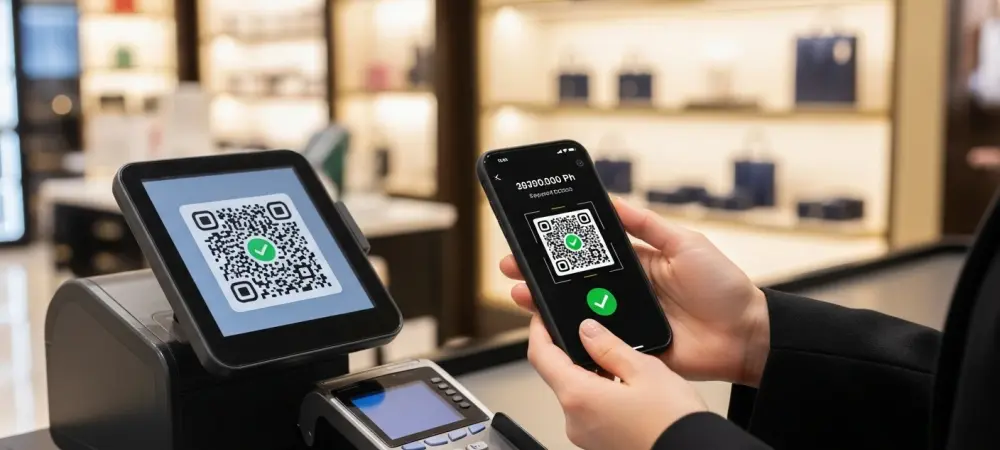
The rapid shift toward digital finance in Southeast Asia has reached a significant milestone as the Philippines integrates decentralized assets directly into its national retail infrastructure. This evolution allows millions of residents to utilize their Bitcoin and Ethereum balances for everyday transactions through the ubiquitously recognized QR Ph standard. By bridging the gap between volatile digital assets and the stability of the Philippine Peso, the fintech landscape is witnessing a profound transformation that simplifies how value is exchanged in the physical world. For years, crypto enthusiasts struggled with the cumbersome process of off-ramping funds into traditional bank accounts before making a purchase at a local store. Now, the integration of these major cryptocurrencies into a standardized QR system eliminates those hurdles, fostering a more inclusive financial environment. This move signals a departure from purely speculative holding toward practical, real-world utility for digital currencies across the islands.
Integration Mechanics: From Digital Wallets to Merchant Counters
The technical architecture supporting this integration relies on real-time conversion protocols that ensure merchants receive the exact amount in local currency despite the inherent volatility of the crypto market. When a user scans a QR Ph code at a participating vendor, the Coins.ph platform executes an instantaneous trade, locking in the current exchange rate for Bitcoin or Ethereum and settling the transaction in Pesos. This mechanism protects business owners from price fluctuations while providing consumers with the flexibility to spend their digital wealth as easily as they would use a traditional debit card. Furthermore, the interoperability of the QR Ph system means that this functionality is not limited to a few niche boutiques but is instead compatible with a vast network of department stores, restaurants, and transit hubs across the archipelago. The seamless nature of these transactions represents a major leap in backend financial engineering within the local fintech sector today. Beyond the immediate convenience for the end user, this expansion of payment options addresses a critical need for financial diversification among the unbanked and underbanked populations. Many Filipinos have turned to digital assets as a primary means of saving or receiving remittances, and providing a direct path to liquidity through retail payments empowers these individuals to manage their finances more effectively. As more people adopt this technology, the demand for robust cybersecurity measures and transparent fee structures becomes increasingly paramount for maintaining consumer trust. Educational initiatives are already underway to help the public understand the nuances of transaction fees and the importance of network confirmations during peak traffic periods. By lowering the barriers to entry, the local market is setting a global precedent for how national payment standards can coexist with decentralized protocols without compromising the stability of the domestic economy or the safety of personal assets.
Strategic Alignment: Regulatory Oversight and Economic Growth
The successful rollout of crypto-enabled QR payments reflects a sophisticated collaboration between private innovators and the Bangko Sentral ng Pilipinas to modernize the nation’s fiscal policies. This alignment ensures that every transaction processed through the system adheres to strict anti-money laundering regulations and know-your-customer protocols, which are essential for long-term sustainability. The 2026-2028 strategic roadmap for digital payments emphasizes the importance of a cashless society, and the inclusion of Bitcoin and Ethereum serves as a catalyst for reaching those ambitious targets ahead of schedule. By bringing crypto into the regulated fold of the national payment system, the government is effectively legitimizing a sector that was once viewed with skepticism by traditional institutions. This proactive stance attracts foreign investment and encourages local developers to build new applications on top of the existing QR infrastructure, further cementing the country’s reputation as a regional hub.
Stakeholders recognized that the success of this initiative depended on more than just technology; it required a fundamental shift in how people perceived the utility of decentralized assets. Users who embraced this new paradigm benefited from increased financial mobility, though they also had to remain vigilant about their digital security practices. Moving forward, it became essential for participants to diversify their holdings across different layers of storage and to stay informed about the evolving tax implications of retail crypto usage. Financial institutions examined the data from these early transactions to refine their risk models and improve the speed of cross-border settlements. For those looking to capitalize on this trend, the focus shifted toward integrating more diverse asset classes into the QR framework while maintaining the rigorous standards of the national payment system. The transition proved that the convergence of traditional banking and blockchain technology was not only possible but also beneficial for the broader health of the nation.