

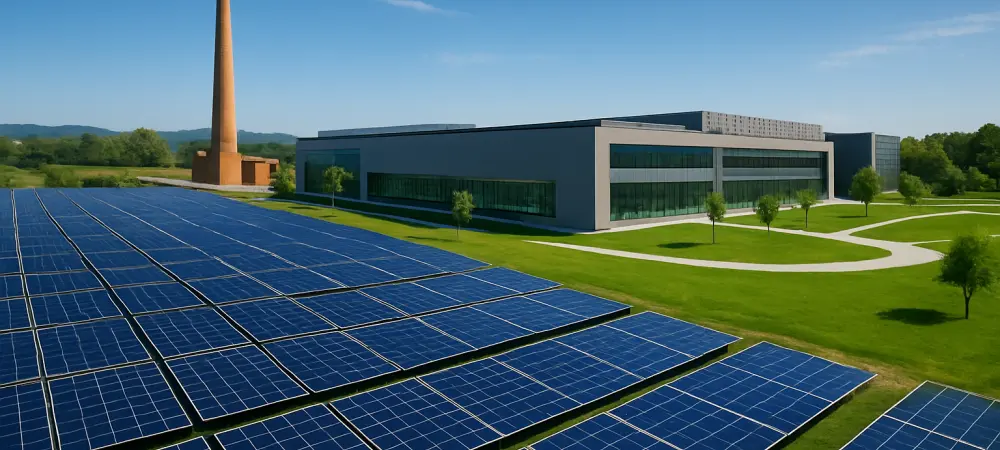
The global appetite for digital processing has reached an unprecedented scale, transforming the traditional “black box” data center into a vital green lung for modern industrial innovation. These facilities are rapidly evolving from energy-intensive liabilities into essential pillars of the circular economy, successfully balancing the demands of high-performance computing with aggressive decarbonization goals. This analysis explores the shift toward zero-impact infrastructure, specifically examining the pioneering ##-Era Green Valley project in Italy and how the integration of hydrogen and agriculture is redefining the foundations of the tech sector.
The Global Shift Toward Carbon-Neutral Infrastructure
Market Evolution and Adoption Statistics
The map of digital infrastructure is undergoing a radical transformation as data center hubs migrate from traditional Tier 1 cities toward regional clusters rich in renewable energy. This movement is driven by a significant surge in ESG-driven investment within the tech sector, which favors facilities powered by onsite renewable sources. As a result, the industry is seeing a higher percentage of new developments designed with self-sustaining power grids from the ground up.
Moreover, there is a prominent trend of industrial repurposing taking hold across the globe. Defunct manufacturing sites, once symbols of heavy industrial decline, are being transformed into high-tech sustainable digital hubs. This approach not only preserves land but also utilizes existing infrastructure to accelerate the deployment of green technology in areas that need economic revitalization.
Real-World Application: The ##-Era Green Valley Project
A prime illustration of this trend is the Comtel zero-impact initiative in Figline Valdarno, Italy, which breathes new life into a former industrial site southeast of Florence. The development is situated on the grounds of a former factory closed eight years ago, turning a site of job losses into a beacon of modern innovation. This project represents a strategic move for Comtel, which is transitioning from a service provider to a direct operator of high-capacity facilities. The project operates on a circular economy model, utilizing a massive 84MW solar plant to power servers while diverting surplus energy into green hydrogen production. By installing an innovative heat-recovery system, the facility siphons waste thermal energy from servers to support onsite vertical farming. This integration allows the data center to contribute directly to local food production, effectively turning waste into a resource for the community.
Expert Insights on the Sustainable Pivot
Industry leaders like Mattia Conti emphasize that the sector is shifting from passive infrastructure service providers to proactive facility operators who manage the entire lifecycle of a project. There is a growing consensus that future expansion must be decoupled from carbon emissions through rigorous end-to-end management. Professionals argue that this shift is necessary to maintain public trust while meeting the data needs of the coming years.
From a professional viewpoint, zero-impact facilities serve as an essential blueprint for reclaiming brownfield industrial sites. These projects demonstrate that high-performance computing can coexist with local economic needs and environmental preservation. By integrating multiple sectors into one site, developers are creating resilient industrial ecosystems that offer value far beyond simple data storage or processing.
Future Projections and Industry Implications
The long-term viability of these ecosystems rests on the ability to combine data storage with hydrogen fuel and sustainable agriculture into a single unit. However, the technical complexity of large-scale heat-recovery and the current limitations of green hydrogen scalability remain significant challenges. Overcoming these hurdles will require sustained investment and collaborative engineering to ensure that energy output matches the relentless demand for bit processing. In the coming years, the digital economy will experience a shift where proximity to renewable energy sources becomes more critical than proximity to major metropolitan centers. This change will redefine real estate values and infrastructure planning, favoring remote areas with high solar or wind potential. Ultimately, data centers will be judged not just by their uptime, but by their total social and environmental contribution.
Conclusion: A New Blueprint for Digital Stewardship
The transition from isolated data warehouses to integrated sustainable ecosystems provided a necessary path for the industry to maintain growth without compromising the climate. Stakeholders recognized that the ##-Era Green Valley model represented a fundamental change in how digital expansion intersected with environmental responsibility. Tech leaders moved toward holistic industrial designs that prioritized social and environmental value alongside traditional metrics. This shift ensured that the infrastructure supporting the digital age functioned as a catalyst for broader ecological resilience.