

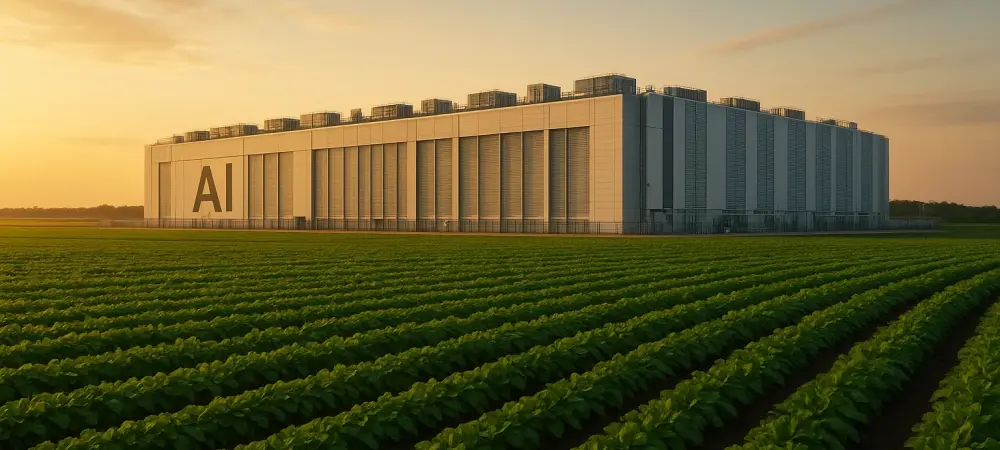
While the Ontario government has introduced a framework requiring data centers to fund their own electricity, local leaders remain skeptical about the adequacy of these provincial protections. This skepticism is rooted in the unprecedented density of power required by modern artificial intelligence clusters, which often utilize thousands of high-performance processing units that generate immense thermal output. In the Essex region, where the existing electrical grid serves a delicate balance of residential, manufacturing, and greenhouse operations, the sudden arrival of multi-megawatt facilities threatens to destabilize the pricing and availability of power for legacy industries. While the current “user-pay” model intends to shift the burden of infrastructure upgrades to the developers, it does not account for the immediate operational strain placed on transmission lines before these physical upgrades are completed. Consequently, the local council faced mounting pressure to implement a temporary pause, allowing for a comprehensive study of how these massive server farms might cannibalize the resources necessary for traditional community growth and regional energy security.
Evaluating the Infrastructure and Economic Impact
Power Management: Addressing the Strain on Regional Grids
The integration of AI-driven data centers necessitated a radical rethinking of how the region handles base-load power distribution, as these facilities operate continuously at peak capacity unlike traditional factories. Engineers noted that even with private funding for new substations, the lead time for acquiring high-voltage transformers and specialized switchgear often spanned several years, leaving the current grid vulnerable to surges during the interim. This mismatch between the speed of digital construction and the slower pace of physical utility expansion created a bottleneck that risked local brownouts. To address this, developers were encouraged to explore behind-the-meter solutions, such as on-site lithium-iron-phosphate battery storage or hydrogen fuel cell backups, to alleviate pressure during periods of high regional demand. However, the sheer volume of electricity consumed remained a point of contention, leading to calls for stricter efficiency mandates that required facilities to achieve a Power Usage Effectiveness ratio below 1.1, ensuring energy was used for computing rather than cooling.
Furthermore, the fiscal contributions from these data centers did not always translate into immediate benefits for the average ratepayer, as the cost of maintaining the surrounding infrastructure continued to rise. While the provincial framework mandated that developers pay for their direct connections, the secondary impacts on the wider regional network often required public investment to ensure long-term stability. This dynamic led to a broader discussion regarding the social contract between high-tech firms and the municipalities they occupy. Local policymakers argued that beyond just paying for electricity, these corporations should contribute to a regional resilience fund to offset the carbon footprint and infrastructure wear associated with their operations. By implementing a more rigorous auditing process, the community sought to ensure that the rapid expansion of the digital economy did not come at the expense of residential utility affordability. This approach emphasized that financial responsibility must extend beyond the facility’s perimeter to protect the economic health of the entire county.
Resource Allocation: Balancing Digital and Agricultural Needs
Land use policy emerged as another critical focal point, as the expansive footprint of single-story data centers often resulted in the permanent loss of prime agricultural soil. Unlike vertical manufacturing plants or office complexes, these massive structures occupy hundreds of acres while providing a relatively low density of high-paying jobs for the local population once the initial construction phase is finished. This disparity led urban planners to advocate for higher-density layouts or the repurposing of existing brownfield sites rather than encroaching on greenfield agricultural zones. By steering development toward underutilized industrial parks, the municipality sought to preserve the rural character of Essex while still participating in the digital economy. Furthermore, the aesthetic and acoustic impact of large-scale cooling fans and power humming prompted the development of stricter noise ordinances and landscaping requirements to shield residential neighborhoods from the industrial nature of these facilities. The local administration eventually concluded that a phased approach to development was the most viable path forward, ensuring that every new project met rigorous sustainability benchmarks before breaking ground. Planners established a comprehensive set of guidelines that prioritized projects capable of contributing excess heat to local greenhouse operations, effectively turning a waste product into a valuable resource for the agricultural sector. This circular economy model encouraged developers to innovate beyond the standard warehouse design, fostering a symbiotic relationship between data processing and food production. Community leaders also mandated that any further expansions undergo a biannual resource audit to verify that water and power consumption remained within the projected limits set during the initial approval process. These proactive measures ensured that the region did not sacrifice its long-term environmental health for short-term economic gains. By institutionalizing these oversight mechanisms, the municipality secured a framework where technological progress and local resilience were no longer viewed as competing interests.