

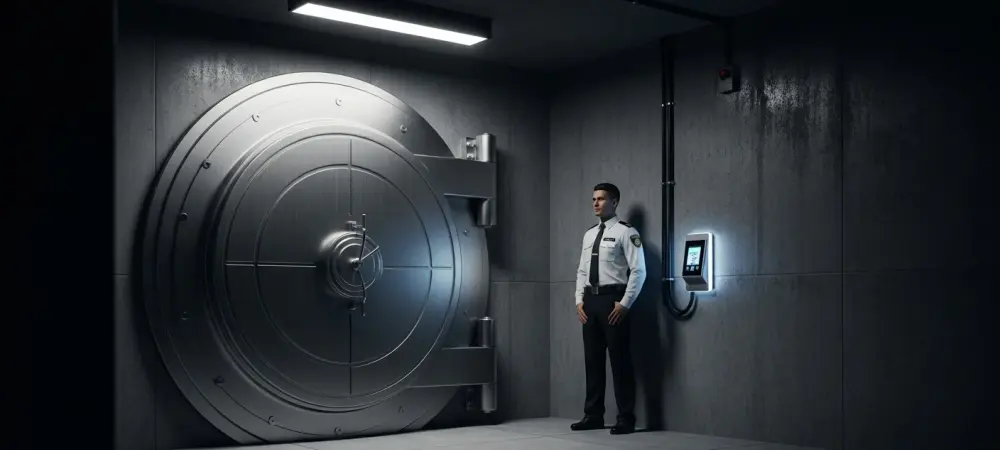
The digital backbone of modern society, once thought to be secure behind firewalls and fences, is now facing unprecedented physical threats that challenge the very continuity of our interconnected world. As the demand for data processing skyrockets, the significance of data center security and sustainability has emerged as a primary driver for innovation in IT infrastructure. A compelling new trend is taking root, literally, by moving critical digital assets underground. This analysis explores the emerging movement toward subterranean data centers, using a major European project as a case study to dissect its motivations, benefits, and future implications.
The Underground Movement: Evidence and Application
Data-Driven Demand for Fortified Infrastructure
The relentless expansion of artificial intelligence is a primary catalyst for an unprecedented wave of data center construction, requiring facilities that can handle immense computational loads securely. In response to this demand, the Belgian IT services provider Cegeka has made a significant financial commitment to this emerging trend, earmarking an initial investment of €40 million ($46.9 million) for a next-generation facility.
This project is not just a routine expansion; it is a statement of scale and ambition. The new data center will launch with an initial capacity of 4MW, but it has been designed with scalability at its core, capable of expanding to between 10MW and 15MW. This planned growth will establish it as the largest and most powerful data center in its region, built specifically to support the high-density computing required by advanced AI applications and strengthen Europe’s technological sovereignty.
Real-World Case Study: The Cegeka Limburg Project
Cegeka’s plan to build its eighth and largest data center deep underground in Belgian Limburg showcases a strategic shift in infrastructure design. This decision is a direct answer to the vulnerabilities of surface-level facilities in the face of modern physical threats. The company’s leadership identified that conventional security protocols are no longer sufficient to protect the digital engines of the modern economy. Building underground provides an inherent layer of protection against emerging dangers such as sophisticated drone attacks and acts of sabotage. In contrast, traditional security measures like fences, surveillance cameras, and on-site guards, while still necessary, represent a reactive and increasingly porous defense. By placing its most critical infrastructure beneath the earth, Cegeka is creating a hardened asset that is fundamentally more resilient than any fortress built on the surface.
Industry Rationale: A Strategy for Resilience
The strategic necessity of moving critical digital infrastructure underground is a core element of Cegeka’s long-term vision. Company leadership has articulated that this move is not merely an upgrade but a fundamental rethinking of what it means to secure the digital future. This approach acknowledges a new reality where physical security is as crucial as cybersecurity in guaranteeing operational uptime and data integrity.
This proactive strategy is designed to future-proof digital assets against a security landscape that is constantly evolving and growing more complex. Subterranean construction offers a degree of physical protection that simply cannot be replicated by surface-level facilities, regardless of their fortifications. It represents a commitment to ensuring operational continuity, positioning the company and its clients to withstand disruptions that could cripple less-protected competitors.
Future Outlook: The Convergence of Security and Sustainability
The development of subterranean data centers represents a powerful convergence of two of the tech industry’s most pressing concerns: enhanced security and environmental responsibility. Cegeka’s project is a prime example of this integrated approach, pairing its fortified design with a robust commitment to sustainability that extends beyond the data center’s walls.
To power its fortified infrastructure, the company is making parallel investments in a dedicated wind turbine and securing energy from a new solar park. This strategy is tied to clear and ambitious targets. By 2026, the company aims to generate enough green electricity to match the consumption of its data centers and offices in the region. Looking further ahead, the objective is to offer fully climate-neutral cloud services by 2030, a goal driven by increasing customer demand for transparent and verifiably green IT solutions.
Conclusion: Building the Future on a Deeper Foundation
The analysis of this emerging trend revealed that the push for subterranean data centers was driven by a powerful trifecta of needs: the demand for AI-ready computing capacity, heightened concerns over physical security, and the growing imperative for environmental sustainability. This movement was not a single-issue solution but a comprehensive strategy designed to address the multifaceted challenges of the modern digital landscape.
The Cegeka project, in particular, served as a compelling blueprint for the next generation of digital infrastructure, demonstrating how resilience and responsibility can be engineered in tandem. The decision to build underground offered a clear path toward future-proofing critical assets. This trend suggested that to truly protect the core of the digital economy, industry leaders might need to look beyond surface-level solutions and build the future on a deeper, more secure foundation.