

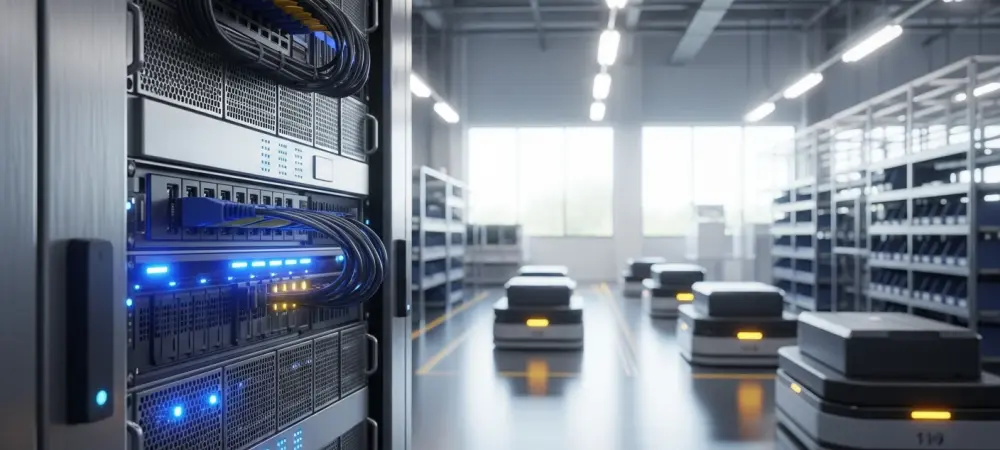
The global industrial landscape is undergoing a radical metamorphosis where the historical reliance on isolated machinery has yielded to sophisticated, interconnected networks that synchronize physical movement with real-time data processing. This evolution marks the transition from standalone robots to fully integrated ecosystems that function as a single, cohesive unit. In this context, the modern industrial imperative is no longer merely about mechanical speed but about the agility provided by software-led intelligence. The partnership between Nagarro and Addverb Technologies exemplifies this trend, acting as a microcosm of a larger push toward supply chain resilience. This exploration delves into the market dynamics, the synergy between hardware and digital engineering, and how the convergence of these fields creates a new standard for Industry 4.0.
The Current Landscape of Unified Automation
Market Dynamics and the Adoption of Integrated Systems
Current market trajectories indicate a significant surge in industrial automation investments, with the sector projected to expand rapidly from 2026 through 2028. This growth is primarily fueled by a decisive shift away from fragmented hardware toward unified platforms that integrate artificial intelligence directly into the operational fabric. The demand for e-commerce logistics and precision manufacturing has forced companies to move past legacy systems that operate in silos. Instead, the industry now prioritizes systems that offer visibility across the entire production line, ensuring that every robotic arm and automated guided vehicle communicates through a centralized digital brain.
Real-World Implementation: The Nagarro and Addverb Alliance
A practical demonstration of this shift is found in the Memorandum of Understanding between Nagarro and Addverb, which aims to deliver end-to-end solutions for complex warehouse and manufacturing environments. By establishing “robotic experience centers” and innovation makerspaces, these organizations have created tangible environments where industrial experimentation can occur at scale. These hubs allow for the testing of multi-robot orchestration in simulated settings before physical deployment. Such initiatives accelerate the adoption of advanced automation by reducing the risks associated with large-scale technological overhauls, allowing businesses to validate their workflows in real-time.
Industry Perspectives on Software-Hardware Synergy
The effectiveness of modern automation relies on a clear division of labor between digital engineering and physical execution. Nagarro utilizes its expertise in software integration to build the underlying platforms, while Addverb provides the robust robotics hardware and lifecycle support necessary for long-term operation. This synergy is essential for overcoming the traditional barriers that have often separated IT departments from the factory floor. By co-creating intellectual property and sharing deep technical knowledge, these entities are moving beyond vendor-client relationships toward true collaborative innovation. Industry experts emphasize that digital twins serve as the indispensable bridge between virtual planning and physical execution. These digital replicas allow operators to monitor performance metrics and predict maintenance needs with unprecedented accuracy. This perspective suggests that the value of a robotic system is increasingly found in its digital shadow—the data it generates and the simulations it enables. Consequently, the focus of industrial design has shifted toward creating hardware that is “digital-ready” from the moment of conception, ensuring seamless integration into a wider cloud-based infrastructure.
The Future of Autonomous Industrial Ecosystems
The horizon of industrial progress points toward a model known as “Automation-as-a-Service,” where enterprises derive value from data-driven insights rather than just the ownership of machinery. In this future, digital twins will likely evolve from simple monitoring interfaces into self-optimizing environments that use predictive analytics to adjust workflows without human intervention. The integration of 5G connectivity and edge computing will further refine these systems, allowing for lower latency and higher reliability in high-density robotic environments. While this complexity presents challenges in terms of system management, the resulting agility remains a critical competitive advantage.
Conclusion: Navigating the Next Industrial Frontier
The transition toward integrated, data-centric automation solutions represented a fundamental change in how global manufacturing functioned. Strategic partnerships flourished because they addressed the necessity for unified models in an increasingly volatile economic climate. Companies that prioritized these cohesive systems eventually discovered that the real power of robotics lay in the orchestration of the entire workflow rather than individual machine tasks. Moving forward, the industry must focus on refining the interoperability of these platforms to ensure that various hardware components can communicate effortlessly across global networks. By embracing this holistic approach, enterprises secured their ability to scale operations while maintaining the flexibility required to navigate unforeseen supply chain disruptions.