

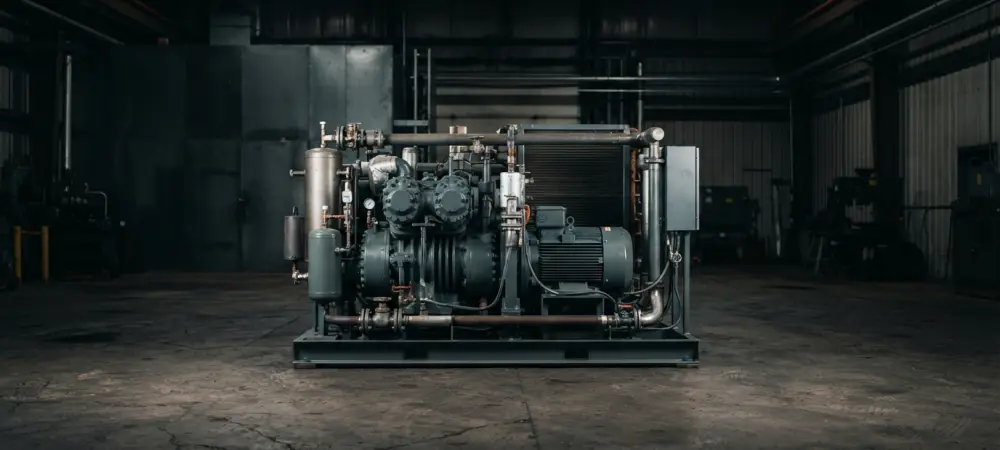
The transition of cyber threats from digital data theft to the physical sabotage of refrigeration systems represents a fundamental paradigm shift in how modern society must perceive and defend global supply chain security. As industrial refrigeration becomes increasingly interconnected, operational technology (OT) has emerged as a high-stakes target for sophisticated cyber actors. A single breach can now spoil life-saving medical supplies or disrupt national food chains, turning a digital vulnerability into a physical catastrophe. This analysis explores the rise in attacks against cold chain infrastructure and examines the strategies required to protect these critical assets from disruption.
The Escalating Threat to Global Refrigeration Infrastructure
Data and Evolution of Cold Chain Vulnerabilities
Recent intelligence from agencies like ANSSI and CISA highlights a surge in targeted scans for industrial controllers, specifically hardware manufactured by companies such as Danfoss and Copeland. Data suggests a transition from traditional data theft to the manipulation of physical environments, where hackers exploit internet-exposed devices to bypass authentication. This evolution marks a shift in cyber tactics toward high-impact sabotage of perishable inventory. Vulnerabilities often stem from legacy systems that become exposed through modern network integrations. These devices allow attackers to bypass authentication or execute remote code without immediate detection by standard security protocols.
Real-World Impacts on Healthcare and Commerce
The security landscape is punctuated by recent breaches, such as the attack on the French Blood Establishment (EFS), where hackers attempted to destroy plasma supplies by altering defrosting thresholds. Beyond healthcare, hundreds of European grocery stores and several military commissaries reported millions of dollars in losses due to compromised systems. These incidents demonstrate how remote code execution on OT devices leads to “superheated” cycles that compromise the integrity of food and medicine. The damage often extends beyond lost inventory to include significant equipment repair costs and long-term reputational loss for the affected providers.
Expert Perspectives on Industrial Cybersecurity Risks
Strategic Warnings from Global Security Agencies
Security professionals at the FBI and CISA categorize the cold chain as a critical but overlooked attack surface within the broader supply chain. Experts emphasize that the convergence of legacy equipment with modern networking creates “low-hanging fruit” for state-sponsored and criminal actors. The consensus is that securing these endpoints is no longer optional but a fundamental requirement for public safety. Analysts suggest that the relative ease of access to these systems makes them attractive targets for testing new disruptive payloads intended to cause widespread civilian distress or economic instability.
Industry Responses to Facility Management Threats
Healthcare leadership groups have voiced urgent concerns regarding the protection of vaccines and laboratory specimens. Experts argue that while many facilities avoided major breaches recently, the EFS incident served as a necessary wake-up call for the entire industry. Specialists are now advocating for a radical shift in how facility management systems are integrated into broader corporate networks. This involves moving away from simple, flat networks where an office computer breach could lead to the shutdown of a life-critical freezer. The priority is now on creating robust barriers between administrative and industrial control layers.
Future Outlook for Cold Storage Cybersecurity
Predicted Developments in Environmental Sabotage
The future of this threat likely involves more sophisticated automation in thermal-based attacks, where hackers move beyond simple shut-offs to subtle temperature fluctuations. As the Internet of Things (IoT) expands within the cold chain, the potential for mass disruption across civilian and defense sectors will grow. These developments suggest that digital manipulation of temperatures will become a standard tool for economic leverage. From 2026 to 2028, the industry anticipates a sharp increase in automated scripts specifically designed to target thermal sensors without triggering traditional high-temperature alarms.
Long-Term Implications for Supply Chain Resilience
To counter these evolving threats, the industry must move toward a Zero Trust architecture for OT environments. Future resilience will depend on the widespread adoption of isolated virtual local area networks (VLANs) and phishing-resistant multifactor authentication. While these changes present operational hurdles, the alternative is a persistent vulnerability that threatens the stability of health and commerce. Implementing these measures will require significant investment in both technology and staff training to ensure long-term stability against adversaries who view temperature control as a weaponized entry point.
Conclusion: Securing the Foundation of Modern Logistics
This analysis underscores the necessity of hardening the operational technology that powers the global cold chain. Organizations must prioritize the isolation of OT devices and follow expert-led mitigation strategies to ensure physical systems remain resilient against a hostile digital landscape. The move toward hardware-based security keys and air-gapped backups is becoming the new standard for facility management. This transition ensures that vital supplies are protected from the growing sophistication of cyber adversaries. Ultimately, the industry is shifting from a reactive posture to a proactive defense that safeguards the foundation of modern logistics.