

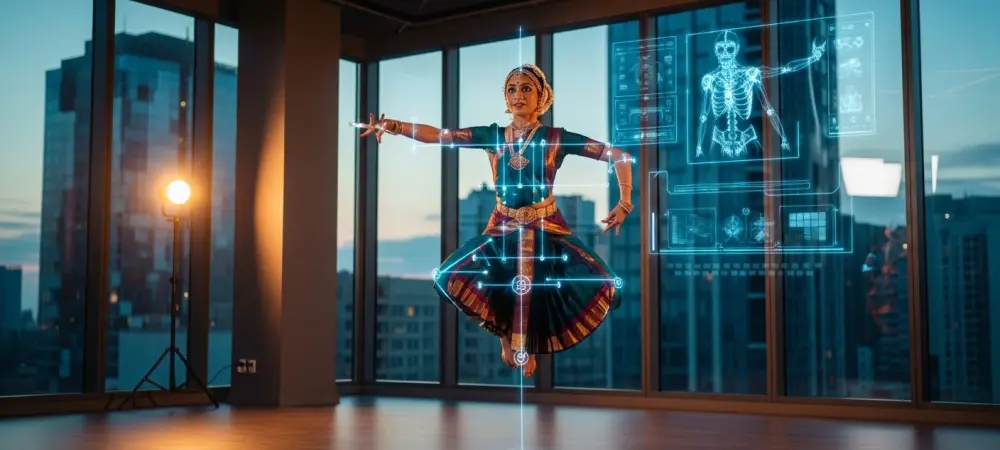
The rhythmic precision of a two-millennium-old dance tradition is currently being re-engineered through neural networks to solve the profound psychological fractures of our hyper-connected yet emotionally isolated age. Bharatanatyam, once confined to the temples and stages of South India, has emerged as a sophisticated diagnostic and therapeutic tool when paired with advanced computational intelligence. This fusion represents a pivotal shift in how society perceives the relationship between traditional wisdom and high-tech health solutions. As digital distraction erodes the ability to focus, the rigorous geometry of classical dance offers a tangible pathway toward cognitive realignment. This trend analysis explores how the synthesis of embodied mindfulness and algorithmic tracking is creating a scalable, evidence-based framework for emotional regulation and long-term mental health.
In an era defined by constant digital notification and a burgeoning mental health crisis, the marriage of ancient somatic practice and modern AI offers a unique solution for cognitive health. Traditional talk therapy often struggles to address the physical manifestations of stress, yet the embodied discipline of classical dance targets the nervous system directly. By making these ancient movements measurable through technology, the practice transitions from a subjective art form into a validated medical intervention. This transition is especially significant as healthcare systems look for non-pharmacological methods to treat anxiety and depression in a rapidly changing social landscape.
The transition of classical dance from a performance art to a measurable therapeutic tool highlights a new chapter in human-machine synergy. This analysis examines the specific technologies involved, including computer vision and natural language processing, while addressing the ethical implications of digitizing a sacred heritage. By leveraging machine precision to preserve human wisdom, this innovative field promises to restore a sense of rooted meaning to individuals struggling with the complexities of the modern world. The resulting therapeutic model is both grounded in history and optimized for the technical challenges of the current century.
The Rise of Data-Driven Somatic Healing
Tracking the Growth of AI-Enhanced Behavioral Therapies
Recent data within the digital health landscape highlights a significant pivot toward somatic interventions that prioritize physical movement as a gateway to mental clarity. Adoption statistics indicate that youth-oriented wellness platforms are aggressively integrating motion-tracking AI to mitigate the fractured attention characteristic of the smartphone era. By moving beyond passive meditation apps, these platforms utilize physical discipline to ground users in the present moment, creating a measurable impact on anxiety levels. The demand for objective, privacy-protected biomarkers has never been higher, leading researchers to focus on movement fluidity and heart rate variability as key indicators of therapeutic success.
This surge in digital therapeutics reflects a broader societal movement toward holistic wellness that integrates the body into the healing process. Healthcare providers are increasingly recognizing that the mind and body are not separate entities, and that motion-based therapies can offer significant benefits for emotional regulation. As behavioral health platforms incorporate machine learning, they are able to provide personalized interventions that adapt to the unique physiological responses of each user. This shift toward data-driven somatic healing marks a departure from traditional “one-size-fits-all” approaches, offering a more nuanced and effective path to mental resilience.
Transforming Ancient Arts Into Scalable Health Solutions
Computer vision technology is now capable of providing real-time postural feedback, allowing practitioners in remote regions to master complex movements like the aramandi with the precision of an in-person tutor. This democratization of expertise ensures that the physical benefits of the art form are accessible to everyone, regardless of their proximity to a traditional academy. Through a simple smartphone camera, the AI analyzes joint alignment and balance, offering corrective cues that prevent injury and maximize the therapeutic impact of the exercise. This creates a safe, self-guided environment for individuals to explore the discipline of classical dance. Natural language processing models are being used to translate ancient mythological narratives into modern psychological metaphors. By reframing historical conflicts through the lens of contemporary stressors, AI-driven platforms help users navigate their internal struggles with greater clarity and resilience. For instance, the internal dilemmas faced by characters in ancient epics can be interpreted as metaphors for social pressure or exam anxiety, providing a narrative framework for emotional processing. This re-personalization of storytelling ensures that the cultural depth of the art form remains relevant and impactful for a modern audience.
Wearable sensors and motion-capture technology are further refining the geometry of the body by turning rhythmic sequences into measurable exercises. These tools track cortisol levels and heart rate variability to validate the efficacy of specific movements in lowering stress. By establishing a direct link between physical rhythm and physiological health, technology transforms classical dance into a rigorous, evidence-based therapy. This objective validation is crucial for the integration of traditional arts into mainstream clinical settings, where empirical evidence is the standard for treatment approval.
Expert Perspectives: Merging Neural Networks With the Mathematics of the Beat
Leading researchers like practitioner-researcher Avika Kaushik argue that the true power of this integration lies in the concept of AI as a force multiplier for human wisdom. Rather than replacing the teacher, technology serves to amplify the reach and efficacy of traditional instruction by providing granular data that was previously invisible to the naked eye. This synergy allows for a more personalized approach to therapy, where the curriculum is adjusted based on the specific physiological and emotional needs of the individual. Experts highlight that the simultaneous management of mudras, tala, and abhinaya creates a state of total immersion that effectively blocks out external digital noise.
Professionals in the field emphasize that embodied mindfulness acts as a natural barrier against the anxieties of the digital age. The complex coordination required in Bharatanatyam forces the brain to enter a high-focus state, which serves as a cognitive anchor in a world of fractured attention. This mental and physical presence is particularly effective for youth who struggle with digital overstimulation and for seniors facing cognitive decline. By focusing on the mathematics of the beat, practitioners can achieve a level of mental clarity that is difficult to reach through traditional meditation alone.
However, there is a strong consensus among practitioners that the gamification of these sacred arts must be avoided at all costs. The goal of using machine intelligence is to foster deep, intentional presence, not to replicate the dopamine-driven feedback loops of social media platforms. Industry leaders emphasize that the deployment of AI should be guided by ethical principles that prioritize the sanctity of the art form and the long-term well-being of the practitioner. By maintaining this balance, the integration of neural networks and rhythmic mathematics can serve as a potent antidote to the stressors of modern life.
Future Projections: From Subjective Performance to Objective Medicine
The development of Mixed Reality spaces will likely allow seniors and youth to practice together across continents, rebuilding social bridges eroded by the epidemic of isolation. These virtual environments facilitate a shared experience that transcends geographical and generational boundaries, restoring a sense of community and mutual purpose. In these spaces, the AI acts as a silent facilitator, ensuring that both the teenager and the elderly practitioner are moving in harmony with their own physical capabilities. This intergenerational connectivity is essential for fostering empathy and reducing the social fragmentation that often leads to mental health struggles.
As data tracking becomes increasingly sophisticated, classical dance is projected to move from a subjective hobby to an objective medical intervention recognized by pharmaceutical and clinical researchers. The ability to demonstrate consistent, measurable improvements in emotional regulation and cognitive function will pave the way for dance therapy to be prescribed as a standard treatment. This shift will require a new level of clinical validation and standardized training for practitioners who operate at the intersection of art and technology. The eventual goal is a healthcare model where the wooden dance floor and the neural network are viewed as equally valid sites for psychological healing.
Despite these advancements, the field must navigate the ethical risks of commodification and ensure that algorithmic suggestions do not replicate addictive patterns. There is a danger that the pursuit of efficiency could lead to the loss of the art form’s spiritual and cultural essence. Stakeholders must work to ensure that technology serves as a tool for empowerment rather than a means of cultural extraction. The long-term impact of this trend points toward a holistic healthcare model that values rooted, physical meaning as much as digital efficiency, harmonizing ancient traditions with modern innovation for a healthier future.
The evolution of AI-integrated dance therapy demonstrated that the most effective solutions for modern psychological distress often required looking backward as much as forward. Stakeholders recognized that the next frontier of mental wellness involved not just new chemical compounds, but the intentional application of technology to ancestral practices. This transition moved dance from the periphery of wellness into the center of neuro-psychological treatment. Developers prioritized the creation of open-source motion libraries to prevent the monopolization of cultural heritage by private tech firms. These actions ensured that the digital-age revival of the drumbeat remained a public good, optimized for the healing of global society through the synthesis of history and intelligence.