

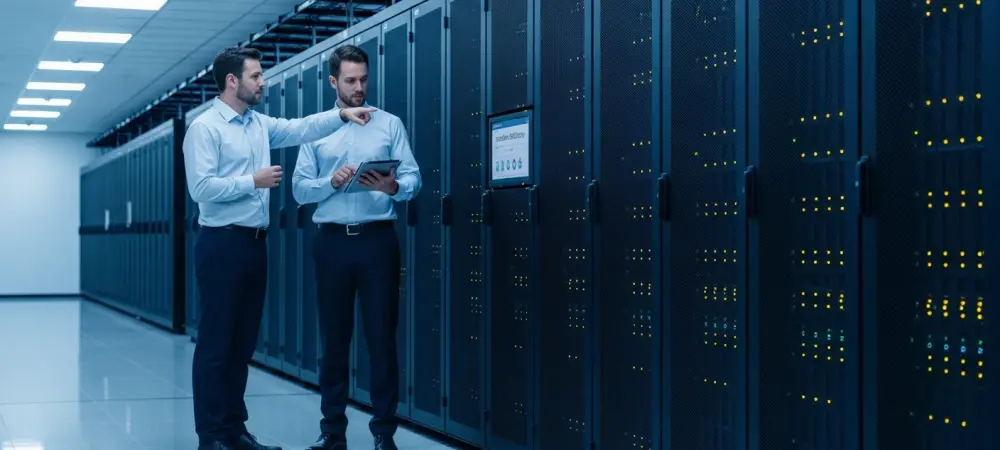
The very artificial intelligence driving an unprecedented surge in global data center energy consumption is now being turned inward, offering a sophisticated solution to its own voracious appetite for power. The data center is the backbone of the digital world, but its energy consumption is skyrocketing. As AI workloads intensify this demand, a new trend is emerging: using AI to fight fire with fire, optimizing the very facilities that power it. This analysis explores the rise of AI-driven data center optimization, its real-world impact, expert insights, and what the future holds for this critical technology.
The Surge of AI in Data Center Operations
Market Momentum and Adoption Statistics
The global data center industry faces a critical challenge as its energy and water footprint expands at an alarming rate, a situation directly exacerbated by the computational demands of the AI boom. This relentless growth puts immense pressure on operators to find sustainable solutions without compromising performance. Consequently, the market is responding with a pronounced shift toward intelligent management systems.
This trend is validated by significant investor confidence in platforms designed for Data Center Infrastructure Management (DCIM). A clear indicator is the recent $3.3 million seed funding round for Lucend, led by Remarkable Ventures Climate. This investment signals a broader market recognition that AI-powered optimization is no longer a luxury but a necessity for modern data centers. Adoption statistics reflect this momentum, showing a definitive move away from manual oversight toward automated, data-driven operational platforms.
Case Study Lucends Transparent AI in Action
Lucend’s “Transparent AI” platform exemplifies this trend by analyzing billions of data points from a facility’s operational environment to generate specific, actionable recommendations. This deep analysis allows operators to fine-tune cooling efficiency and resource management with a precision that is unattainable through human oversight alone.
The platform’s success is not theoretical. With major clients like Digital Realty and Global Switch, Lucend has demonstrated an average 25% reduction in power use and a 30% cut in water consumption. These results are achieved without requiring new capital investment or causing operational disruption, making it a compelling proposition for facility managers. Central to its success is a “human-in-the-loop” system, which ensures that operators review and approve AI suggestions, building trust and ensuring reliability in mission-critical settings.
Insights from Industry Leaders and Investors
The significance of this trend is echoed by industry leaders and investors who see AI optimization as a pivotal technology for the sector’s future. Investors at Remarkable Ventures Climate (RVC) emphasize that companies leveraging these platforms are gaining a substantial competitive advantage. By lowering operational costs and improving their environmental, social, and governance (ESG) profiles, early adopters are setting a new industry standard.
Furthermore, the industry consensus is that “human-in-the-loop” systems are crucial for de-risking the adoption of AI in high-stakes environments. This model effectively overcomes operational hesitancy by keeping human experts in control, allowing them to leverage AI’s analytical power without ceding ultimate authority. It represents a pragmatic bridge between traditional management and a fully automated future.
The Future Trajectory Towards the Autonomous Data Center
The current wave of AI-assisted optimization is laying the groundwork for the next evolutionary step: the fully autonomous data center. This future vision involves systems that not only recommend but also implement changes in real-time, managing everything from power distribution to workload balancing without direct human intervention.
The potential benefits of such autonomy are immense, including predictive maintenance that preempts hardware failures, dynamic workload shifting to optimize energy costs based on grid prices, and unprecedented breakthroughs in resource efficiency. However, this trajectory is not without its challenges. The industry must address significant hurdles, including heightened cybersecurity threats, the need for a newly skilled workforce, and the development of resilient systems that can operate flawlessly under any circumstance. Ultimately, AI optimization is becoming a cornerstone for the sustainable scaling of global computing infrastructure.
A New Paradigm for Digital Infrastructure
The analysis demonstrated that AI has transitioned from a niche tool into a fundamental technology for sustainable and efficient data center management. The tangible benefits, confirmed by real-world applications, included significant cost savings and a dramatically reduced environmental impact. For data center operators, the imperative was clear: embracing AI was no longer just an option but a strategic necessity to responsibly meet future demand and maintain a competitive edge in an evolving digital landscape.