

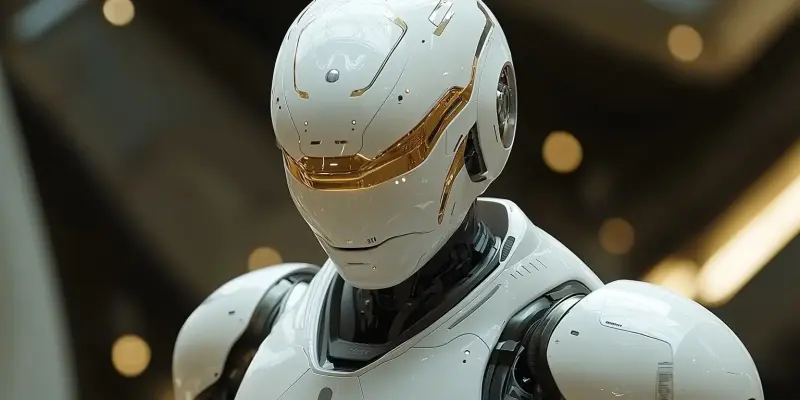
With the rapid advancements in artificial intelligence, robotics, and machine learning, humanoid robots are poised to revolutionize various industries by 2025. These sophisticated machines are designed to emulate human actions, perform complex tasks, engage in conversations, and even recognize and respond to human emotions. As these technologies evolve, humanoid robots are on the brink of becoming indispensable across multiple fields, from everyday assistance to industrial applications, emotional intelligence, and space exploration. This article highlights ten of the most advanced humanoid robots anticipated to make significant impacts in diverse domains.
Everyday Assistance and Efficiency
One of the most promising humanoid robots set to make a significant impact is the Tesla Optimus (Tesla Bot). Engineered to assist with everyday tasks, this robot features an emphasis on dexterity, vision, and AI capabilities. Its lightweight build and human-like proportions enable it to seamlessly perform routine jobs such as carrying objects, assembling products, and completing household chores. The robot’s sophisticated design allows for easy integration into various settings, making it a versatile aide for daily life.
Ameca by Engineered Arts is another standout in the realm of humanoid robotics, celebrated for its realistic appearance and advanced interactive abilities. Ameca boasts lifelike facial expressions and fluid movements, facilitated by cutting-edge machine learning and natural language processing technologies. This robot excels in research, customer service, and public demonstrations, where its human-like interactions provide a compelling experience. Ameca’s ability to engage with people through conversation and expressive gestures makes it a valuable asset in environments where human-like interaction is paramount.
Agility and Industrial Applications
In the sphere of robotic agility and mobility, Atlas by Boston Dynamics is a prime example of advanced engineering. Known for its rapid movements, stability, and impressive range of actions, Atlas can run, jump, perform parkour, and manipulate objects with ease. This remarkable adaptability makes Atlas ideal for critical applications such as search-and-rescue missions and various industrial settings. Its ability to navigate challenging terrains and carry out tasks that require precision underscores its potential to transform the way industries operate, enhancing efficiency and safety.
Nadine, developed by researchers at Nanyang Technological University, represents another fascinating advancement in humanoid robotics. Nadine is designed to offer companionship and social interaction, featuring human-like facial expressions and realistic skin. This robot can remember individuals from previous encounters and uses AI-driven emotional intelligence to respond empathetically. Nadine’s primary roles include serving as a receptionist, a companion for individuals in need of social support, and an assistant for the elderly. Its ability to engage emotionally with humans highlights the growing trend of designing robots that can provide meaningful social interactions.
Emotional Intelligence and Social Interactions
CyberOne by Xiaomi exemplifies the integration of cutting-edge sensors and AI to interpret environmental data, recognize voices, and detect human emotions. This robot is capable of providing meaningful interactions and assistance in both social and industrial contexts. Its advanced technology allows CyberOne to enhance safety and efficiency by understanding and responding to human cues. The robot’s lightweight structure and improved movement capabilities enable it to operate effectively within human environments, making it a versatile tool for various applications.
Another globally recognized humanoid robot is Sophia by Hanson Robotics. Known for its human-like appearance and conversational skills, Sophia has captured the public’s imagination since its debut. This robot continues to evolve, improving its AI and social interaction capabilities. Sophia’s ability to engage in natural conversations and express a range of emotions positions it as a leader in fields that require high levels of human-robot interaction. Its role in public demonstrations and media appearances underscores the growing influence of humanoid robots in everyday life.
Heavy-Duty and Specialized Tasks
HRP-5P, a robust humanoid robot developed by Japan’s Advanced Industrial Science and Technology (AIST), is designed for heavy-duty industrial and construction tasks. This robot can assemble structures, handle tools, and operate in hazardous environments, addressing scenarios where human intervention is risky or impractical. HRP-5P’s capabilities make it an invaluable asset in industries such as construction, where safety and precision are crucial. Its deployment in dangerous tasks demonstrates the potential of humanoid robots to enhance workplace safety and efficiency.
Walker X by UBTECH is another notable humanoid robot, excelling in personal assistance, home automation, and mobility. Equipped with AI speech recognition and precise limb coordination, Walker X can perform household chores, respond to voice commands, and engage users through conversation. Its superior balance and agility enable it to navigate smart home environments and service sector applications effectively. Walker X’s design allows it to integrate seamlessly into daily life, offering convenience and support for a range of tasks.
Space Exploration and Teleoperation
With rapidly advancing technologies in artificial intelligence, robotics, and machine learning, humanoid robots are set to transform a variety of industries by 2025. These cutting-edge machines are crafted to mimic human actions, handle intricate tasks, engage in dialogue, and even detect and react to human emotions. As these technologies continue to evolve, humanoid robots are on the cusp of becoming essential in numerous sectors, ranging from daily assistance to industrial operations, emotional intelligence, and space exploration. This article spotlights ten of the most advanced humanoid robots expected to create significant impacts in various fields, showcasing their potential to reshape how we interact with technology. With advancements, these robots will likely improve efficiency, productivity, and emotional connectivity in their respective applications. As they become more integrated into our lives, the implications for the future of work, healthcare, and even leisure activities are profound, making humanoid robots a pivotal element in the tech landscape by the mid-2020s.