

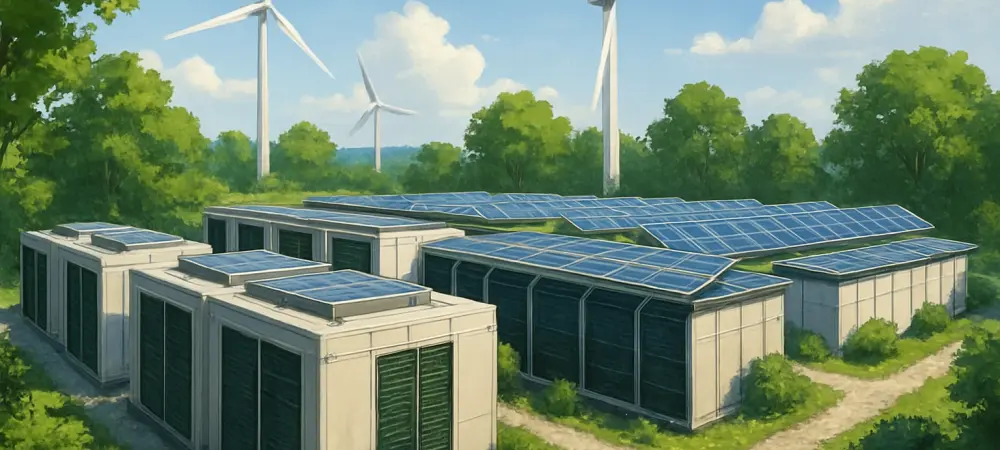
As the digital age accelerates with the unrelenting rise of artificial intelligence and hyperscale computing, data centers have become the backbone of global infrastructure, powering everything from cloud services to machine learning models. Yet, this explosive growth comes at a steep environmental cost, with energy consumption soaring to unprecedented levels, raising alarms about sustainability in an era of climate urgency. The push for sustainable data center innovations has emerged as a critical trend, balancing the insatiable demand for computing power with the imperative to reduce carbon footprints. This analysis delves into the latest advancements, real-world implementations, expert insights, and the future trajectory of green practices in the data center industry, highlighting their pivotal role in shaping a responsible digital ecosystem.
The Rise of Sustainable Data Center Practices
Growth Trends and Industry Adoption
The energy demands of data centers have surged dramatically, driven by the global proliferation of AI technologies and hyperscale computing projects that often require multi-gigawatt capacities. Recent reports indicate that the industry’s power consumption is growing at an exponential rate, with some facilities alone demanding as much as entire small cities. This stark reality has pushed sustainability to the forefront, as companies face mounting pressure to curb energy use while meeting performance needs.
A significant shift toward renewable energy integration and alternative power sources like nuclear is evident across the sector. According to initiatives supported by the US Department of Energy, there’s a marked increase in green data center projects, with many operators committing to 100% renewable energy targets over the next few years. Statistics show a rising adoption rate, with a notable percentage of new builds incorporating solar, wind, or battery storage systems to offset grid reliance.
Regulatory pressures and corporate responsibility goals further amplify this momentum. Governments worldwide are imposing stricter guidelines on energy efficiency, while businesses recognize that sustainable practices are not just ethical but also essential for long-term profitability. This convergence of policy and purpose positions sustainability as a non-negotiable standard in data center operations.
Real-World Applications and Case Studies
Innovative sustainable practices are already transforming the data center landscape, with major players leading by example. Google’s partnerships with wind farms in Belgium demonstrate a commitment to powering facilities with clean energy, significantly reducing operational emissions. Similarly, Aligned Data Centers in Oregon has implemented a 31 MW battery energy storage system, enabling grid independence during peak demand periods.
Regional efforts also showcase unique approaches to green infrastructure. In the Democratic Republic of Congo, ambitious plans to harness hydroelectric power from the Inga Dam aim to provide affordable, renewable energy for data centers, potentially setting a precedent for African markets. This project underscores how local resources can be leveraged to meet global digital demands sustainably.
Elsewhere, pioneering projects push technological boundaries. Texas Nuclear Ventures is exploring the development of large-scale reactors to supply consistent, low-carbon power to data hubs, while GreenSquareDC’s eco-friendly campus in Sydney integrates advanced energy-efficient designs from the ground up. These initiatives illustrate the diverse strategies being deployed to address environmental challenges in the industry.
Expert Perspectives on Sustainability Challenges and Opportunities
Industry leaders emphasize that sustainable data center innovations are not merely a trend but a necessity for survival in a resource-constrained world. Many point out that while the intent to adopt green solutions is strong, scaling renewable and nuclear energy to match escalating demands remains a formidable hurdle. The infrastructure required for such transitions often involves significant upfront costs, creating tension between financial viability and ecological impact.
Experts also highlight specific challenges, such as the inefficiencies in current cooling systems that consume vast amounts of energy. Thought leaders suggest that breakthroughs in liquid cooling and other advanced technologies could revolutionize energy use, but widespread adoption is still in the early stages. Balancing these technical obstacles with the urgent need for action is a recurring theme in discussions.
On the opportunity side, there’s optimism about policy frameworks that could accelerate green practices. Some industry voices advocate for incentives and international collaboration to standardize sustainability metrics, ensuring that innovations are not only developed but also implemented at scale. These perspectives reinforce the long-term significance of sustainability as a driver of both innovation and accountability in the sector.
Future Horizons for Sustainable Data Centers
Looking ahead, the trajectory of sustainable data center innovations points toward rapid advancements in energy-efficient technologies and a broader embrace of alternative power sources. Nuclear energy, with its promise of stable, low-emission output, could become a cornerstone for hyperscale facilities, while hydroelectric and solar solutions are expected to gain traction in regions with favorable natural resources. Such developments hold the potential to redefine how digital infrastructure operates.
The benefits of these shifts are manifold, including substantial reductions in carbon footprints and long-term operational cost savings for companies. However, challenges like infrastructure readiness and navigating complex regulatory landscapes could slow progress. Ensuring that grids and policies keep pace with technological advancements will be critical to realizing these gains on a global scale.
Beyond immediate impacts, sustainable data centers could play a transformative role across industries by supporting digital transformation while aligning with climate goals. In an optimistic scenario, widespread adoption of green practices might set a new benchmark for tech sectors. Conversely, delays in scaling solutions risk exacerbating environmental strain, underscoring the need for proactive investment and collaboration to mitigate such risks.
Key Takeaways and Call to Action
Sustainable innovations stand as a linchpin in addressing the urgent energy demands of data centers, fueled by AI and digital growth, while tackling environmental imperatives. Current achievements, from renewable energy adoption to nuclear exploration, mark significant progress, though expert consensus highlights persistent challenges in scaling and cost management. The future, while promising, remains complex with both opportunities for reduced emissions and hurdles in infrastructure readiness. The importance of sustainability in shaping the data center industry cannot be overstated, as it directly influences the capacity to meet skyrocketing demands without compromising planetary health. Stakeholders across sectors have recognized this dual challenge, driving a collective effort to innovate.
Reflecting on the path taken, the journey toward greener data centers has demanded bold steps and persistent resolve. Moving forward, the focus should shift to accelerating investments in cutting-edge green technologies and fostering global partnerships for supportive policies. Such actions will ensure that the digital future not only thrives but does so in harmony with environmental goals, paving the way for enduring progress.