

I’m thrilled to sit down with Dominic Jainy, a seasoned IT professional whose deep expertise in artificial intelligence, machine learning, and blockchain has positioned him as a thought leader in the tech industry. With a keen interest in how these technologies intersect with infrastructure like data centers, Dominic brings a unique perspective on the rapid growth of hyperscale facilities and the importance of sustainable development. Today, we’ll dive into the driving forces behind data center expansion, the balance between industry growth and community impact, and the strategies for building trust and delivering value to local areas.
How do you see the doubling of hyperscale data centers over the past five years shaping the tech landscape, and what’s fueling this surge?
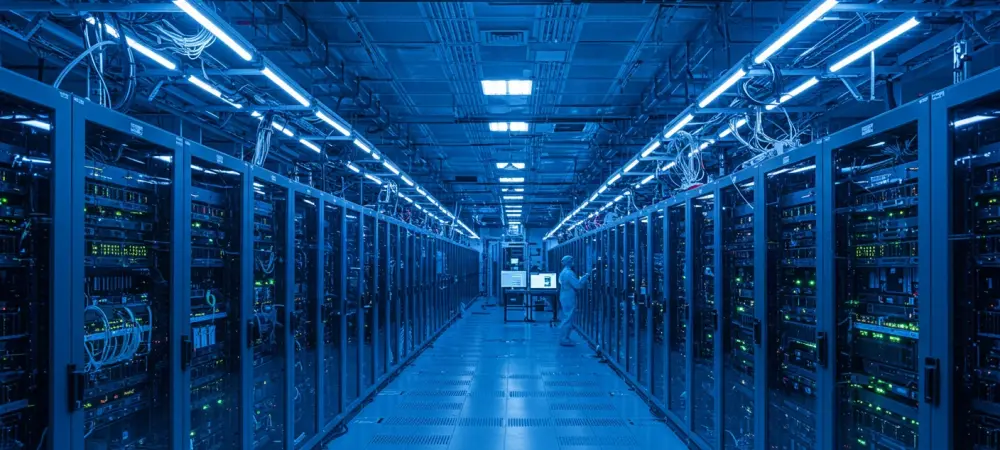
The doubling of hyperscale data centers is a direct reflection of our insatiable demand for digital services—think cloud computing, streaming, and AI-driven applications. These facilities are the backbone of our digital economy, and their growth is fueled by the explosion of data generation and the need for low-latency processing. In the U.S., which holds over half of the global compute capacity, we’re seeing major investments from tech giants and startups alike, driven by a mix of consumer demand and enterprise needs. It’s a transformative shift, enabling innovations we couldn’t have imagined a decade ago, but it also puts pressure on infrastructure to keep up.
What unique challenges does this rapid expansion pose for North America, especially with several gigawatts of projects slated for completion by 2025?
North America is at the epicenter of this boom, and while that’s exciting, it comes with real challenges. We’ve got to manage power constraints, as these facilities consume massive amounts of energy, and not every grid is ready for that load. There’s also the issue of land availability—finding suitable sites that balance proximity to users with minimal disruption is tough. By 2025, with multiple gigawatts coming online, we’ll likely see increased scrutiny on environmental impacts and resource allocation. The key will be smarter planning and collaboration with local governments to ensure growth doesn’t outpace sustainability.
Why is it so critical for the data center industry to prioritize the communities they operate in during this period of growth?
Data centers aren’t just buildings; they’re part of a community’s fabric. Ignoring that can lead to friction—think opposition to zoning changes or concerns over resource use like water and power. Prioritizing communities isn’t just about good PR; it’s about long-term viability. When you engage with locals, understand their needs, and address their concerns, you create a partnership that benefits everyone. Without that, projects can stall or face backlash, which helps no one. It’s about being a good neighbor, not just a new one.
How can developers align their projects with the specific goals and concerns of local communities?
It starts with listening. Developers need to engage early, holding town halls or one-on-one discussions with stakeholders to understand what matters most—whether it’s job creation, environmental protection, or infrastructure support. From there, it’s about tailoring projects to fit those priorities, like committing to renewable energy if sustainability is a concern or funding local training programs if jobs are the focus. Customization is key; a cookie-cutter approach won’t work when every community has its own identity and needs.
Can you walk us through the economic benefits data centers bring to local areas, beyond just tax revenue?
Absolutely. Data centers are economic engines. Beyond the billions in capital investment and long-term tax income, they create a ripple effect. Construction phases alone generate significant revenue for local contractors and suppliers. Once operational, they offer high-paying jobs—think engineers, technicians, and facility managers—that can transform a region’s workforce. Many developers also invest in community programs, like STEM education for youth or infrastructure upgrades, which add even more value. It’s a chance to uplift entire areas if done thoughtfully.
What does a sustainable site selection process look like for a data center project, and why is it so important?
A sustainable site selection process is meticulous and multi-layered. It begins with casting a wide net—sometimes evaluating over 100 potential locations—to assess factors like power availability, environmental impact, and community fit. You’re looking for a balance: a site that meets technical needs but also minimizes disruption. This matters because a poorly chosen site can lead to operational headaches or community resistance. Getting it right upfront builds a foundation for success, ensuring the project is both feasible for developers and beneficial for locals.
How can data center developers foster trust with communities during the early stages of a project?
Trust starts with transparency. Developers need to be upfront about why a site was chosen, what the project entails, and how it will impact the area—good and bad. Hosting open forums where people can ask questions and voice concerns is crucial. It’s also about follow-through; if you promise mitigation measures or community benefits, deliver on them. Showing genuine respect for local input, rather than just checking a box, goes a long way in building lasting relationships.
What role does customizing community engagement play in ensuring a project’s success?
Customization is everything. A rural community might value land preservation or agricultural support, while an urban area might prioritize job training or beautification projects. A one-size-fits-all approach fails because it assumes every place wants the same thing. By taking the time to learn what’s meaningful—through direct dialogue with residents and leaders—developers can create engagement plans that resonate. This isn’t just a nice-to-have; it’s often the difference between a welcomed project and one that faces pushback.
Looking ahead, what’s your forecast for the future of data center development in balancing growth with community and environmental responsibilities?
I think we’re at a turning point. The demand for data centers isn’t slowing down, but neither is the call for sustainability and community accountability. Over the next decade, I expect to see tighter regulations on energy use and emissions, pushing developers toward renewable power and innovative cooling solutions. At the same time, community engagement will become non-negotiable—developers who ignore it risk being shut out of markets. The winners will be those who see growth, sustainability, and community impact as interconnected, not competing, priorities. We’ve got the tools and creativity to make that happen; it’s just a matter of commitment.