

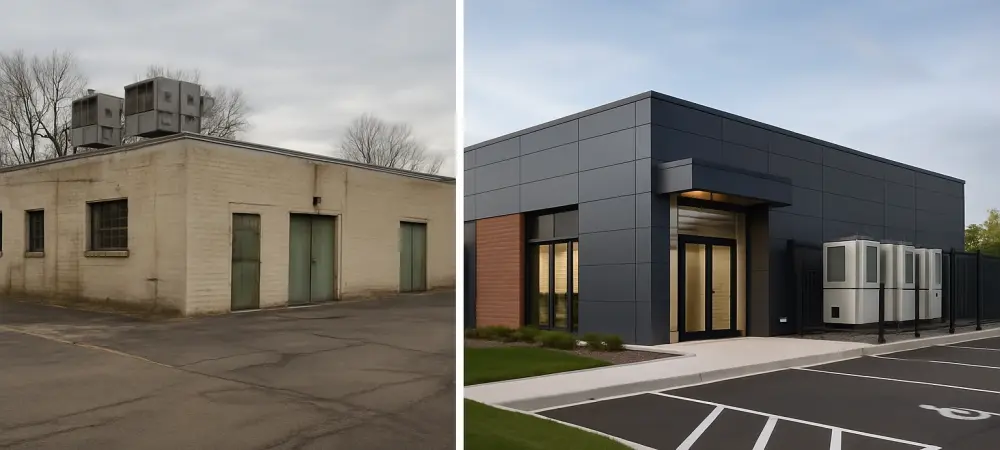
I’m thrilled to sit down with Dominic Jainy, an IT professional with deep expertise in artificial intelligence, machine learning, and blockchain, who brings a unique perspective to the evolving landscape of technology infrastructure in Minnesota. Today, we’re diving into the transformation of a historic Robbinsdale site—once home to Minnesota’s oldest abortion clinic—into a modern data center by a local Internet service provider. We’ll explore the technical aspects of this project, its impact on the Twin Cities community, and the broader implications of repurposing significant locations for tech innovation, while also touching on the social resonance of this transition marked by a recent pro-life memorial at the site.
How do you see the conversion of a historic site like the Robbinsdale Clinic into a data center reflecting broader trends in technology and urban development?
I think it’s a fascinating example of how technology is reshaping our urban landscapes. Repurposing a site with such a storied past into a data center shows the growing demand for digital infrastructure in local communities. Data centers, even smaller ones like this 4,000-square-foot facility, are becoming as essential as roads or utilities. They support everything from Internet access to business operations. What’s unique here is the shift from a healthcare-focused space to a tech hub, which highlights how cities are adapting to new economic drivers while navigating the emotional and historical weight of these locations.
Can you break down the concept of a data center acting as a ‘switching station’ for fiber networks, and why that’s important for a region like the Twin Cities?
Absolutely. A switching station, in simple terms, is a central point where data traffic is routed and managed across a fiber network. Unlike massive data centers focused on storage or computing power, this kind of setup prioritizes connectivity. For the Twin Cities, where Internet demand is surging with remote work and digital services, having a local hub like this ensures faster, more reliable connections. It’s like building a better intersection for data highways—reducing lag and keeping information flowing smoothly for homes and businesses alike.
What are some of the technical challenges or considerations when designing and building a data center on a site with a complex history like this one in Robbinsdale?
From a technical standpoint, the history of the site doesn’t directly impact the design, but the location and zoning do. You’ve got to consider power supply, cooling systems, and security for a data center, which can be tricky in an urban area not originally zoned for such infrastructure. There’s also the challenge of integrating with existing fiber networks while ensuring scalability for future growth. Community pushback or historical preservation concerns can delay timelines, so balancing tech needs with local sentiment is critical. It’s about making sure the project is both feasible and respectful.
How do you think a project like this, supporting local fiber build-out, can impact the digital divide in communities around Robbinsdale and the broader Twin Cities area?
This kind of infrastructure can be a game-changer. Expanding fiber networks through facilities like this one means more households and small businesses can access high-speed Internet, which is often out of reach in underserved areas due to cost or lack of infrastructure. Bridging the digital divide isn’t just about connectivity—it’s about opening up opportunities for education, remote work, and economic growth. If done right, this data center could help level the playing field, especially in communities that have historically been left behind in the tech race.
With the site’s past as an abortion clinic and the recent pro-life memorial held there, how do you think technology projects can navigate the social and emotional layers tied to repurposed spaces?
It’s a delicate balance. Technology projects often focus on efficiency and progress, but they can’t ignore the human element. A site like this carries deep emotional significance for many, as seen with the memorial for the estimated 60,000 lives remembered by the pro-life group. Developers and tech companies need to engage with the community early on, listen to concerns, and show respect for the site’s history. Transparency about the project’s purpose and benefits can help, but it’s also about acknowledging the past rather than erasing it—maybe through a commemorative gesture or dialogue with local groups.
Looking at the bigger picture, how does this data center fit into the future of localized tech infrastructure across Minnesota, especially with other small exchange buildings popping up?
This project is part of a broader shift toward decentralized, localized tech infrastructure. Instead of relying solely on massive data centers far from urban centers, companies are building smaller, strategic hubs closer to users. In Minnesota, where the Twin Cities are a growing tech and business hub, these small exchange buildings—like the ones in Robbinsdale and reportedly St. Louis Park—are crucial for reducing latency and supporting the explosion of data needs. It’s a smart, sustainable approach that could set a model for other regions, ensuring tech growth aligns with community needs.
What is your forecast for the role of localized data centers in shaping Minnesota’s digital economy over the next decade?
I’m optimistic that localized data centers will become the backbone of Minnesota’s digital economy. As more businesses and residents rely on cloud services, streaming, and real-time data, the need for low-latency, high-speed connections will only grow. These smaller facilities can drive innovation by supporting startups, smart city initiatives, and even rural connectivity if the model expands beyond urban areas. My forecast is that within ten years, Minnesota could be a leader in localized tech infrastructure, blending community focus with cutting-edge digital solutions, provided there’s continued investment and collaboration between public and private sectors.