

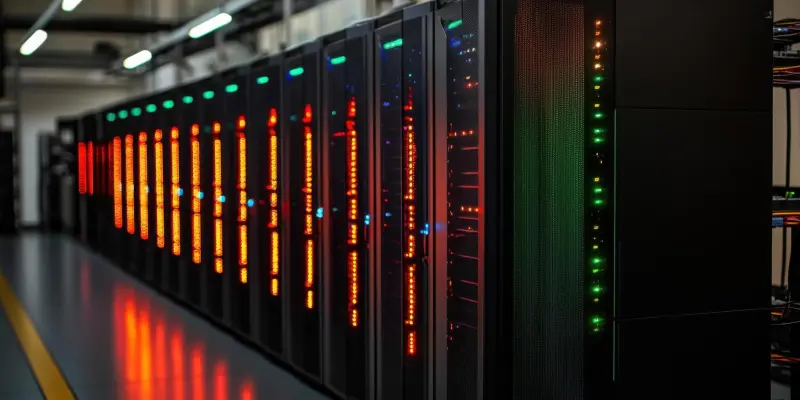
As AI technology continues to reshape industries and daily life, AI data centers face mounting scrutiny for their environmental impacts due to their energy-intensive nature, essential for supporting AI advancements. These centers pose significant ecological challenges, with emissions categorized under Scope 1, Scope 2, and notably Scope 3, which covers extensive supply chain effects. The demand for sustainable practices is more urgent than ever. Transforming AI data centers into models of sustainability while maintaining technological momentum represents a complex conundrum in today’s eco-conscious landscape.
Understanding The Environmental Impact of AI Data Centers
The Role of Scope 3 Emissions in Data Centers
AI data centers have a profound environmental impact and are major contributors to Scope 3 emissions. Unlike Scope 1 and Scope 2, which address direct and indirect emissions from owned operations and purchased energy, Scope 3 encompasses all other indirect emissions across the value chain. This includes emissions related to construction and operational logistics, where the materials and transportation involved in establishing and maintaining data centers contribute immensely to their carbon footprint; these often form the most significant portion of a data center’s environmental impact. The construction of these centers involves materials like steel, concrete, and specialized technology components, all of which undergo energy-intensive processes from extraction to delivery. Transportation logistics for global supply chains also heavily contribute to emissions. The challenges in managing these emissions are exacerbated by the global scale and complexity of the supply chains in the tech industry, leading to growing acknowledgment of the urgent need to curb these emissions. Implementing innovative building techniques and material choices during the design stage, along with an in-depth understanding of each phase’s emissions, can help establish baseline procedures for reducing this environmental burden.
Initiatives in Sustainable Construction and Operations
Several organizations within the industry are striving to lessen the environmental toll by deploying sustainable construction and operation practices. Firms like Exyte stand at the forefront by adopting approaches that reduce Scope 3 emissions through smarter design and construction methodologies. Integrating environmentally-friendly materials with certified Environmental Product Declarations (EPDs) aids in anticipating and minimizing emissions. This proactive approach at the conceptual stage prompts environmentally-aware decisions in infrastructural development. The transition from traditional diesel-based machinery to greener alternatives like hydrotreated vegetable oil, along with adopting sustainable building materials such as low-carbon concrete, reflects an industry-wide shift towards eco-efficient practices. Additionally, a lean approach to construction, emphasizing efficiency and waste reduction through just-in-time delivery and optimizing resources, plays a crucial role in minimizing emissions. The digitalization of construction processes through tools like the Embodied Carbon in Construction Calculator (E3C) provides quantitative insights into the carbon values of materials, linking traditional construction practices with innovative technological assessments.
Collaborations and Technological Innovations
Harnessing Renewable Energy and Addressing Waste Heat
Data centers are increasingly focusing on harnessing renewable energy sources to achieve sustainability. One promising avenue involves integrating data centers into broader energy ecosystems using cutting-edge technologies. Facilities are being developed to operate on a mix of hydrogen and natural gas using gas engines and fuel cells, paired with carbon capture technologies, forming a foundation for a future circular carbon economy. This integration improves energy efficiency and provides solutions for energy by-products.
Another innovative step involves reusing waste heat generated by data centers to support nearby systems, such as district heating networks. This repurposing of energy transforms potential waste into a valuable resource, reducing the centers’ carbon footprint. Additionally, utilizing cryogenic energy from LNG terminals to power cooling systems exemplifies how energy savings and emissions reductions can be achieved through thoughtful design and resourceful application of waste heat. These advancements signal an exciting future where data centers not only serve as pillars of technological support but also as integral parts of sustainable urban infrastructures.
Industry Cooperation Towards Carbon Neutral Goals
Collaborative efforts within the industry are crucial to realizing carbon-neutral objectives. Recently, a shared commitment among contractors, cloud service providers, and local communities has emerged, focusing on developing data centers that not only meet but exceed sustainability benchmarks. Leading cloud providers are paving the path with aggressive climate goals aimed at achieving carbon neutrality within the next few decades, necessitating partnerships with construction firms committed to aligning infrastructural developments with environmental guidelines. Participating in industry-wide movements with organizations like the Lean Construction Institute helps establish standard practices and benchmarks for greener construction. This cooperative strategy ensures robustness in achieving objectives that range from local compliance to global environmental responsibility. The collective action blueprint extends beyond individual business models toward a unified industry vision. Through this concerted effort, the data center industry moves not just toward meeting corporate sustainability goals, but towards synchronizing technological innovation with ecological stewardship.
A Sustainable Trajectory for AI-Driven Progress
As artificial intelligence continues to revolutionize various sectors and our everyday lives, the data centers fueling this wave of innovation face scrutiny for their environmental impact. These AI data centers are essential to rapid advancements in technology, but they are energy-intensive, posing significant environmental challenges. Their greenhouse emissions are classified into Scope 1 (direct emissions), Scope 2 (indirect emissions from electricity consumption), and particularly Scope 3 (broad impacts throughout the supply chain). This has heightened the urgency for integrating sustainable practices into their operations. Transitioning AI data centers into paragons of sustainability without sacrificing technological progress presents a multifaceted challenge in our era focused on environmental awareness. Emphasizing eco-friendly measures in these centers is vital to ensuring technological innovation aligns with global sustainability goals.