

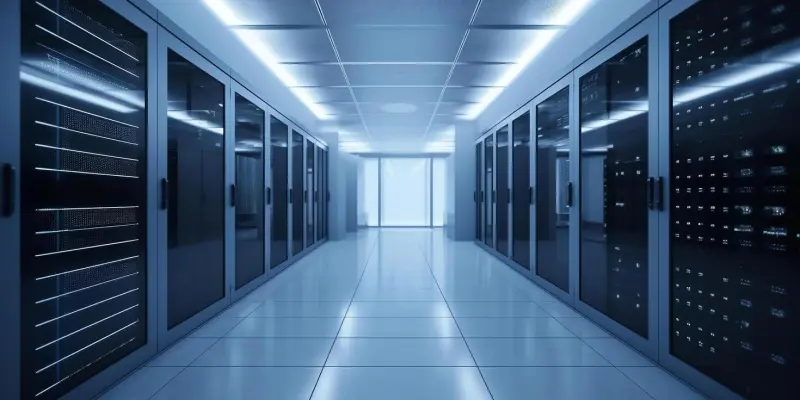
In the rapidly evolving world of technology, data centers serve as the backbone of digital commerce, a role that is increasingly becoming more significant. The last few years have seen an exceptional surge in the demand for these data repositories, fueled by technological advancements like artificial intelligence and the strategic tax incentives employed by state and local governments. This development isn’t without its challenges and intricacies, highlighting a symbiotic relationship between growth in AI technologies and the role of tax incentives in encouraging such technological progress. Beyond just nurturing growth, these incentives play a critical role in keeping the United States competitive on a global scale, given its data center landscape’s strategic importance. As both policymakers and technologists grapple with these elements, understanding the dynamic interaction between AI-driven demands and tax incentives illuminates the intricate pathways shaping the future of data centers.
Strategic Role of Data Centers in the Digital Economy
The Resurgence of Data Center Importance
Data centers play a pivotal role in supporting the modern economy, serving as crucial infrastructure that powers digital commerce and technological innovation. Their importance has increased due to unprecedented digital transformation involving businesses migrating to cloud-based architectures and increasing reliance on data-driven decision-making processes. This demand for data processing and storage has necessitated the development of more efficient and technologically advanced data centers. However, this shift also brings challenges requiring substantial investments, making the economic feasibility of new data center projects a matter of strategic interest. This scenario leads to governments actively courting these enterprises through tax incentives. These incentives vary across states, often including property tax abatements, sales tax exemptions, and income tax credits. Such economic policies promote the development of new facilities while encouraging industry innovation and job creation.
Government Strategies and Fiscal Policies
From a governmental perspective, the presence of data centers is more than just a matter of technological advancement—it is a foothold for economic growth and employment. To capitalize on these opportunities, various state and local governments have tailored their tax incentive strategies to attract data centers, offering packages that bolster economic development. These incentives are typically designed based on factors like the scale of investment, the number of created jobs, and the commitment to using renewable energy resources. They reflect a strategic focus to align with contemporary technological advancements like artificial intelligence, recognizing the potential for AI-driven data processing to necessitate further facility expansions. The effectiveness of these incentives sometimes leads to competition among states to provide more attractive terms, spearheading not only national but global competitiveness.
The Impacts of AI on Data Center Infrastructure
AI’s Demand on Infrastructure
The advent of artificial intelligence technologies, especially generative AI, exerts unprecedented demands on data center infrastructure. AI applications require immense computational resources, driving up the demand for increased processing power and storage capabilities. This shift presents data center operators with a two-fold challenge: the need for scaling existing infrastructure and optimizing energy consumption. AI models often require power-intensive computations, necessitating an upgrade of power supply systems and rethinking cooling mechanisms. These technical demands place a significant burden on local infrastructures, compelling governments and businesses to invest heavily in upgrading power grids to support the seamless functioning of these data centers. A growing focus on sustainability and environmental considerations further complicates this landscape, prompting discussions on integrating renewable energy resources into data center operations.
Balancing Innovation and Environmental Concerns
While AI technology holds enormous potential for transformation across various sectors, its impact on data center operations invites critical evaluation of energy and environmental concerns. The power requirements of modern data centers, especially those involved in AI applications, contribute to increased carbon emissions if not managed effectively. Addressing these challenges necessitates significant investments in environmentally friendly technologies and systems, including enhanced cooling solutions and renewable energy options. Moreover, this urgency for sustainable solutions is driving innovation in data center designs, with firms actively seeking ways to minimize their carbon footprint. As cities consider these developments, the discussion often pivots to not just enhancing technological capabilities but also aligning with best practices in energy management and environmental stewardship.
Unique State-Level Incentives and Their Implications
Diverse State Approaches to Incentivization
The economic benefits associated with data centers prompt varied responses from states, each tailoring their incentive programs based on local constraints and opportunities. States like Virginia have thrived by offering substantial tax breaks in exchange for significant investments, resulting in boosted local economies and increased tax revenues. Leveraging their existing infrastructure and strategic locations, such states manage to attract considerable data center investments. On the other hand, states like Georgia, grappling with energy availability concerns, have sometimes considered placing restrictions or moratoriums to manage these challenges. This diverse range of approaches reflects the nuanced balancing act that states must perform—attracting data center developments while managing resource constraints and potential environmental impacts.
Economic and Employment Impacts
Data center developments have proven compelling for state authorities due to their potential to drive economic growth and job creation. The establishment of new facilities often brings with it significant direct and indirect employment opportunities. These centers contribute not only through jobs within the facilities but also by invigorating local economies via supply chain and service industry growth. States that recognize these benefits may offer long-term tax abatements corresponding to the investment levels and job creation metrics of data center projects. For instance, Alabama and Indiana provide substantial abatements, leveraging data center installations as a means to fortify their local economies and improve employment rates. These examples underscore the multifaceted role of data centers—not only as technological hubs but as catalysts for wider economic development.
Overarching Trends and Future Directions
Reconciling Infrastructure with Technological Demands
Projections for the future of data centers underline an urgent need to reconcile technological demands, particularly those driven by AI developments, with resource availability. States and businesses must holistically address investment in critical infrastructure to support the burgeoning needs of data centers effectively. Power supply is often the focal point in discussions since inadequacy can quite literally stall development even with enticing fiscal benefits in place. More states are likely to assess their renewable energy capabilities, examining how these can be enhanced to cater to power-hungry AI applications while aligning with broader sustainability goals. On a broader scale, utility providers, government bodies, and technology companies must collaborate closely to forge infrastructure that can adapt to the rapidly changing technological environment.
Forward-Thinking Policies for Sustainable Growth
As the data center landscape evolves, stakeholders must employ forward-thinking strategies to ensure that technological innovation is matched by sustainable growth practices. This involves not just adapting existing tax incentive policies to support emerging technologies like AI but also considering environmental and social impacts. Integrating sustainability into the core strategic objectives, states and technology firms can jointly advance toward responsible data center development that leverages cutting-edge capabilities without compromising ecological or societal norms. Encouraged by successful models, more regions may adopt clean energy commitments for data centers as prerequisites for incentive eligibility, ensuring that growth is not only economically beneficial but also environmentally considerate.
Strategic Insights and Future Prospects
Over the past few years, the convergence of AI technology and strategic tax incentives played a defining role in shaping the data center landscape, marking a trend that is poised to continue. While tax incentives remain an undeniable driver for data center development, the challenges posed by AI-driven innovations underscore the necessity for an integrated approach combining fiscal, infrastructural, and environmental considerations. The ability of state governments and industry players to synergize efforts in planning, investment, and sustainable policy-making will be decisive in detailing the landscape’s trajectory. Building on past experiences and acknowledging the shifting dynamics of technology and resource management, stakeholders in the industry have an opportunity to redefine strategic pathways. This promise not only propels technical advancement but fortifies the economic potential of data centers while maintaining a commitment to sustainable practices that are key to enduring success.