

The High Cost of Innovation and the Global Price Divide
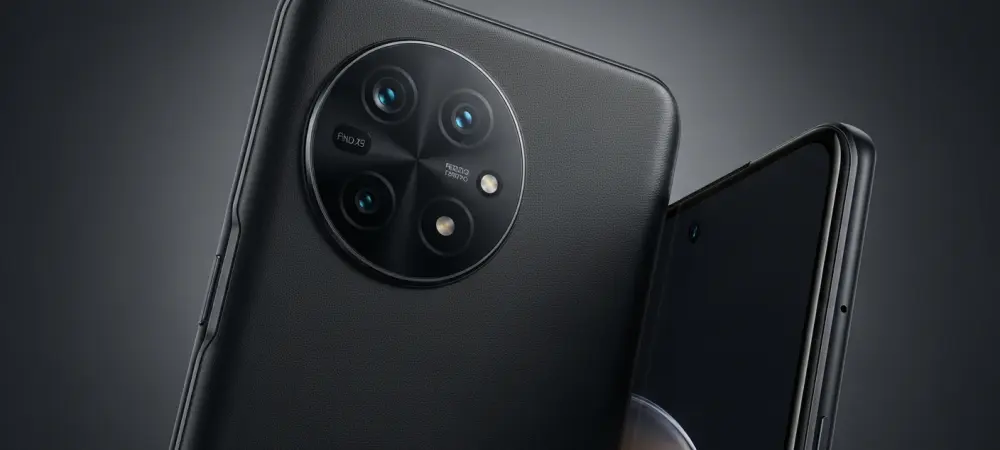
The decision to spend nearly seventeen hundred euros on a smartphone often hinges on whether the brand provides a truly unparalleled experience or if the consumer is simply subsidizing a localized marketing department. The Oppo Find X9 Ultra has emerged as a titan in the smartphone world, primarily due to its sophisticated Hasselblad camera system and cutting-edge internals. However, for consumers in the West, the excitement is often tempered by a staggering European retail price of €1,699. This creates a significant financial dilemmis the official local version worth the premium, or should savvy tech enthusiasts look toward international markets?
This article explores the growing trend of importing flagship hardware to bypass regional price hikes. By analyzing the 35% price discrepancy, the goal is to uncover whether the substantial savings justify the logistical and technical trade-offs involved in bringing a Chinese or Global model into a different economic territory. As mobile technology peaks, the willingness of consumers to pay a “locality tax” is reaching a breaking point, forcing a re-evaluation of how we acquire premium electronics.
Decoding the Evolution of Regional Smartphone Pricing
The disparity in smartphone pricing is not a new phenomenon, but it has become more pronounced as brands like Oppo push into the ultra-premium tier. Historically, manufacturers have tiered their pricing based on local taxes, import duties, and the cost of maintaining a physical retail and support infrastructure within the European Union. In the past, the “China ROM” versions were often avoided due to missing frequency bands or a lack of Google services. However, as global supply chains have matured and hardware compatibility has improved, the “Grey Market” has transformed from a niche hobbyist playground into a viable procurement strategy for the mainstream enthusiast.
Understanding this shift is essential, as it explains why a device can be sold for nearly €600 less in its home market than in a Berlin storefront. Beginning in 2026, the movement toward hardware parity has accelerated, meaning the physical components inside a device sold in Shenzhen are almost identical to those sold in Paris. This convergence makes the massive markup in Western markets feel less like a necessity and more like a regional premium for brand positioning and localized warranty services.
The Economic Reality of the Import Market
Navigating the Massive Price Gap Between Regions
The most compelling argument for importing the Oppo Find X9 Ultra is the sheer volume of capital saved. While the official EU model demands €1,699, reputable importers offer the China ROM variant for as low as €1,097. Even when opting for the high-end 16GB RAM and 1TB storage configuration—a tier not even available in the European market—the cost remains significantly lower than the base EU model. This financial delta allows buyers to not only keep hundreds of euros in their pockets but also to invest in the optional Hasselblad Photography Kit. Such a massive price gap suggests that regional pricing strategies are increasingly detached from the actual manufacturing costs. For an enthusiast, the prospect of owning a 1TB powerhouse for several hundred euros less than a 512GB local unit is a powerful motivator. This economic reality is shifting the power dynamic back toward the consumer, who can now leverage global digital storefronts to find the most efficient path to high-end hardware.
Hardware Exclusives and the Appeal of Variety
Beyond the bank account, importing offers access to hardware configurations that are simply non-existent in Western retail channels. For the Oppo Find X9 Ultra, this includes the exclusive white colorway and the massive 1TB storage option. For power users and mobile photographers who find the standard 512GB limit of the European version restrictive, the import route is the only way to obtain the maximum potential of the device.
This section of the market caters to those who view their smartphone as a primary professional tool and are unwilling to compromise on aesthetic or technical specifications dictated by regional marketing teams. The availability of the specialized Hasselblad camera grip and tele-extender through import channels further enhances the device’s appeal as a dedicated imaging tool. By choosing the import route, users bypass the curated, often limited selections offered by local distributors.
Understanding the Technical and Software Trade-offs
Despite the financial allure, importing a device built for the Chinese market introduces specific “China ROM” complexities. While the hardware is largely compatible—supporting essential LTE Band 20 and European 5G bands—there are notable omissions, such as the lack of eSIM support. On the software side, while English and German language settings are standard and Google Play can be side-loaded, certain integrations remain hit-or-miss.
Users often report issues with Wear OS smartwatch synchronization and the absence of Google Quick Share. These hurdles require a certain level of technical literacy to overcome, making the “out-of-the-box” experience slightly more fragmented than the seamless setup provided by a local EU unit. While these barriers are shrinking, they remain a significant consideration for anyone who relies on a perfectly integrated ecosystem of wearable devices and regional software services.
The Shifting Landscape of Global Tech Logistics
The future of smartphone procurement is increasingly leaning toward a borderless model as logistics networks become more efficient. A shift is occurring where regional software locks are becoming rarer, and hardware “world phones” are becoming the standard. In the coming years, expect third-party retailers to offer more comprehensive “Global ROM” flashing services, further lowering the barrier to entry for average consumers.
Additionally, as regulatory pressure in the EU continues to challenge the closed ecosystems of tech giants, the friction between using an imported device and local services will likely decrease. This evolution will make the 35% savings even more attractive to the general public, as the technical “penalty” for importing diminishes. The democratization of high-end tech is no longer just about the device itself, but about the ease with which that device can traverse borders without losing functionality.
Strategic Recommendations for Prospective Buyers
For those weighing the decision to import, the choice should be governed by technical comfort levels and long-term needs. If a mobile photography enthusiast wants the 1TB storage and the Hasselblad Kit at the lowest possible price, importing the China ROM version is the most logical path. However, accounting for the one-year limited warranty and the lack of eSIM is mandatory. Conversely, if a user relies on a seamless Google ecosystem and requires an official two-year EU warranty, paying the “European premium” remains a necessary investment. It is vital to verify that a chosen importer has a solid reputation for shipping and handling customs duties to avoid unexpected fees. Balancing the immediate financial gain against potential long-term service needs ensures that the purchase remains a value-driven decision rather than a risky gamble.
Final Verdict on the Value of the Oppo Find X9 Ultra
The Oppo Find X9 Ultra proved to be an undeniable masterpiece of mobile engineering that challenged the traditional boundaries of regional pricing. The 35% savings found through importing represented a significant opportunity for enthusiasts to own a world-class camera phone without the inflated costs of regional distribution. While the technical caveats regarding software and warranties existed, they were increasingly manageable for the modern user. Ultimately, the decision to import acted as a vote for market transparency. It reflected a refusal to pay the locality tax, provided the buyer prepared for the unique challenges of the global tech trade and embraced the evolving landscape of international commerce.