

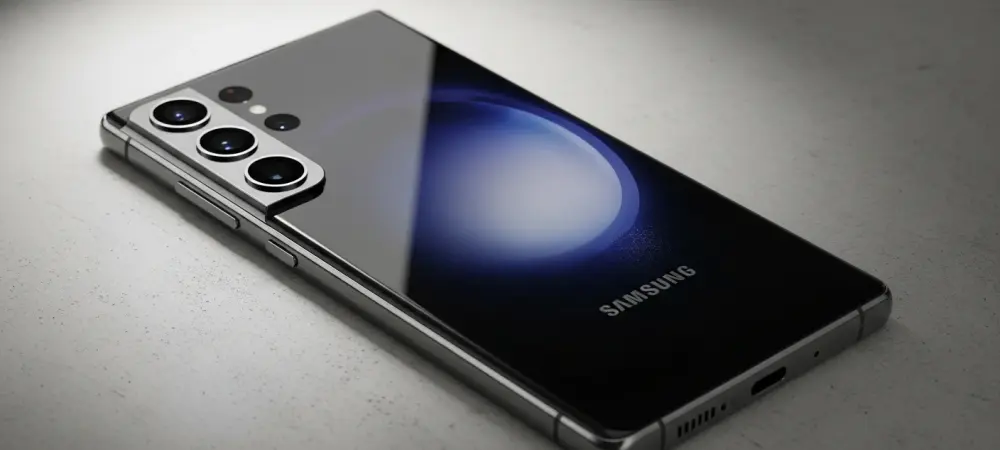
The Samsung Galaxy S26 Ultra marks a definitive shift from the pursuit of raw megapixel counts toward a sophisticated ecosystem focused on data integrity and ergonomic refinement. It represents a significant advancement in the premium smartphone industry, moving away from radical hardware overhauls to provide a more mature user experience. This review explores the evolution of the technology and its impact on the competitive flagship landscape.
The Evolution of the Ultra Series: Context and Design Philosophy
The Ultra series has moved beyond its experimental phase into a period of mature refinement. The chassis is now slimmer, discarding the bulkiness of previous iterations for a more streamlined, hand-friendly profile that maintains comfortable ergonomics. This design philosophy emphasizes that high-end performance should not come at the cost of physical comfort or aesthetic subtlety.
As a benchmark for Android productivity, the device sets a new standard for how hardware integrates with security. It serves as a central hub for professionals who require a reliable tool that balances power with a sleek, professional appearance.
Core Technical Specifications and Performance Metrics
The Snapdragon 8 Elite Gen 5 and Processing Power
The Snapdragon 8 Elite Gen 5 for Galaxy provides top-tier performance for both intensive gaming and daily productivity. This custom-tuned silicon manages intensive workflows with precision, focusing on how the architecture handles on-device AI and background security protocols without excessive battery drain.
Advanced Display Technology and the Privacy Shield
The introduction of a specialized Privacy Display is a major technical feat. By narrowing viewing angles on demand, it prevents visual eavesdropping in public settings. However, this shielding performance results in a slight drop in peak brightness and color accuracy, suggesting it is best utilized selectively.
Camera System and Optical Versatility
The camera system continues a tradition of excellence, offering a versatile range and high-quality zoom capabilities. While hardware changes are incremental, the software processing has reached a level where computational photography produces exceptional texture and depth, maintaining Samsung’s imaging standard.
Innovation Trends: Security and Sustainable Connectivity
The industry is moving toward on-device privacy features and the integration of WiFi 7. Shifts in consumer behavior are influencing the device’s seven-year software trajectory, ensuring the hardware remains relevant as a long-term investment. This sustainable approach reflects a broader trend of longevity in the mobile market.
Real-World Applications: From Professional Productivity to Creative Media
In corporate environments, the S Pen and Ultra Wideband technology facilitate seamless digital signatures and secure asset tracking. Mobile photographers benefit from the enhanced sensor range, which allows for cinematic capture in challenging light, making it a favorite for creative professionals.
Technical Limitations and Market Challenges
Despite the power, thermal throttling occurs during sustained heavy workloads. Furthermore, the camera module causes a noticeable wobble on flat surfaces, which can be an ergonomic irritation. Charging speeds, while improved to 60W, still face regulatory hurdles that complicate global standards.
The Future of Samsung’s Mobile Ecosystem
Looking ahead, the focus will likely shift to solid-state battery chemistry and even more efficient organic LED materials. These developments will likely lead to deeper AI integration and a more decentralized mobile ecosystem. Such breakthroughs could redefine how users interact with their devices over the next several years.
Final Assessment: A Refined Long-Term Investment
The S26 Ultra proved that refinement was often more valuable than revolution in the high-end sector. It successfully established a new standard for mobile security while maintaining the performance required for modern creative demands. This balance of privacy and power positioned the device as a sophisticated tool for the discerning user. Future developments in battery technology and AI will likely build upon this solid foundation, ensuring the Ultra series remains at the forefront of the industry.