

Introduction
Imagine a quiet suburban neighborhood suddenly facing the prospect of a massive industrial complex rising just half a mile from an elementary school, potentially disrupting the safety and peace of its residents, as happened in Varina, Virginia. This scenario, involving a proposed data center campus by Wagner Urban Logistics LLC, sparked a heated debate between economic progress and community well-being, highlighting the growing tension between technological advancement and local concerns as data centers expand into regions not traditionally associated with such developments.
This FAQ article aims to address critical questions surrounding this controversy, exploring the balance between industrial growth and residential priorities. It delves into the specifics of the Varina case, broader implications for similar projects, and the perspectives of both developers and community members. Readers can expect to gain insights into the challenges of data center expansion and the factors influencing decisions on such proposals.
The scope of this content covers the key issues raised by stakeholders, from environmental and health risks to economic benefits and zoning compliance. By examining these facets, the article seeks to provide clarity on a complex topic that impacts many communities facing similar dilemmas. Expect a detailed breakdown of concerns and arguments, equipping readers with a comprehensive understanding of this pressing debate.
Key Questions or Key Topics Section
What Is the Varina Data Center Proposal About?
The proposal by Wagner Urban Logistics LLC involves developing a 195-acre parcel along Darbytown Road near Laburnum Avenue in Varina, Virginia, into a data center campus with eight buildings. This location, close to residential areas and George F. Baker Elementary School, has become a focal point of contention due to its proximity to vulnerable populations. The plan included a 500-foot buffer from residential zones and tree planting to reduce visual impact, aiming to blend industrial infrastructure with the surrounding environment.
This project is significant because it represents a clash between industrial ambitions and community values in Henrico County, a region surrounding Richmond and outside the typical data center hub of Northern Virginia. While the developer highlighted compliance with zoning laws and alignment with nearby industrial developments, the proposal faced scrutiny over its potential effects on local life. Understanding this case sheds light on how such projects are evaluated beyond mere economic metrics.
The importance of this proposal lies in its reflection of a broader trend where data centers are increasingly considered for regions with available land and infrastructure, yet often at the cost of local opposition. The decision-making process, involving county planning staff and the Henrico Planning Commission, illustrates the layers of governance that shape outcomes for such initiatives. This specific case, with its recommendation for denial on September 11, underscores the weight of public sentiment in influencing policy.
Why Did the Community Oppose the Data Center Project?
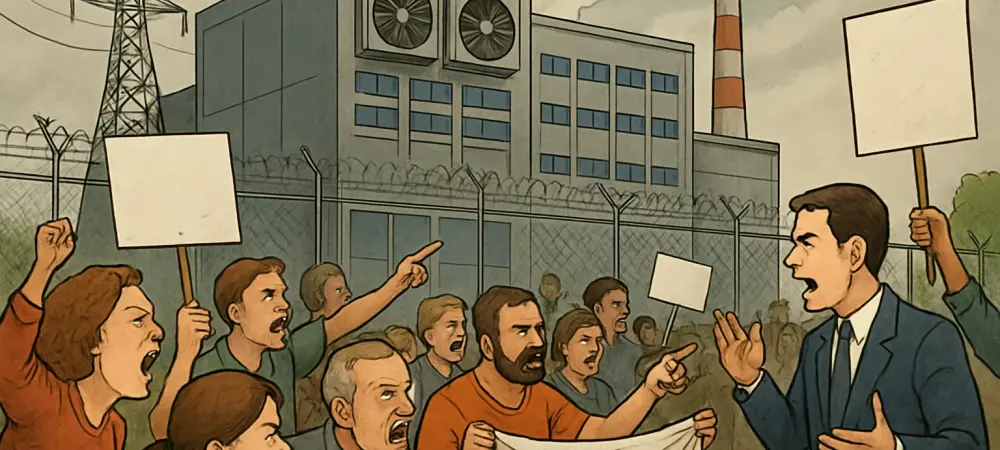
Community opposition in Varina emerged from deep-seated concerns about the impact on children, particularly those at George F. Baker Elementary School, located just half a mile from the proposed site. Residents voiced fears about health risks, environmental degradation, and the strain on local grid stability that could accompany such a large-scale industrial presence. These worries were not merely speculative but rooted in the tangible proximity of the project to family-centric spaces.
At a public meeting, 14 residents spoke against the proposal, with one poignant plea urging decision-makers to prioritize “children over profit.” This emotional appeal captured the essence of the opposition, highlighting a preference for safeguarding the well-being of younger generations over potential economic gains. The strength of this resistance played a pivotal role in swaying the Henrico Planning Commission to recommend denial of the conditional use permit.
Beyond immediate health and safety issues, the opposition also reflected broader anxieties about the long-term transformation of the area. Many feared that approving such a project could set a precedent for further industrial encroachment, eroding the residential character of Varina. This perspective emphasizes a protective stance toward maintaining community identity against the backdrop of rapid technological expansion.
What Arguments Did Wagner Urban Logistics Present?
Wagner Urban Logistics LLC positioned the data center campus as a beneficial addition to Henrico County, emphasizing adherence to zoning ordinances and compatibility with existing industrial developments nearby. The company pointed to the presence of electrical infrastructure as a practical advantage, facilitating the project’s integration into the local landscape without necessitating extensive new construction. This argument aimed to demonstrate feasibility and minimal disruption from a regulatory standpoint.
Additionally, the developer underscored the economic upside, projecting the creation of 400 full-time jobs as a direct benefit to the region. This figure was presented as a counterbalance to community concerns, suggesting that the project could bolster local employment and contribute to economic vitality. Such promises often appeal to local governments seeking growth and revenue opportunities in competitive markets.
The proposal also included mitigating measures, such as the 500-foot buffer and tree planting along Darbytown Road, to address aesthetic and spatial concerns. These steps were framed as efforts to harmonize industrial needs with residential sensibilities, showing an awareness of potential backlash. However, despite these assurances, the community’s focus remained on risks rather than rewards, highlighting a disconnect between developer intentions and public reception.
How Does This Case Reflect Broader Trends in Henrico County?
Henrico County, encircling Richmond in central Virginia, is increasingly becoming a target for data center development, despite not being part of the dominant Northern Virginia hub. The county already houses significant facilities like those at White Oak Technology Park, operated by Meta and QTS, with Iron Mountain planning a 200MW campus in the same area. This trend indicates a strategic shift toward leveraging available land and infrastructure in less saturated regions.
Last May, the Board of Supervisors approved rezoning 622 acres for data centers and manufacturing, signaling a policy inclination toward industrial tech growth. Yet, the Varina case reveals a recurring challenge: community pushback when such projects are perceived to threaten quality of life, safety, or environmental health. This tension illustrates the delicate balance local authorities must strike between fostering economic progress and preserving residential priorities.
The broader implication of these developments is the ongoing negotiation between technological imperatives and local values. As more data centers are proposed in areas like Henrico, the outcomes of cases like Varina could shape future zoning decisions and public engagement strategies. This dynamic suggests that community input will remain a critical factor in determining the trajectory of industrial expansion in similar regions.
What Are the Potential Impacts of Data Centers on Communities?
Data centers, while crucial for digital infrastructure, can pose significant challenges to nearby communities, particularly in terms of environmental and health impacts. The energy demands of these facilities often strain local power grids, raising concerns about stability and potential outages. Additionally, the noise, heat, and water usage associated with operations can disrupt ecosystems and affect residents’ daily lives.
In the Varina context, the proximity to an elementary school amplified fears about health risks to children, a concern that resonates in many areas facing similar proposals. Potential pollutants or electromagnetic fields, though often within regulatory limits, remain points of contention for parents and educators worried about long-term exposure. These issues highlight the need for thorough impact assessments before project approvals.
Beyond physical effects, data centers can alter the social fabric of a community by shifting land use patterns toward industrial purposes. This transformation may lead to reduced green spaces or increased traffic, further impacting local lifestyles. Balancing these drawbacks against economic benefits requires transparent dialogue between developers, policymakers, and residents to ensure equitable outcomes.
Summary or Recap
This article addresses pivotal questions surrounding the debate over data center development in Varina, Virginia, focusing on the clash between economic incentives and community safety. Key insights include the strong local opposition driven by concerns for children’s health and environmental risks, contrasted with Wagner Urban Logistics’ arguments for job creation and zoning compliance. The recommendation for denial by the Henrico Planning Commission underscores the influence of public sentiment in such decisions.
The broader trends in Henrico County reveal a growing interest in data center expansion, tempered by recurring community resistance. Impacts on local infrastructure, health, and quality of life emerge as central themes that shape these discussions. These takeaways highlight the complexity of integrating industrial growth into residential areas without compromising core community values.
For those seeking deeper exploration, resources on data center environmental impacts or local zoning policies in regions like Henrico County can provide additional context. Engaging with county planning documents or community forums may also offer valuable perspectives on navigating similar challenges. This summary encapsulates the critical balance at stake and the multifaceted considerations involved.
Conclusion or Final Thoughts
Looking back, the Varina data center controversy highlighted a profound struggle to reconcile technological progress with the sanctity of community spaces. The passionate resistance from residents and the subsequent recommendation for denial by the Planning Commission served as a reminder that local voices could significantly alter industrial trajectories. This case became a benchmark for how public concerns could challenge even well-planned proposals.
Moving forward, stakeholders might consider adopting more robust community engagement models before advancing such projects, ensuring that health and environmental assessments are prioritized and transparently communicated. Developers could explore alternative sites farther from sensitive areas like schools, while local governments might establish stricter guidelines to protect residential zones. These steps could mitigate conflicts and foster more harmonious development.
Reflecting on this, it’s worth contemplating how such dilemmas resonate with individual communities or regions facing industrial proposals. Considering the potential impacts on personal surroundings or advocating for balanced policies could be a meaningful way to engage with this ongoing issue. The lessons from Varina offer a starting point for shaping a future where progress and protection walk hand in hand.